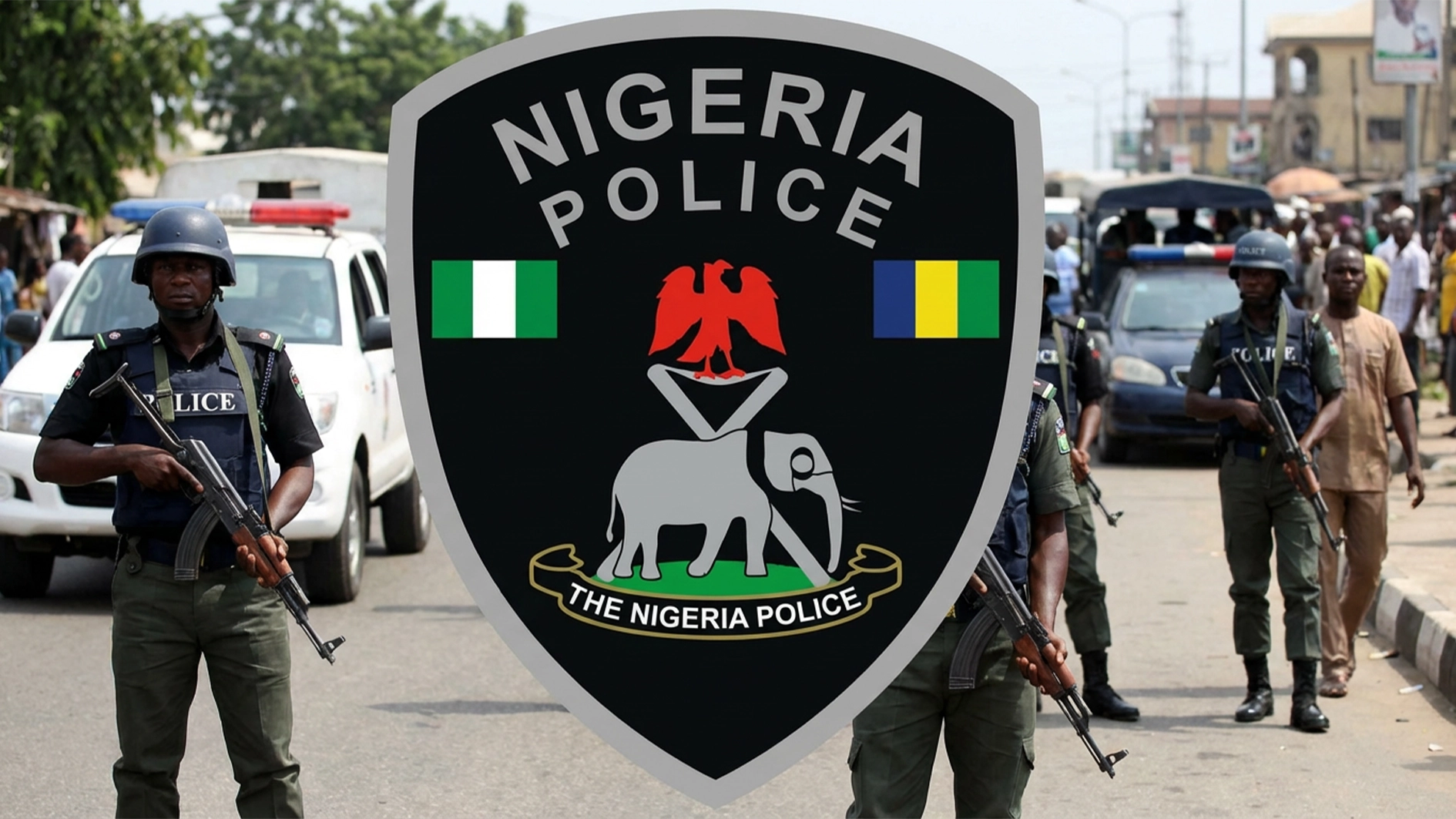
The state police bill is awaiting President Tinubu’s signature. All 36 State Houses of Assembly have approved the Constitution (Sixth Alteration) Bill, 2026, and the President received it on November 19, 2026. He will review it with the Attorney-General before a formal signing ceremony. The National Policing Bill, which sets out how state police will work, is with the Federal Ministry of Justice for validation. This page tracks every stage and is updated as the process moves.
Where the state police bill stands
| Stage | Status | Details | Source |
|---|---|---|---|
| House of Representatives | Passed | Approved the executive bill on July 23, 2026, after an earlier 289–1 vote on its own version on June 11 | Read |
| Senate | Passed | Approved on June 24, 2026, with more than a two-thirds majority | Read |
| State Houses of Assembly (24 of 36 needed) | 36 of 36 approved | Bill sent to states on September 16, 2026; all 36 approvals confirmed November 16 | Read |
| Transmission to the President | Done | Received by Tinubu on November 19, 2026 | Read |
| Presidential assent | Pending | Review with the Attorney-General, then a formal signing ceremony; no date announced | Read |
| National Policing Bill | Being validated | Draft with the Federal Ministry of Justice; the Senate wants it sent to the National Assembly | Read |
| State police laws (each state) | Not started | Each state must pass its own law to set up and run its police service | Read |
What the state police bill does
- Creates a dual policing system: a Federal Police Service working nationally, and State Police Services set up by individual states.
- No state police service can begin until it is set up by a state law and certified as meeting minimum national standards.
- Governors would appoint State Commissioners of Police on the advice of the Nigeria Police Council, subject to confirmation by the State House of Assembly.
- States would establish, fund and oversee their own police services, with State Police Service Commissions as a safeguard.
Read more: What the state police bill does and what comes next.
When state police could start
No start date has been set. A steering committee set up by the Inspector-General of Police recommended a four-phase, 60-month rollout:

| Phase | Months | What happens |
|---|---|---|
| 1. Legal | 1–12 | Constitutional amendment, a national State Police Act and state police laws in all 36 states and the FCT |
| 2. Transfer | 13–24 | Voluntary transfer programme opens and the first officers move to states |
| 3. Operations | 25–42 | State police take over local policing; the federal police pull back to national duties |
| 4. Consolidation | 43–60 | The Federal Police Service is fully reorganised |
This is the committee’s recommendation, not a fixed government timetable. Read the roadmap.
State police timeline
- 19 Nov 2026: President Tinubu received the Constitution (Sixth Alteration) Bill for assent; he will review it with the Attorney-General before a formal signing ceremony. The Senate asked him to send the National Policing Bill to the National Assembly. Read
- 16 Nov 2026: The Clerk to the National Assembly, Kamoru Ogunlana, confirmed that all 36 State Houses of Assembly had approved the amendment, well above the 24 required. Read
- 15 Nov 2026: Senate Leader Opeyemi Bamidele said 32 states had approved and gave the remaining four until November 17 to submit their reports. Read
- 5 Nov 2026: The Abia State Government said its House of Assembly had passed the bill, dismissing reports to the contrary. Read
- 4 Nov 2026: The National Assembly confirmed 28 state assemblies had approved, clearing the 24-state threshold, and began preparing the bill for the President. Read
- 20 Oct 2026: The Delta State House of Assembly approved the amendment 23–0. Read
- 4 Oct 2026: Only four states (Edo, Osun, Oyo and Rivers) had approved, 20 short of the 24 required. The bill was sent to all 36 assemblies on September 16. Read
- 2 Oct 2026: The Kano State House of Assembly began considering the amendment. Read
- 13 Aug 2026: Public submissions on the proposed National Policing Bill closed at 5pm. Read
- 14 Jul 2026: The House of Representatives withdrew its own version and took up the executive bill sent by President Tinubu. Read
- 7 Jul 2026: Tinubu inaugurated the Presidential Working Group on the National Policing Bill, chaired by his Chief of Staff, Femi Gbajabiamila. Read
- 24 Jun 2026: The Senate passed the state police constitutional amendment. Read
- 23 Jun 2026: Tinubu sent the State Police Constitution Alteration Bill to the Senate. Read
- 11 Jun 2026: The House of Representatives passed its state police amendment by 289 votes to 1. Read
- 24 Apr 2026: The police steering committee on state police recommended a four-phase, 60-month transition roadmap. Read
- 13 Mar 2026: The Delta State Government approved new police divisions across its 25 LGAs ahead of state policing. Read
- 4 Mar 2026: IGP Tunji Disu inaugurated an eight-member committee on state police, chaired by Prof. Olu Ogunsakin. Read
Related trackers
- Police recruitment shortlist updates
- 2027 presidential election tracker
- Akpabio news today
- All Trumpet live trackers
State police in Nigeria: frequently asked questions
Has Tinubu signed the state police bill?
Not yet. President Tinubu received the Constitution (Sixth Alteration) Bill on November 19, 2026. Femi Gbajabiamila said the President will review it with the Attorney-General of the Federation before signing it at a formal ceremony.
How many states approved the state police bill?
All 36 State Houses of Assembly approved the amendment, as confirmed by the Clerk to the National Assembly on November 16, 2026. Section 9(2) of the 1999 Constitution requires at least 24.
When will state police start in Nigeria?
No start date has been fixed. After assent, the National Policing Bill must still be passed, and each state must pass its own law setting up its police service. A police steering committee recommended a 60-month, four-phase rollout.
What is the National Policing Bill?
It is the law that will make state police work in practice, covering minimum policing standards, state readiness certification, federal-state coordination, accountability, funding and human rights safeguards. The draft has been sent to the Federal Ministry of Justice for validation.
Will the Nigeria Police Force be scrapped?
No. The amendment creates a dual system: a Federal Police Service operating nationally, alongside State Police Services set up by individual states.
Official updates are published by the Federal Ministry of Information. For state police updates, follow us on X.
The Trumpet updates this page as the state police bill moves. The date at the top shows the last change.