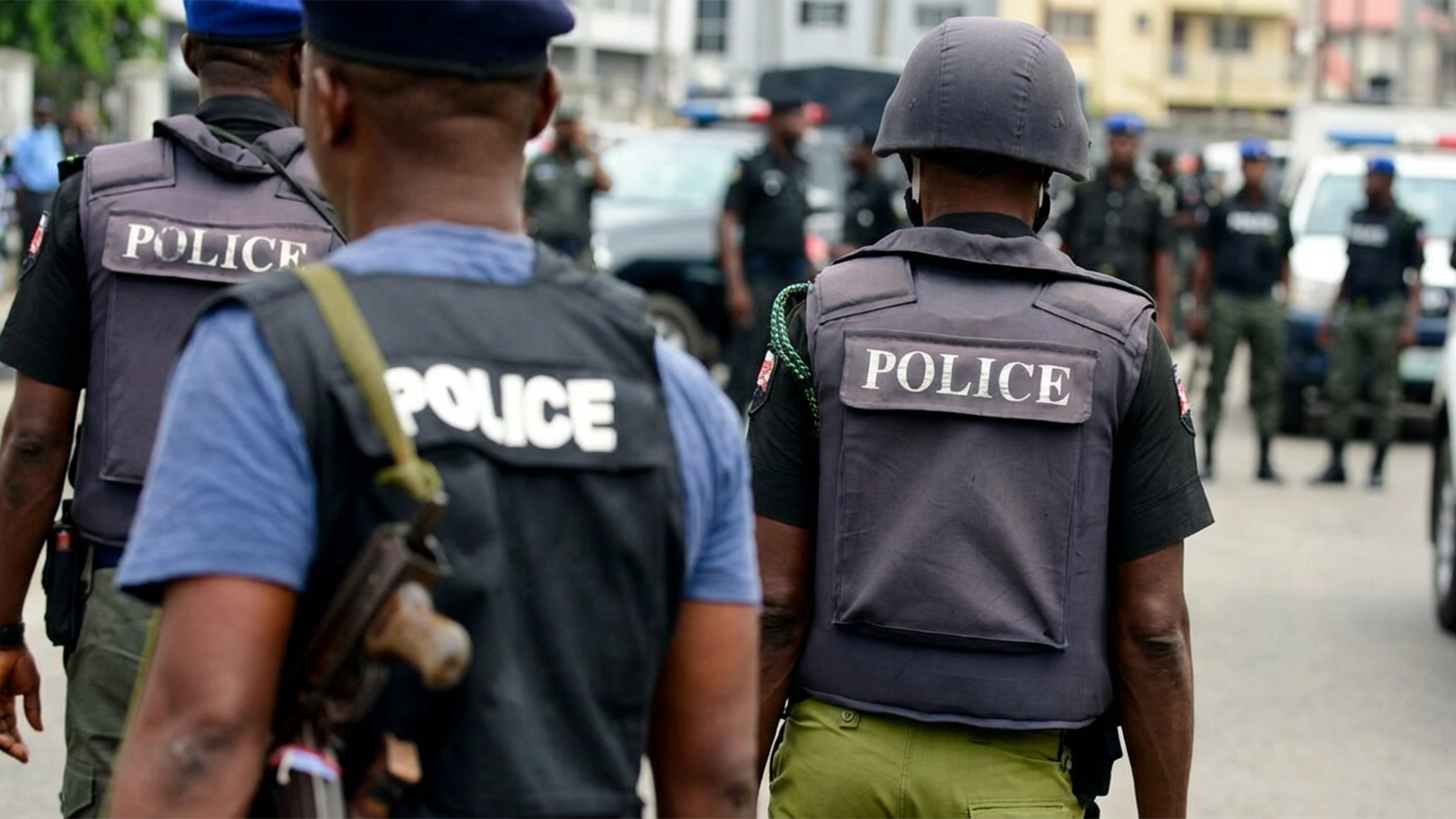
Nigeria has moved closer to establishing state police after all 36 State Houses of Assembly approved the proposed constitutional amendment to create State Police Services, clearing the required legislative threshold for the bill to be transmitted to President Bola Tinubu for assent.
Related: State Police Bill: Tinubu Set to Receive Constitutional Amendment as 28 States Approve Proposal

The Clerk to the National Assembly, Kamoru Ogunlana, announced the development on Monday, November 16, 2026, after his office completed the verification of approvals from the state legislatures. The unanimous endorsement marks a major step in the country’s proposed shift from its centralised policing structure to a dual federal and state policing system.
Key Highlights
- All 36 State Houses of Assembly have approved the proposed constitutional amendment for state police.
- The Clerk to the National Assembly, Kamoru Ogunlana, confirmed the completion of the verification process.
- The amendment requires approval from at least 24 state assemblies under Section 9(2) of the 1999 Constitution.
- The proposed framework provides for Federal Police and State Police Services.
- State governments would be responsible for establishing, funding and overseeing their respective police services.
- President Bola Tinubu is expected to receive the bill for assent.
- Each state will still need to pass its own law establishing and regulating its police service.
What the State Police Constitutional Amendment Means
The proposed legislation is formally titled A Bill for an Act to Alter the Constitution of the Federal Republic of Nigeria, 1999 to Provide for the Establishment of State Police Services and for Related Matters. It is part of the Constitution (Sixth Alteration) Bill, 2026.
The amendment seeks to change the constitutional framework to allow individual states to establish their own police services.
Under Section 9(2) of the 1999 Constitution, an amendment of this nature requires approval from at least two-thirds of the State Houses of Assembly, representing 24 of the 36 states.
With all 36 assemblies reportedly approving the bill, the proposal has received the highest possible level of state legislative endorsement.
The Clerk’s announcement followed a rapid increase in the number of approvals. On November 3, 28 states had reportedly approved the bill. Senate Leader Opeyemi Bamidele said on November 15 that the number had risen to 32 before the final verification confirmed unanimous approval.
How the Proposed State Police System Would Work
The proposed amendment provides for a dual policing arrangement involving the Federal Police Service and State Police Services.
Based on the provisions passed by the National Assembly, the proposed structure would operate in the following ways.
1. Federal and State Police Would Have Separate Responsibilities
The Federal Police Service would retain responsibility for federal offences, inter-state crimes, national security and coordination of policing activities across the country.
State Police Services would focus on local law enforcement, public order, community safety and investigations involving offences within their respective jurisdictions.
The arrangement is intended to bring policing closer to communities while preserving a federal structure for crimes that cross state boundaries.
2. Governors Would Have Greater Oversight Powers
Each state would have a State Police Service Council chaired by the governor to oversee policy and administration.
The proposed framework also provides for the appointment of state commissioners or commanders of police through the prescribed recommendation and approval arrangements.
This would represent a significant departure from the current structure, under which the Inspector-General of Police and the federal police hierarchy control the deployment of commissioners to state commands.
However, the extent of a governor’s authority would depend on the final constitutional provisions and the laws establishing each state police service.
3. State Governments Would Fund Their Police Services
The proposed amendment gives State Houses of Assembly the authority to legislate on the establishment, administration, funding and oversight of their police services.
One of the provisions states:
“A House of Assembly of a State may make laws for the establishment, administration, funding, and oversight of a State Police Service for that State.”
This means state governments would have to make budgetary provisions for recruitment, salaries, training, equipment, operational facilities and other requirements.
The funding responsibility could become a major challenge for states with limited revenue.
4. The Nigeria Police Council Would Have a Reworked Role
The proposed framework also provides for changes to the responsibilities of the Nigeria Police Council.
The council would oversee the Federal Police Service, advise on the appointment of the Inspector-General of Police, review national policing policies and promote cooperation between federal and state police authorities.
The arrangement is intended to support coordination and reduce disputes over jurisdiction.
5. Existing Security Outfits Would Not Automatically Become State Police
The proposed amendment does not provide for the automatic conversion of existing local security organisations into state police services.
States operating outfits such as Amotekun in the South-West, Ebube Agu in the South-East and Hisbah organisations in parts of Northern Nigeria would have to establish police services under the new constitutional and legislative framework.
This means the constitutional amendment would create the legal foundation, while individual states would still need to pass laws to establish and regulate their police organisations.
Why Nigeria Is Moving Towards State Police
The proposed reform comes amid persistent security challenges, including kidnapping, banditry, terrorism, farmer-herder conflicts and organised criminal activities.
Nigeria’s centralised police structure has faced criticism over its ability to respond effectively to security incidents across 36 states and 774 local government areas.
Governors have also complained that, although they are described as chief security officers of their states, they have limited direct authority over police commissioners, recruitment and operational priorities.
The concerns have encouraged several states to establish local security organisations to support conventional security agencies.
Examples include Amotekun, established in the South-West in January 2020, Ebube Agu in the South-East and civilian joint task forces in parts of the North-East.
Supporters of state police argue that a constitutionally regulated system would provide clearer authority, improved local intelligence and better accountability than informal security arrangements.
President Tinubu has also supported the reform. Following the National Assembly’s passage of the proposal in June, he inaugurated a Presidential Working Group on the National Policing Bill to develop an implementation framework.
Ogun State Governor Dapo Abiodun, speaking on behalf of the Nigeria Governors’ Forum, pledged the governors’ commitment to implementation.
Lagos State Governor Babajide Sanwo-Olu also described the Senate’s passage of the proposal as “epochal” and commended Tinubu for supporting changes to the country’s security structure.
Concerns Over Possible Abuse of State Police
Despite the unanimous approval, concerns remain over the possibility that governors could use state police to intimidate political opponents, suppress criticism or influence elections.
Opposition figures and human rights advocates have warned that political control of state police could create opportunities for abuse, particularly ahead of the 2027 general elections.
Nigeria’s experience with regional police forces during the First Republic remains a major part of the debate. Those forces were accused of being used as political instruments, and the system was abolished following the 1966 coups in favour of a centralised national police structure.
Supporters of the current proposal argue that safeguards have been included to prevent a return to those problems.
The proposed framework refers to oversight through the Police Council and State Police Service Commissions, as well as constitutional limits intended to regulate federal and state authority.
Senate Leader Bamidele has also said the proposal contains safeguards against the abuse of state police by governors.
However, the effectiveness of these provisions will depend on how they are implemented.
Important questions remain about who would investigate complaints against state police officers, how commissioners could be removed, whether citizens would have access to independent complaint mechanisms and what action federal authorities could take if a state police service were used to interfere with elections.
These issues will require clear answers in the laws and regulations that follow the constitutional amendment.
Read also:
- Senate Issues November 17 Deadline To 4 States To Submit Report On State Police
- State Police Bill: Tinubu Set to Receive Constitutional Amendment as 28 States Approve Proposal
- State Police Bill Stalls as Only Four States Approve Constitutional Amendment
- Speaker Abbas Admits Nigerians Facing Severe Economic Hardship, Calls for Improved Security and Governance
What Happens After All 36 States Approve State Police?
The unanimous approval has cleared the state legislative requirement, but several stages remain before state police services can become operational.
1. Transmission of the Bill to President Tinubu
The Clerk to the National Assembly is expected to transmit the verified bill to President Tinubu for assent.
Parliamentary officials had indicated that the transmission could take place on or before Friday, November 20, 2026.
2. Presidential Assent
If the President assents to the bill, the constitutional amendment will become law.
The amendment would provide the constitutional basis for states to establish their own police services.
3. Development of the National Policing Framework
The Presidential Working Group on the National Policing Bill is expected to develop the detailed legal and operational framework governing the relationship between federal and state police authorities.
The framework will need to address intelligence sharing, jurisdictional responsibilities, coordination, recruitment standards and operational procedures.
4. Passage of State Police Laws
Each State House of Assembly will have to pass legislation establishing and regulating its police service.
The state laws will need to address recruitment, funding, training, command structures, discipline, public complaints and oversight.
Some states, including Lagos, Ogun, Plateau, Kano, Zamfara, Taraba, Kebbi, Adamawa, Nasarawa and Kwara, have previously indicated readiness to support the reform.
Other states, including Borno and Sokoto, had expressed reservations during earlier debates about whether Nigeria was sufficiently prepared for state police.
The next phase will therefore test the willingness and financial capacity of individual states to implement the proposal.
Funding and Accountability Will Determine the Success of State Police
Establishing state police services will require substantial investment.
State governments will have to provide funds for recruitment, training institutions, police stations, vehicles, communication equipment, forensic facilities, salaries and operational support.
The financial capacity of states varies considerably. This could lead to differences in the quality and effectiveness of police services across the federation.
Accountability will be equally important. State police officers will need clear rules of conduct, independent complaint procedures and effective disciplinary mechanisms.
Without these safeguards, the reform could create new security and human rights challenges.
The proposed system will also require cooperation between federal and state police authorities to prevent jurisdictional disputes and ensure that criminals cannot exploit administrative boundaries.
Nigeria’s State Police Reform: A Historic Step, With More Work Ahead
The approval of the state police constitutional amendment by all 36 State Houses of Assembly represents a major development in Nigeria’s long-running debate over police reform.
It signals broad legislative support for allowing states to establish police services that respond more directly to local security needs.
However, the unanimous vote does not mean that state police services will begin operating immediately.
Presidential assent, national legislation, state laws, funding arrangements, recruitment, training and accountability structures must still follow.
Whether the reform improves public safety or creates opportunities for political interference will depend on the strength of the institutions responsible for implementing and supervising it.
For now, Nigeria has taken a significant step towards ending its exclusively centralised policing model. The real test will begin when the states move from constitutional approval to implementation.
For more political and security updates, follow us on X.