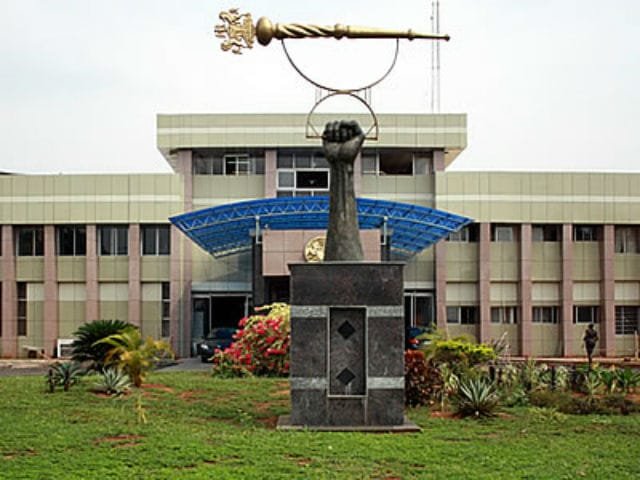
ASABA, Delta State — The Delta State House of Assembly has approved a proposed amendment to the 1999 Constitution to pave the way for the establishment of state police in Nigeria, with all 23 lawmakers present voting in favour of the proposal on Tuesday, October 20, 2026.
The approval recorded 23 votes in support, with no member voting against or abstaining, marking a significant step in the ongoing constitutional amendment process aimed at decentralising Nigeria’s policing system.

Key Highlights
- Delta Assembly approves the proposed state police constitutional amendment by 23 votes to zero.
- Speaker Emomotimi Guwor says state police could strengthen security and protect lives and property.
- The Assembly directs its Clerk to communicate the approval to the National Assembly.
- At least 24 of Nigeria’s 36 State Houses of Assembly must approve the relevant constitutional amendment.
- The Presidency says the proposed National Policing Bill is 90 per cent ready.
Delta Lawmakers Approve State Police Amendment
The approval was granted during plenary presided over by the Speaker of the Delta State House of Assembly, Rt. Hon. Emomotimi Guwor.
The House Leader led the debate, highlighting the potential benefits of decentralising Nigeria’s policing structure to enable security agencies to respond more effectively to threats and criminal activities at the community level.
Following the vote, Guwor commended the lawmakers for supporting the proposal, describing it as an important step towards developing a policing system that would better address security challenges across the state.
He subsequently directed the Clerk of the House to communicate the Assembly’s position to the National Assembly for further action.
What Speaker Guwor Said About State Police
Guwor said the proposed reform could improve public safety, strengthen intelligence gathering and create a more secure environment for investment and development in Delta State.
“For Delta State, this reform holds great promise for protecting lives and property, sustaining peace and creating a safer environment for investment and development,” the Speaker said.
He added that the initiative aligned with the MORE Agenda of the Delta State Government under Governor Sheriff Oborevwori.
The Speaker expressed optimism that decentralised policing could enhance local security responses and improve efforts to protect residents and their property.
What Delta Assembly’s Approval Means for State Police
The Delta Assembly’s vote forms part of the constitutional amendment process required to establish state police in Nigeria.
Under Section 9 of the 1999 Constitution, an alteration generally requires approval by at least two-thirds of all State Houses of Assembly — 24 out of 36 — before being presented to the President for assent, following the relevant National Assembly approval.
Delta State’s reported approval brings the proposal another step forward, but it does not, on its own, establish state police. The required legislative and constitutional procedures must still be completed before the reform can take effect.
According to reports, Delta joins Kwara, Zamfara, Osun and Oyo among the states that have voted in favour of the proposal.
The constitutional process is expected to determine the legal framework for the establishment, funding, oversight and operation of state police, should the amendment be adopted.
Read also:
- State Houses of Assembly Awaiting Transmission Of Constitution Amendment Bills, Says Chairman Speakers Conference
- Delta Assembly Passes Bill to Make 13th-Month Salary Permanent For Public Servants
- Delta APC Inaugurates Campaign Council Thursday
Presidency Says National Policing Bill Is 90% Ready
Meanwhile, the Presidency has disclosed that the proposed National Policing Bill is 90 per cent ready, signalling ongoing efforts to advance policing reforms in the country.
According to a statement attributed to the Special Adviser to the President on Information and Strategy, Bayo Onanuga, the update was given by the President’s Chief of Staff, Femi Gbajabiamila, following a meeting of the steering committee of the Presidential Working Group at the State House in Abuja.
The proposed bill is part of the broader discussion on improving Nigeria’s policing framework amid persistent security challenges across various parts of the country.
However, the progress of the bill and the constitutional amendment remain subject to the applicable legislative procedures and official decisions.
As debate over state police continues, Delta State’s reported unanimous vote adds to the growing calls for a decentralised security system that could bring policing closer to local communities.
For more Delta State news, follow us on X.