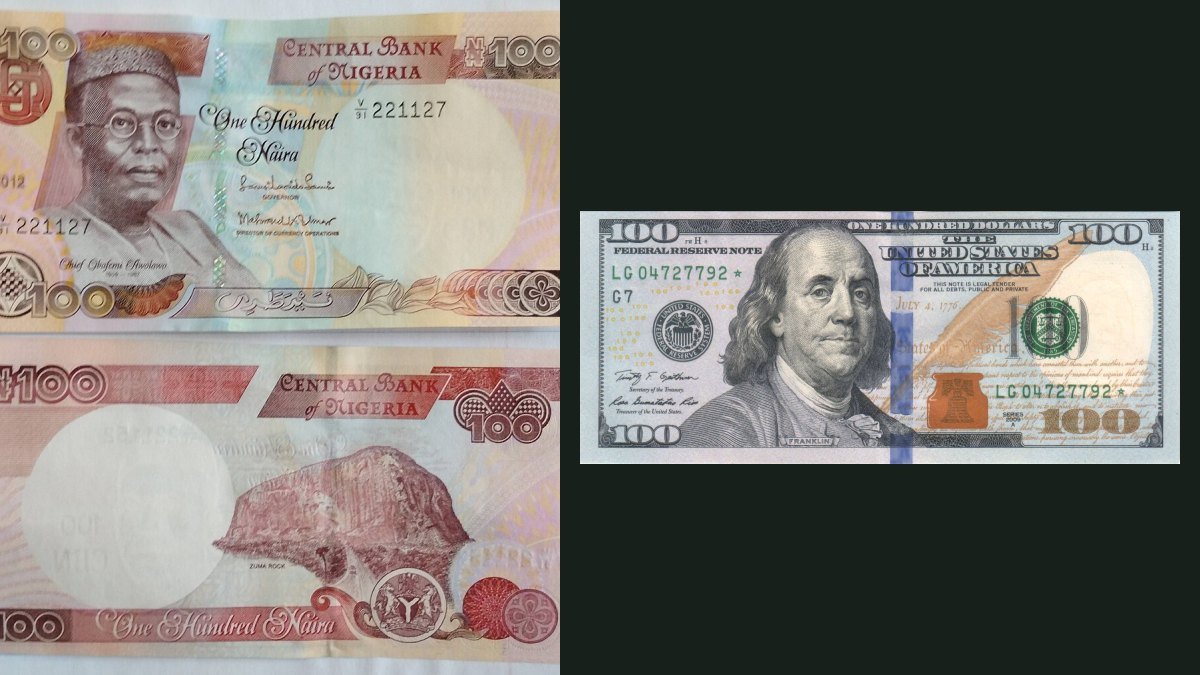
The naira opened the new trading week at ₦1,333.54 per dollar in the official Nigerian Foreign Exchange Market (NFEM) on Monday, October 19, 2026, while the dollar exchanged for as much as ₦1,390 in the parallel market.
Key Highlights
- Naira opens the week at ₦1,333.54/$ in the official NFEM.
- Parallel-market dealers buy the dollar at about ₦1,375 and sell at ₦1,390.
- The gap between the official and parallel-market selling rates stands at ₦56.46 per dollar.
- $1,000 costs about ₦1.39 million in the parallel market and ₦1,333,540 at the official rate.
- The official rate moved by ₦1.28 from Friday’s close of about ₦1,332.26/$.
The latest exchange rate figures showed that parallel-market dealers quoted the dollar at approximately ₦1,375 for buying and ₦1,390 for selling, highlighting the difference between the official and unofficial foreign exchange markets.

How Much $100, $500 And $1,000 Cost Today
At the parallel-market selling rate of ₦1,390, Nigerians seeking to purchase $100 would need approximately ₦139,000, while $500 would cost ₦695,000 and $1,000 would amount to ₦1.39 million.
At the official NFEM rate of ₦1,333.54, $100 would be worth approximately ₦133,354, while $500 would amount to ₦666,770 and $1,000 would cost ₦1,333,540, before applicable charges.
The difference between the official rate and the parallel-market selling price stands at ₦56.46 per dollar, meaning buyers sourcing foreign currency through the parallel market may pay more than those who can access dollars at the official rate.
The latest figures also showed a slight change in the official market compared with the previous trading session. The naira closed at approximately ₦1,332.26 per dollar on Friday, October 16, meaning Monday’s rate of ₦1,333.54 represented a difference of ₦1.28.
Meanwhile, the parallel-market dollar was reported at around ₦1,370 on Friday before its selling price reached ₦1,390 on Monday.
What The Exchange Rate Means For Nigerians
The naira-to-dollar exchange rate remains an important indicator for businesses and individuals who depend on foreign currency for international transactions, including imports, overseas education, medical bills and travel expenses.
A higher dollar selling rate increases the amount of naira required to obtain foreign currency, potentially raising transaction costs for individuals and businesses that rely on the parallel market.
Import-dependent businesses may also face increased naira costs when settling dollar-denominated payments, depending on the exchange rate available to them.
Read also:
- Dollar to Naira Exchange Rate Today, October 16, 2026: How Much $100, $500 and $1,000 Cost on the Black Market
- Dollar Sells For ₦1,375 As Naira Trades At ₦1,332 On Official Market
- Naira to Dollar Exchange Rate Today, October 9, 2026: Official Rate at ₦1,329.34, Black Market at ₦1,385
However, parallel-market rates are not uniform across Nigeria and may vary depending on the location, the dealer involved and the amount of foreign currency being exchanged.
Exchange rates may also change during the trading day as demand and supply conditions fluctuate. Nigerians planning foreign-currency transactions are advised to confirm the applicable rates with their banks or licensed Bureau De Change operators before completing their transactions.
For daily exchange rate updates and more business news, follow us on X.