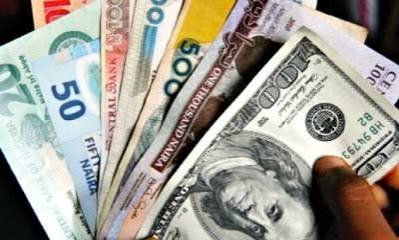
The naira traded at ₦1,329.34 per dollar at the Nigerian Foreign Exchange Market (NFEM) on Friday, October 9, 2026, while the US dollar exchanged at approximately ₦1,385 on the parallel market, also known as the black market. The difference between the two rates stood at ₦55.66 per dollar, highlighting the continued gap between Nigeria’s official and parallel foreign exchange markets.
Key Highlights
- The official NFEM exchange rate stood at ₦1,329.34 per dollar on Friday, October 9, 2026.
- The dollar traded at approximately ₦1,385 on the parallel market.
- The gap between the official and parallel market rates was ₦55.66 per dollar.
- The naira remained relatively stable at the official window, trading within a reported range of ₦1,327 to ₦1,332 in early October.
- Dollar supply, market demand and foreign exchange liquidity remain key factors influencing the naira.
- Businesses and individuals may receive different exchange rates depending on the market and transaction type.
Official Naira to Dollar Exchange Rate Today
The naira traded at ₦1,329.34 per dollar at the Nigerian Foreign Exchange Market on Friday, reflecting relative stability in the official foreign exchange market.

During the early days of October, the naira reportedly traded within a narrow range of approximately ₦1,327 to ₦1,332 per dollar, indicating limited fluctuations in the official exchange rate.
This relative stability comes amid continued demand for the US dollar from businesses, importers and individuals who require foreign currency for international transactions.
The NFEM rate serves as an important reference point for monitoring the naira’s performance against the dollar in Nigeria’s official foreign exchange market.
Black Market Dollar to Naira Exchange Rate Today
On the parallel market, the US dollar exchanged at approximately ₦1,385 on Friday, October 9, 2026.
The parallel market, commonly called the black market, serves individuals and businesses seeking foreign currency outside the official trading window. Rates may vary among currency dealers and across locations, depending on demand and the availability of dollars.
At the reported rates, the dollar was ₦55.66 more expensive on the parallel market than at the official window.
The difference between the two rates remains an important indicator of foreign exchange market conditions, although the quoted rates may vary depending on the source, location and transaction involved.
Difference Between Official and Black Market Rates
The reported official rate of ₦1,329.34 and parallel market rate of ₦1,385 represent a difference of ₦55.66 per dollar.
This gap matters to businesses and individuals who need to purchase foreign currency for imports, travel, international payments and other transactions.
However, the actual rate available to a customer may depend on the amount being exchanged, the currency dealer, applicable charges and the market through which the transaction is conducted.
Read also:
- Naira Gains as Dollar Sells for ₦1,375 in Parallel Market, Official Rate Hits ₦1,331.77
- Dollar to Naira Exchange Rate Today, October 7, 2026: Naira Gains Officially, Falls on Parallel Market
- Dollar To Naira Exchange Rate Today, October 6, 2026: Naira Gains At Parallel Market
Factors Affecting the Naira Against the Dollar
Several factors influence the naira’s performance against the US dollar, including foreign currency supply, demand from importers and other businesses, and liquidity within Nigeria’s foreign exchange market.
The monetary policy decisions and foreign exchange management measures of the Central Bank of Nigeria (CBN) also influence activity in the official market.
The availability of dollars remains particularly important for businesses that depend on imported goods, raw materials, equipment and services. Changes in demand or supply can affect the rate at which the naira exchanges for the dollar.
Foreign reserves and foreign exchange market turnover are also important indicators to monitor when assessing the currency’s performance.
Outlook for the Naira in October 2026
As Nigeria moves further into the final quarter of 2026, market participants will continue to monitor dollar availability, foreign reserves, market liquidity and developments in foreign exchange policy.
Whether the relative stability recorded at the official window continues, and whether the gap between official and parallel market rates narrows or widens, will depend partly on changes in foreign currency supply and demand.
For Nigerians checking the dollar to naira exchange rate today, it is important to distinguish between the official NFEM benchmark and the parallel market rate, as the applicable exchange rate may vary by transaction and provider.
For daily naira exchange rate updates, follow us on X.