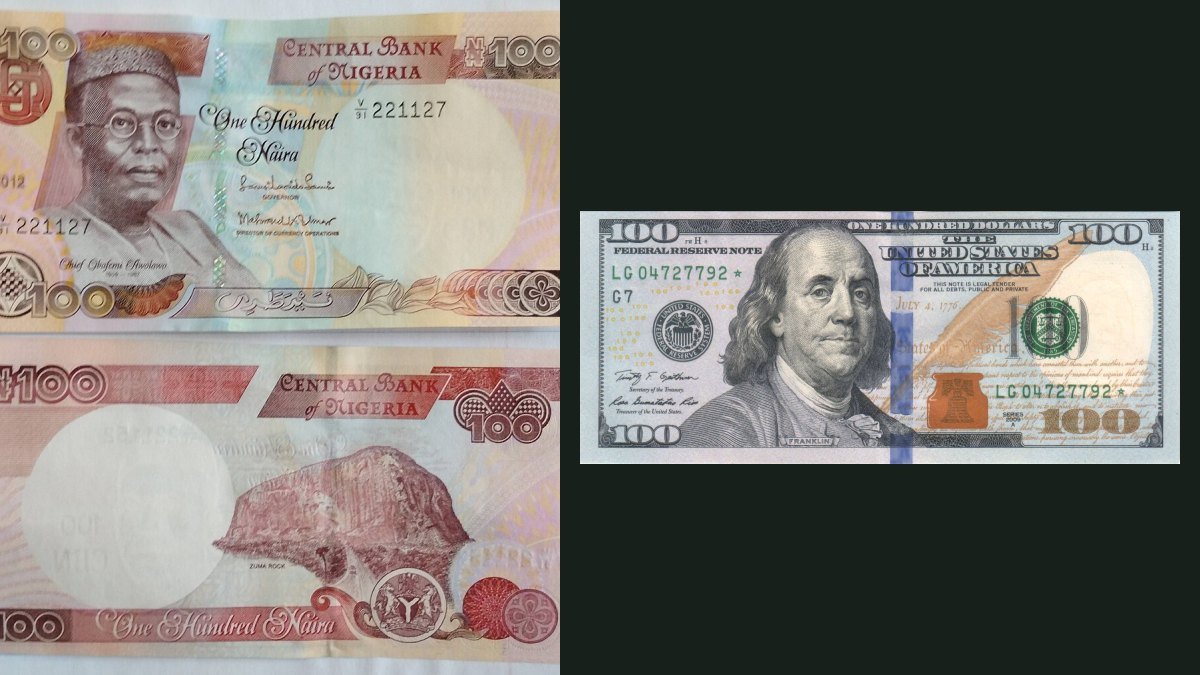
The dollar-to-naira exchange rate traded around ₦1,333 per dollar in the official foreign exchange market, while the parallel market quoted rates of about ₦1,365 for buying and ₦1,380 for selling on Tuesday, October 20, 2026, according to available market reports.
The latest reported figures indicate that the dollar remains more expensive in the parallel market than at the official window, with the difference affecting Nigerians who need foreign currency for imports, international tuition payments, travel and other overseas transactions.

Key Highlights
- Official dollar-to-naira reference rate: approximately ₦1,333 per dollar.
- Parallel-market buying rate: around ₦1,365 per dollar.
- Parallel-market selling rate: around ₦1,380 per dollar.
- $100 costs approximately ₦133,326 at the indicative official rate and ₦138,000 at the parallel-market selling rate.
- Exchange rates may vary by dealer, location and transaction size.
Dollar to Naira Exchange Rate Today
The indicative exchange rates for Tuesday, October 20, 2026, are presented below.
| Foreign exchange market | Rate per $1 |
|---|---|
| Official NFEM reference rate | ₦1,333.26 |
| Parallel-market buying rate | ₦1,365 |
| Parallel-market selling rate | ₦1,380 |
The official reference figure is based on the latest reported rate available for the date, while the parallel-market figures are indicative quotations that may differ among Bureau De Change (BDC) operators, according to an Awajis exchange-rate update.
How Much Is $100 to Naira Today?
At the indicative official rate of ₦1,333.26 per dollar, $100 is worth approximately ₦133,326.
At the parallel-market selling rate of ₦1,380 per dollar, the same $100 would cost ₦138,000.
This represents a difference of ₦4,674 on a $100 transaction, before any additional charges.
The amount received or paid will depend on the applicable exchange rate and the terms offered by the bank or foreign exchange dealer.
Dollar to Naira Conversion for $200, $300, $500 and $1,000
Based on the indicative rates, the naira equivalents of common dollar amounts are as follows.
| US dollar amount | Official rate (₦1,333.26/$) | Parallel selling rate (₦1,380/$) |
|---|---|---|
| $100 | ₦133,326 | ₦138,000 |
| $200 | ₦266,652 | ₦276,000 |
| $300 | ₦399,978 | ₦414,000 |
| $500 | ₦666,630 | ₦690,000 |
| $1,000 | ₦1,333,260 | ₦1,380,000 |
These calculations are estimates based on the stated rates and exclude transaction fees and other charges.
Why the Dollar-to-Naira Exchange Rate Matters
The dollar-to-naira exchange rate remains important to businesses and households that depend on foreign currencies for international transactions.
Importers and manufacturers purchasing goods, machinery and raw materials from overseas may face higher costs when the dollar appreciates against the naira. Such increases can affect operating expenses and the prices of goods sold to consumers.
Nigerians paying tuition fees abroad, international travellers and families sending money to relatives overseas also monitor daily exchange-rate movements to estimate their expenses.
The difference between official and parallel-market rates can further affect the amount individuals pay when sourcing foreign currency outside the official banking system.
Read also:
- Naira To Dollar Exchange Rate Today: Dollar Sells For ₦1,390 As Naira Opens Week
- Dollar to Naira Exchange Rate Today, October 16, 2026: How Much $100, $500 and $1,000 Cost on the Black Market
- Dollar Sells For ₦1,375 As Naira Trades At ₦1,332 On Official Market
What Determines the Dollar-to-Naira Rate?
Exchange rates fluctuate in response to foreign currency demand and supply, market liquidity, trading activity and other economic developments.
The Central Bank of Nigeria’s Nigerian Foreign Exchange Market (NFEM) provides the official market reference rate. Bureau De Change operators, meanwhile, quote rates based on prevailing market conditions and their individual transactions.
The official rate and parallel-market quotations should therefore be treated separately when calculating the cost of a foreign exchange transaction. The Central Bank of Nigeria provides further information through its official exchange-rate page.
Nigerians planning foreign exchange transactions are advised to confirm the applicable rate with their banks or licensed foreign exchange dealers before completing a transaction, as quotations may change during the day.
For daily exchange-rate updates and more business news, follow us on X.