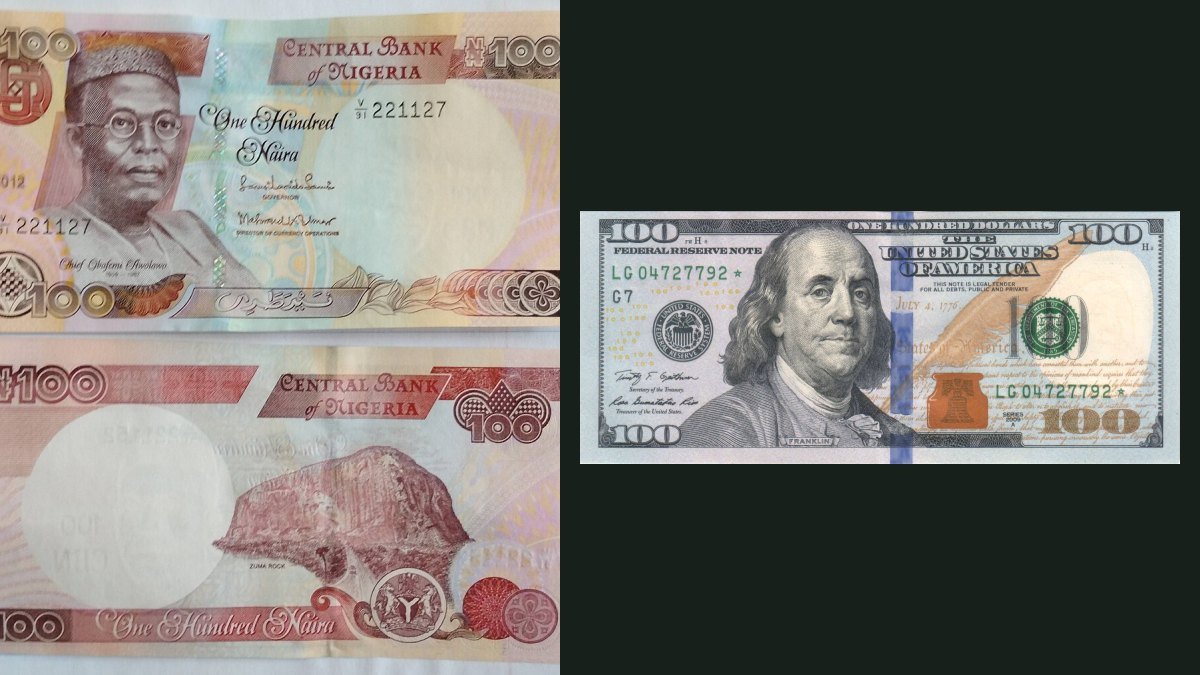
The naira traded at approximately ₦1,331.09 per dollar in the official foreign exchange market on Friday, October 16, 2026, while the US dollar sold for as much as ₦1,390 on the parallel market, according to the reported exchange rates.
Latest: Dollar to naira exchange rate today: official and black market rates (live tracker)

The difference between the two rates affects Nigerians who need dollars for international payments, travel, school fees, imports and business transactions.
Key Highlights
- Official dollar-to-naira exchange rate: approximately ₦1,331.09 per dollar.
- Parallel-market selling rate: as high as ₦1,390 per dollar.
- $100 costs ₦139,000 at the highest reported black-market selling rate.
- $500 costs ₦695,000 at ₦1,390 per dollar.
- $1,000 costs ₦1.39 million at the same parallel-market rate.
- The difference between the official and parallel-market selling rates is ₦58.91 per dollar.
- Actual exchange rates may vary by location, dealer and the amount being exchanged.
Official Dollar to Naira Exchange Rate Today
Data from the Nigerian Foreign Exchange Market (NFEM) put the naira at approximately ₦1,331.09 per dollar during early trading on Friday.
At this reported rate, the naira equivalent of selected dollar amounts is:
| US dollar amount | Naira equivalent at ₦1,331.09 |
|---|---|
| $100 | ₦133,109 |
| $500 | ₦665,545 |
| $1,000 | ₦1,331,090 |
These figures are mathematical conversions using the reported official rate. The actual rate available to a customer may differ depending on the transaction and the financial institution involved.
Black-Market Dollar to Naira Rate Today
In the parallel market, currency dealers in commercial centres such as Lagos and Abuja reportedly quoted buying rates between ₦1,355 and ₦1,365 per dollar, while selling rates ranged from ₦1,375 to ₦1,390.
The buying rate is the price at which a dealer purchases dollars from a customer, while the selling rate is what the customer pays to obtain dollars.
For Nigerians buying dollars at the highest reported selling rate of ₦1,390, the cost would be:
| US dollar amount | Cost at ₦1,390 per dollar |
|---|---|
| $100 | ₦139,000 |
| $500 | ₦695,000 |
| $1,000 | ₦1,390,000 |
The figures exclude any additional charges that may apply. Customers should confirm the dealer’s actual rate before completing a transaction.
Difference Between Official and Black-Market Rates
The difference between the reported official rate of ₦1,331.09 and the parallel-market selling rate of ₦1,390 is ₦58.91 per dollar.
This means that, based on the two reported rates, a person buying dollars at ₦1,390 would pay the following additional amounts compared with the official-rate calculation:
- $100: ₦5,891 more.
- $500: ₦29,455 more.
- $1,000: ₦58,910 more.
These comparisons illustrate the cost difference between the two quoted rates. They do not necessarily represent the amount every customer would save through an official-market transaction, since access requirements, fees and the rate offered by a financial institution may vary.
Read also:
- Dollar Sells For ₦1,375 As Naira Trades At ₦1,332 On Official Market
- Official, Black Market Naira To Dollar Exchange Rate Today, October 13, 2026
- Naira to Dollar Exchange Rate Today, October 9, 2026: Official Rate at ₦1,329.34, Black Market at ₦1,385
- Naira To Dollar Exchange Rate Today: Dollar Sells For ₦1,390 As Naira Opens Week
- Dollar to Naira Exchange Rate Today, October 20, 2026: Official and Black Market Rates
- Naira To Dollar Exchange Rate Today, October 21, 2026
What Is Influencing the Naira Exchange Rate?
The naira’s performance is influenced by several factors, including foreign exchange supply and demand, market liquidity, investor activity and Central Bank of Nigeria policies.
Market observations cited in the report attributed the relatively narrow gap between the official and parallel-market rates to moderated speculative activity and steady foreign exchange inflows. However, the available figures do not establish the precise contribution of these factors to Friday’s rates.
Changes in dollar availability can affect the prices quoted by banks, Bureau De Change operators and other currency dealers. Demand from importers, travellers, students and businesses making international payments can also influence activity in the foreign exchange market.
What the Dollar Rate Means for Nigerians
The dollar-to-naira exchange rate is important to individuals and businesses that depend on foreign goods and services.
A higher dollar rate can increase the naira cost of imported products, overseas tuition, travel expenses, subscriptions and other international payments. Businesses that rely on imported raw materials or equipment may also face higher operating costs when the naira weakens against the dollar.
For individuals purchasing dollars, even a small difference in the exchange rate can translate into a substantial additional expense when dealing with larger amounts.
Will the Dollar to Naira Rate Change?
Exchange rates can change during the trading day in response to market demand, dollar supply, liquidity and dealer pricing. The figures reported for Friday, October 16, 2026, should therefore be treated as indicative rates rather than guaranteed prices available to every customer.
Nigerians planning to buy or sell dollars should confirm the prevailing rate with their banks or authorised foreign exchange providers before completing a transaction.
For daily exchange rate updates, follow us on X.