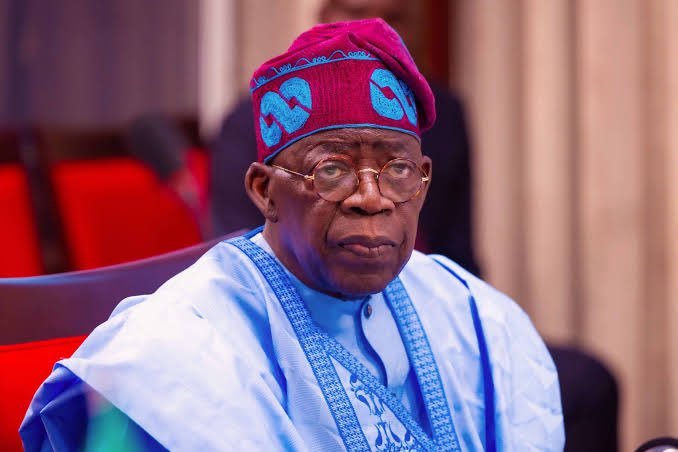
Nigeria’s proposed state police system has moved closer to becoming law after the National Assembly confirmed that 28 State Houses of Assembly approved the constitutional amendment. The Clerk to the National Assembly said the reports had been verified and the bill was being prepared for transmission to President Bola Tinubu for assent.

Related: State Police Bill: Delta Speaker Guwor predicts support from state assemblies nationwide
Key Highlights
- Twenty-eight state legislatures have approved the proposed State Police Services amendment.
- The constitutional threshold is approval by at least 24 of the 36 state assemblies.
- The National Assembly says it has verified the state approval reports and is preparing the bill for transmission to Tinubu.
- The Presidency has asked the organised private sector to develop a funding and implementation blueprint.
- Former Inspector-General of Police Mike Okiro has called for safeguards against political abuse.
- The amendment is not yet law; it must still be transmitted to the President for assent.
National Assembly Confirms 28 States’ Approval
Clerk to the National Assembly Kamoru Ogunlana said the legislature had received reports from 28 State Houses of Assembly and verified their votes and proceedings.
The Constitution of the Federal Republic of Nigeria, 1999 (Sixth Alteration) Bill, 2026, which seeks to establish State Police Services and address related matters, was sent to the 36 state legislatures on September 16 for consideration and approval. They were initially asked to report their decisions within 30 days, by October 15, but Ogunlana said his office would continue receiving reports until the bill is transmitted for assent.
The 28 approvals exceed the two-thirds threshold of 24 state legislatures required for a constitutional alteration. The National Assembly’s guide to the constitutional amendment process explains the state approval requirement.
States That Approved the State Police Amendment
The 28 states are Adamawa, Abia, Akwa Ibom, Anambra, Bayelsa, Benue, Cross River, Delta, Ebonyi, Edo, Ekiti, Enugu, Imo, Kaduna, Kano, Kebbi, Kwara, Lagos, Nasarawa, Ogun, Osun, Oyo, Plateau, Rivers, Sokoto, Taraba, Yobe and Zamfara.
The National Assembly said it had checked the reports and accompanying votes and proceedings to confirm that they reflected decisions taken by the state legislatures. Ogunlana also said Section 9 of the Constitution does not expressly prescribe a third reading for a constitution alteration bill, unlike the procedure for ordinary bills.
Presidency Seeks Private Sector Support for Funding
The Presidency has asked the Organised Private Sector to develop a financing and implementation blueprint for the proposed state police system. The request followed the establishment of a committee headed by Chief of Staff to the President Femi Gbajabiamila.
Speaking at a plenary on security, stability and economic resilience at the 32nd Nigerian Economic Summit in Abuja, Gbajabiamila said insecurity imposes costs on businesses through abandoned investments, delayed expansion, disrupted supply chains and lost employment opportunities.
He urged business leaders to engage governors and legislators, contribute expertise in institutional management, expenditure control and risk assessment, and identify security challenges that prevent viable investments.
Read also:
- All 36 States Approve State Police in Nigeria as Constitutional Amendment Clears Final Hurdle
- State Police Bill: Delta Speaker Guwor Predicts Support From State Assemblies Nationwide
- Delta Assembly Approves State Police Amendment 23–0, Joins Push for Decentralised Policing
- Abia Dismisses Report Of Non-Passage Of State Police Bill By State House Of Assembly
- State Police Bill: Tinubu Receives Constitutional Amendment Bill as All 36 States Approve
t
Okiro Calls for Safeguards Against Governors’ Abuse
Former Inspector-General of Police and former Police Service Commission Chairman Mike Okiro has called for safeguards to prevent governors from using state police against political opponents or for personal interests. He said states would be expected to fund their police forces if the amendment receives presidential assent.
Okiro cited existing state support for policing, including patrol vehicles, communication equipment and security infrastructure. He pointed to Lagos State initiatives such as Operation Sweep, the Rapid Response Squad, the Lagos State Security Trust Fund, surveillance systems and a forensic analysis centre. He also cited Enugu State’s Digital Surveillance Control Centre.
He said decentralised policing could improve security and provide more manpower, but argued that strong institutional checks would be necessary to protect police independence and public accountability.
Okiro Proposes Protections for Police Chiefs
Okiro recommended extending tenure protections for the Inspector-General of Police to Commissioners of Police, saying police chiefs should not be removed arbitrarily. He proposed that removal of the IGP require approval by a two-thirds majority of the Senate, while removal of state commissioners require approval by a two-thirds majority of the relevant State House of Assembly.
He also called for oversight by the State Police Council, independent complaint-handling mechanisms and clear legal consequences for governors who deploy state police for partisan, ethnic, religious, sectional or personal purposes.
Okiro said national minimum standards should cover recruitment, training, promotion, discipline, use of force, firearms, accountability and professional conduct.
What Happens Next?
With the required state approval threshold met, the National Assembly is preparing to transmit the amendment to Tinubu for assent. If signed, the change would provide for a dual policing structure involving the Nigeria Police Force and state police services.
The reform’s effectiveness would depend on sustainable funding, professional training, oversight and safeguards against political interference. For more updates, follow us on X.