Democrats won control of the U.S. Senate in the 2026 midterm elections, while media projections indicated they would also take the House as vote counting continued. The Senate result marks a major setback for President Donald Trump and the Republican Party; House control remained a projection as of Wednesday, November 4.
Related: US midterm elections put Trump’s leadership to test as Republicans face tough battle

Key Highlights
- Democrats won control of the U.S. Senate in Tuesday’s midterm elections.
- U.S. media projected Democrats would reach the 218 seats needed for a House majority.
- House races were still being counted, and the chamber’s control had not been called by all outlets.
- Democrats flipped several Republican-held Senate seats, including in North Carolina, Ohio, Kansas, South Carolina and Texas.
- Former President Barack Obama campaigned for Democratic candidates and helped mobilise voters.
- A Democratic majority in both chambers would increase congressional scrutiny of Trump’s administration when the new Congress convenes in January.
Democrats Win Senate as House Results Are Counted
Democrats made major gains in the Senate, taking control of the chamber after flipping multiple Republican-held seats. Their victories in North Carolina, Ohio, Kansas, South Carolina and Texas underscored the scale of the party’s advance.
Control of the House was less settled. Democrats needed 218 seats for a majority, and U.S. media projected that the party would reach that threshold. However, House races were still being counted, and some election coverage described the chamber as too early to call.
The Federal Election Commission explains how official federal election results are reported and certified through its election results and voting information page.
Trump’s Campaign Fails to Stop Democratic Gains
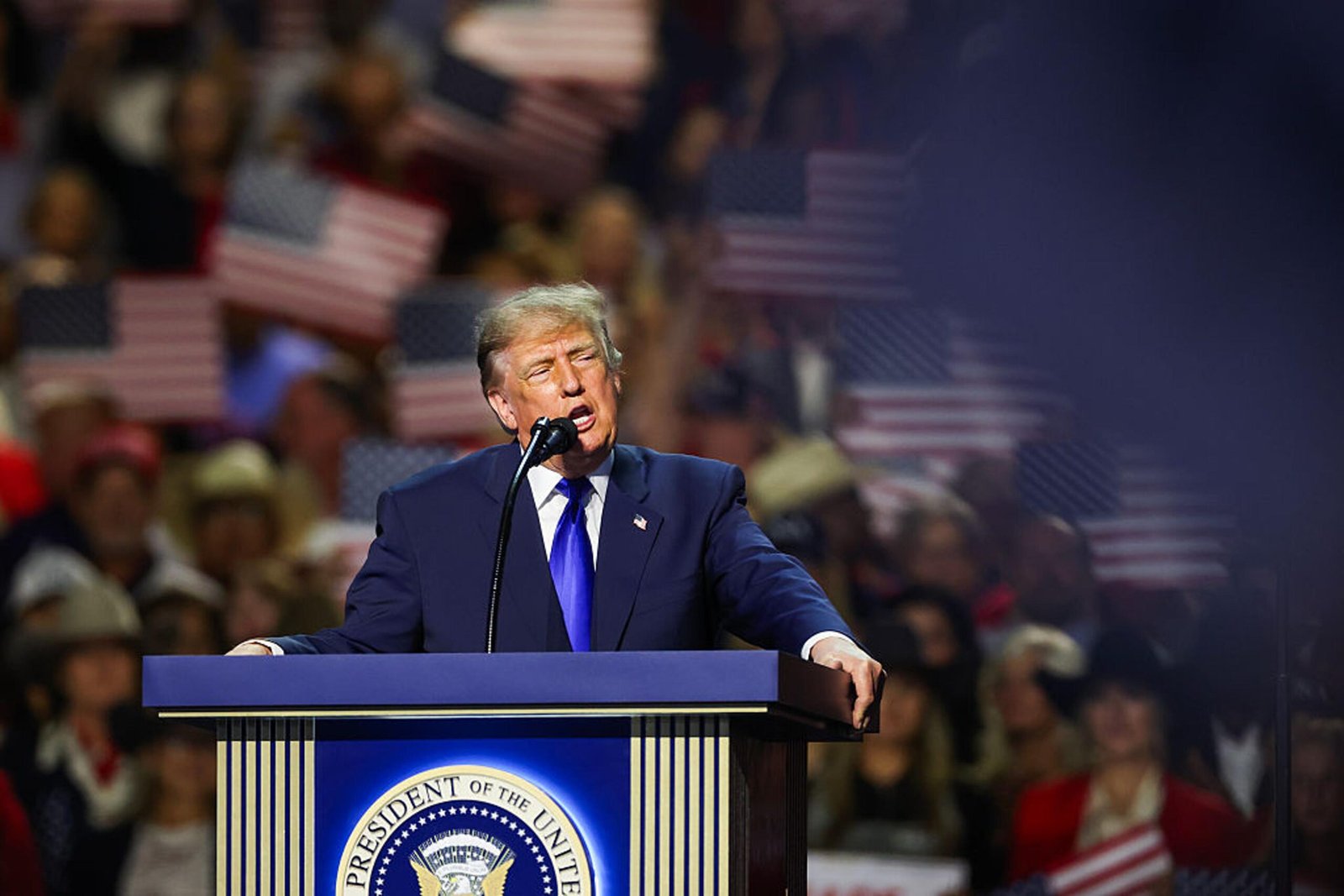
Trump campaigned extensively for Republican candidates, urging voters to treat the midterms as a defence of his administration and the party’s record in Congress. The Senate result and projected House shift represented a sharp rejection of that effort.
Former President Barack Obama also played a visible role in Democratic mobilisation, appearing at rallies and in campaign advertisements for candidates. His involvement helped draw attention to races that could determine control of Congress.
The results reflected voter concerns about economic pressures, government accountability and the balance of power in Washington. Democrats argued that a stronger congressional check was needed on the Trump administration.
Read also:
- US Midterm Elections Put Trump’s Leadership To Test As Republicans Face Tough Battle
- Rapper Nicki Minaj Backs Trump, Urges Voters To Elect Republicans At Michigan Rally
What a Democratic Congress Could Mean for Trump
If the House projection holds, Democrats would control both chambers when the new Congress takes office in January. The party would then have greater power to investigate the administration, hold hearings, subpoena officials and block or reshape legislation.
Senate control would also give Democrats more influence over the chamber’s legislative calendar and presidential nominations. It could complicate Trump’s efforts to secure confirmation of nominees and advance controversial appointments.
The shift would not remove Trump from office, but it would make it harder for the Republican president to advance his agenda without opposition. A divided government could bring legislative gridlock, although negotiations may still be possible on issues where both parties see room for agreement.
For more international news, follow us on X.