
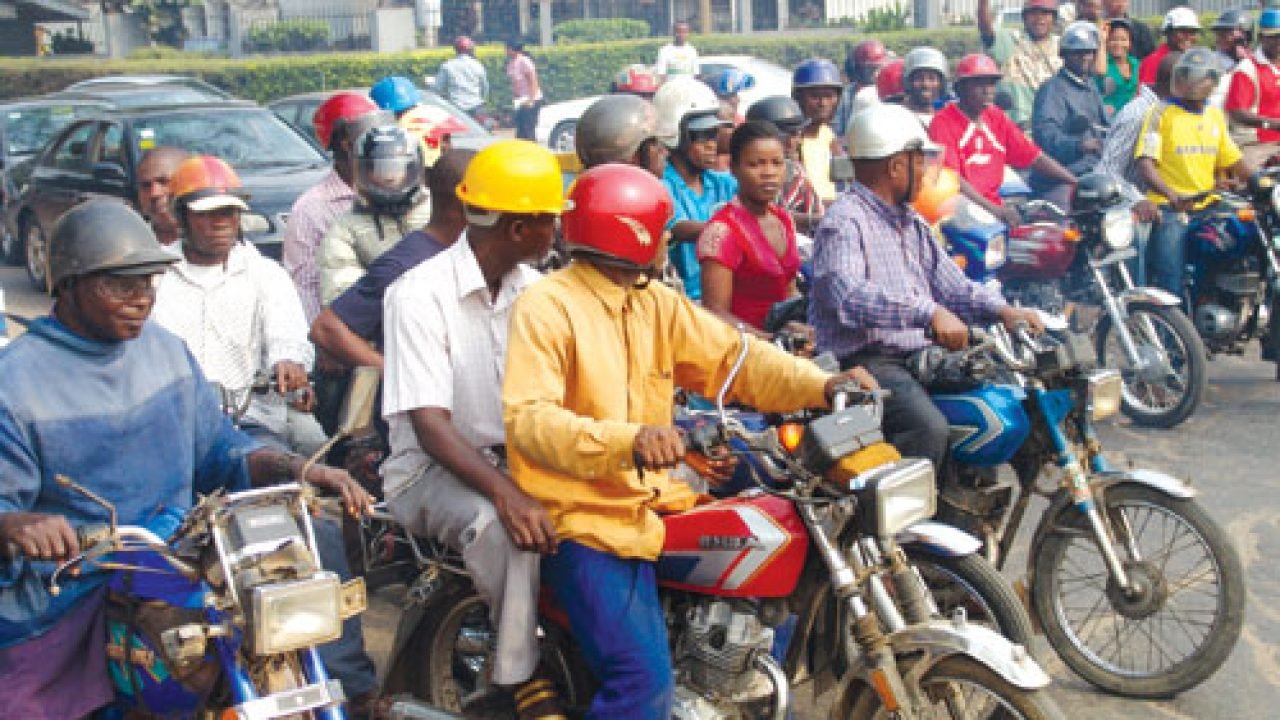
Nigerians are increasingly turning to rechargeable motorcycles as an alternative means of transportation amid rising petrol prices and the growing cost of living, with some users reporting significant savings on their daily transport expenses.
The shift towards electric motorcycles reflects efforts by commuters, traders and other Nigerians to reduce fuel costs and manage household budgets as higher transportation expenses continue to put pressure on incomes.

Key Highlights
- Nigerians are exploring rechargeable motorcycles to reduce transportation costs amid rising petrol prices.
- A provision shop trader in Adamawa State says switching to a rechargeable motorcycle has reduced his fuel expenses.
- The trader, Musa, said he previously spent about ₦8,000 on fuel but now charges his motorcycle’s battery.
- He said a fully charged battery can last up to two days, depending on usage.
- Purchase costs, battery life, charging access and maintenance remain important considerations for potential users.
Rising Petrol Prices Push Nigerians Towards Electric Motorcycles
The increasing cost of petrol has made transportation a major concern for many Nigerians, prompting some to explore alternatives to conventional petrol-powered motorcycles.
Higher transport costs can also affect the prices of goods and services, placing additional pressure on households and small businesses.
Rechargeable motorcycles, which operate using battery-powered electric motors, are attracting attention among people seeking to reduce their dependence on petrol.
For users whose daily movements are relatively short, electric motorcycles may offer an opportunity to lower running costs, although the actual savings depend on the purchase price, electricity costs, battery performance and maintenance requirements.
Adamawa Trader Reports Savings After Switching to Rechargeable Motorcycle
Speaking to The Trumpet, Musa, a provision shop trader in Adamawa State, said switching to a rechargeable motorcycle had significantly reduced his transportation expenses.
Musa explained that he previously spent about ₦8,000 on fuel, but now charges his motorcycle’s battery to meet his transportation needs.
According to him, a fully charged battery can last up to two days, making the motorcycle a convenient alternative for his daily activities.
He added that the change had made life easier as rising fuel costs continued to affect the purchasing power of ordinary Nigerians.
His experience illustrates how some traders and other individuals are exploring alternative transportation options to manage their expenses amid economic pressures.
However, the reported savings are based on his personal experience and may vary depending on distance travelled, frequency of use, electricity tariffs and the condition of the motorcycle’s battery.
Read also:
- Tinubu Highlights CNG Transport Savings as Nigerians Report Lower Fares on Some Routes
- Pat Utomi Slams Tinubu Over ₦1,300–₦1,900 Petrol Prices, Low Wages in Nigeria
- October 1 Transport Fare Cut: How Prepared Are FG, States for Nationwide Rollout?
Can Rechargeable Motorcycles Reduce Transportation Costs?
Rechargeable motorcycles could help some Nigerians reduce spending on petrol, particularly where daily journeys are short and charging is readily available.
Unlike conventional motorcycles, electric models rely on rechargeable batteries rather than petrol-powered engines. Their running costs therefore depend largely on electricity consumption, battery efficiency and maintenance.
However, the initial purchase price can be a major barrier for low-income earners and commercial riders. Battery replacement costs, charging infrastructure, spare-parts availability and access to qualified repair technicians may also affect long-term affordability.
Potential buyers therefore need to consider the total cost of ownership rather than comparing petrol expenses with charging costs alone.
Electric Motorcycles Offer an Alternative Amid Economic Hardship
As Nigerians continue to look for ways to cope with the rising cost of living, interest in alternative transportation options highlights the need for affordable and reliable mobility solutions.
For small-business owners, commercial riders and commuters, rechargeable motorcycles may offer an opportunity to manage operating expenses, provided the vehicles are suitable for their transportation needs.
The wider adoption of electric motorcycles will depend on factors including affordability, dependable battery technology, accessible charging facilities and reliable maintenance services.
The Trumpet will continue to monitor developments in alternative transportation and examine how emerging technologies are affecting the lives and livelihoods of Nigerians. For more updates, follow us on X.