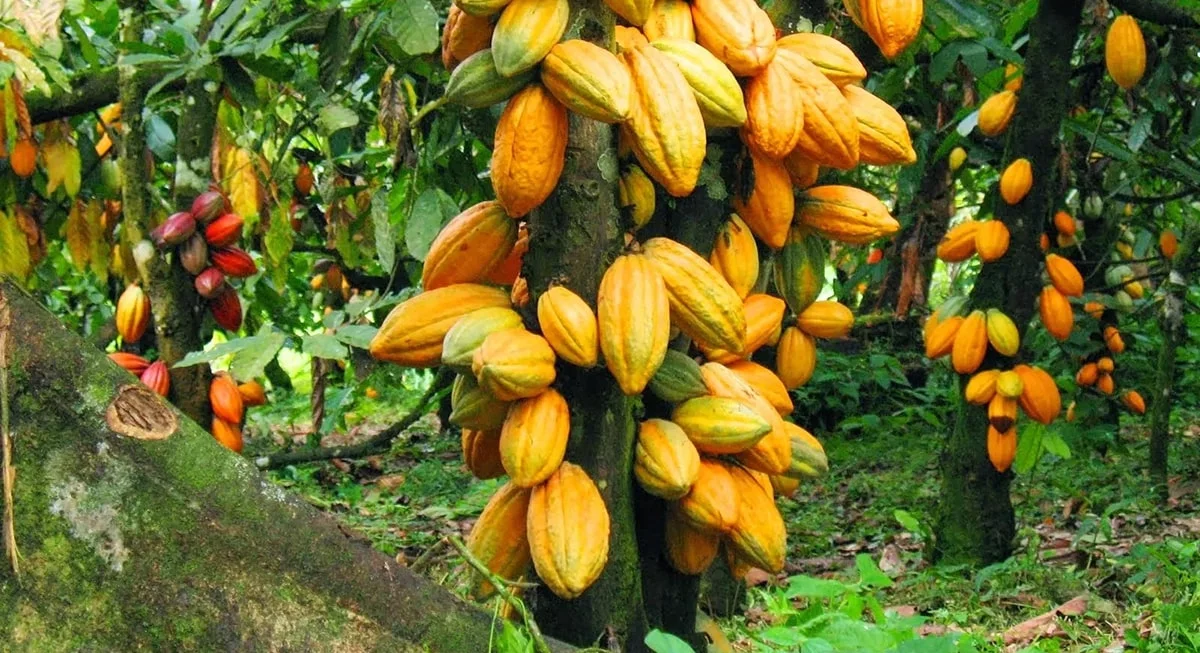
Nigeria’s cocoa bean exports to the United States increased significantly from $21.7 million in 2024 to $142 million in 2025, representing more than a sixfold rise and highlighting growing opportunities for the country’s agricultural export sector despite persistent production challenges.
The US Mission in Nigeria disclosed the figures in a post on its official Facebook page, attributing the growth to increased demand for Nigerian cocoa. The development comes as the Federal Government seeks to diversify the economy, expand non-oil exports and strengthen Nigeria’s position in the international cocoa market.

Key Highlights
- Nigeria’s cocoa bean exports to the United States rose from $21.7 million in 2024 to $142 million in 2025.
- The increase represents more than a sixfold rise in export value within one year.
- Ageing cocoa plantations, high production costs and limited access to credit continue to affect farmers.
- Cocoa beans accounted for ₦596.90 billion of Nigeria’s agricultural exports in the first quarter of 2026, according to National Bureau of Statistics data.
- Nigeria’s cocoa production was projected to decline by 11 per cent in the 2025/2026 season.
- Stakeholders are calling for improved seedlings, affordable financing, better processing facilities and stronger farmer cooperatives.
- The expansion of local processing is seen as essential to increasing value addition and creating jobs.
Nigeria’s Cocoa Exports Record Significant Growth
The increase in cocoa exports to the United States represents a major rise in the value of Nigeria’s cocoa trade with the American market.
However, the growth comes against the backdrop of longstanding challenges affecting domestic cocoa production, including ageing plantations, low farm productivity, inadequate access to finance and limited processing capacity.
Many cocoa trees in Nigeria are reportedly between 20 and 40 years old, while the average cocoa farmer is estimated to be about 60 years old.
High input costs, poor-quality seedlings and limited access to affordable credit have also constrained production and discouraged younger people from entering the sector.
These challenges raise questions about whether Nigeria can sustain the recent export growth without significant investment in farming, processing and agricultural infrastructure.
Cocoa Contributes ₦596.90bn to Nigeria’s Agricultural Exports
Despite the production difficulties, cocoa remains an important contributor to Nigeria’s agricultural export earnings.
Data from the National Bureau of Statistics (NBS) show that Nigeria exported agricultural products worth ₦1.17 trillion in the first quarter of 2026, with cocoa beans accounting for ₦596.90 billion.
The figures highlight the importance of cocoa to the country’s non-oil export earnings and its potential to support foreign exchange generation.
However, increased export values do not automatically translate into higher incomes for farmers, particularly when international prices fluctuate or domestic production declines.
Global cocoa prices fell sharply in 2025, dropping from approximately $10,950 per tonne at the beginning of the year to about $5,400 by November.
Nigeria’s cocoa production was also projected to decline by 11 per cent in the 2025/2026 season, raising concerns about the country’s ability to meet growing international demand.
Calls for Better Support for Cocoa Farmers
Stakeholders have called on the government to strengthen support for cocoa farmers through improved access to agricultural inputs, affordable financing and better market infrastructure.
They have also advocated stronger cooperative systems to help farmers access resources, negotiate better prices and improve the quality of their produce.
Investment in fermentation and drying facilities is considered important for improving cocoa bean quality and ensuring that Nigerian exports meet international market standards.
Better access to market information and transparent traceability systems could also help farmers secure more favourable prices and comply with requirements relating to deforestation-free agricultural supply chains.
Nigeria Targets Increased Local Cocoa Processing
Expanding domestic cocoa processing has also emerged as a major priority for the industry.
Nigeria has historically exported more than 80 per cent of its cocoa in raw form, limiting opportunities for local manufacturing, employment generation and value addition.
Increasing domestic processing would allow more cocoa beans to be converted into products such as cocoa butter, cocoa powder, chocolate and other cocoa-based goods before export or sale within the Nigerian market.
Indigenous processors, including Johnvents in Ondo State, are seeking to expand local processing capacity and the production of chocolate and other cocoa-based products.
Industry stakeholders believe that stronger local processing could help Nigeria retain a greater share of the value generated from its cocoa industry.
Read also:
- Ban On Raw Cocoa Export: Tinubu Unveils Plan To Process Product Locally, End Chocolate Imports
- Nigeria Spends $1.19bn on Food Imports in H1 2026 Despite Local Production Drive
- South East Development Commission Agriculture Plan Revives Okpara-Era Development Model
EIB Global, FCMB Announce €85m Financing for Nigerian Businesses
Financing initiatives are also emerging to support agricultural businesses and strengthen key value chains.
EIB Global, the international development arm of the European Investment Bank Group, and First City Monument Bank recently announced €85 million in financing for Nigerian businesses operating across agricultural value chains.
At least 70 per cent of the financing is expected to support the cocoa and dairy sectors.
The initiative is expected to improve access to funding for businesses involved in agricultural production and processing, although its overall impact will depend on implementation and access by eligible enterprises.
Calls for National Cocoa Management Board
Stakeholders have also advocated the establishment of a National Cocoa Management Board to improve coordination and strengthen quality control across the industry.
The proposed board would help restore functions such as standardisation, quality assurance and input distribution previously handled by the defunct cocoa board, which was dissolved in 1986.
Supporters of the proposal argue that a central coordinating institution could help address longstanding structural challenges and improve Nigeria’s competitiveness in the international cocoa market.
US Market Offers New Opportunities for Nigerian Cocoa
Although the United States remains a relatively small destination for Nigerian cocoa compared with some European markets, the increase in exports presents an opportunity to diversify the country’s agricultural trade.
The United States has also exempted certain commodities that it does not produce domestically, including cocoa, from its 10 per cent reciprocal tariff.
This could provide additional opportunities for Nigerian exporters seeking to expand their presence in the American market.
However, sustaining the growth will require improvements in domestic production, stronger export infrastructure, diversified international markets and increased investment in local processing.
Nigeria’s rising cocoa export figures demonstrate the potential of the agricultural sector, but the long-term benefits will depend on whether farmers and local businesses can overcome the challenges limiting productivity and value addition.
For more business and agriculture updates, follow us on X.