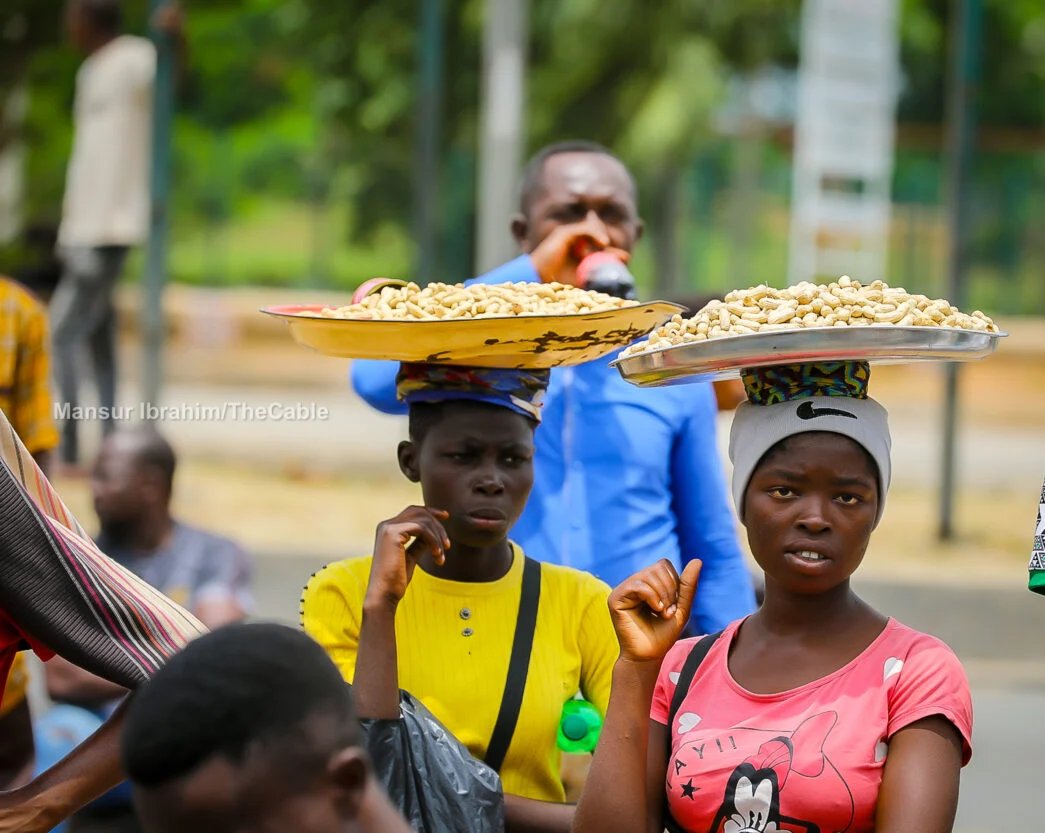
Kano State has recorded 875,593 children currently out of school across its 44 local government areas, according to the state’s 2026 Out-of-School Children Survey Report.
The figure was disclosed by the Kano State Ministry of Education during the dissemination of the report at the COVID-19 Hall of the ministry in Kano on Wednesday.

The event was attended by government officials, development partners, donor organisations, civil society groups, traditional and community leaders, school administrators and other stakeholders in the education sector.
According to the Commissioner for Education, Gwani Dr Ali Haruna Abubakar Makoda, the latest figure represents an 11.5 per cent reduction from the 989,234 out-of-school children recorded in 2023 UNICEF data.
The reduction translates to 113,641 fewer children outside the formal education system.
Makoda described the decline as encouraging, saying it indicated that sustained government interventions and investments in education were producing results.
He, however, warned that the number of children still out of school remained a major concern requiring renewed and coordinated efforts from the government and other stakeholders.
The commissioner explained that the previous figures were largely estimates based on national samples and other sources, while the 2026 figure was obtained through a statewide survey.
Read Also:
- Oyo Pupils Showcase Sign Language Skills At Maiden Inter-School Competition
- Makinde Sets Up Judicial Panel To Probe Oyo School Abduction
- Disu Defends Delay In Oyo School Children Rescue, Says Secrecy Saved Victims
He said the latest survey provided verified and disaggregated data according to local government areas, age and gender.
According to him, the data would serve as a credible baseline for evidence-based educational planning, policy formulation, resource allocation and targeted interventions aimed at enrolling, retaining and supporting children outside the formal school system.
Makoda attributed the progress recorded so far to the commitment of the Kano State Government under Governor Abba Kabir Yusuf, particularly increased investment in education.
He listed the expansion, rehabilitation and construction of schools and classrooms, provision of teaching and learning materials, free distribution of school uniforms and enrolment campaigns among measures adopted by the government.
The commissioner also identified improved education data and information management systems as well as collaboration with UNICEF and other development partners as key components of the state’s efforts to tackle the out-of-school children crisis.
He formally presented the 2026 survey report and urged stakeholders to use its findings to develop practical and sustainable solutions tailored to the needs of individual communities and local government areas.
“Although the reduction is encouraging, the fact that 875,593 children remain out of school shows that more work needs to be done,” Makoda said.
He added, “With accurate data, sustained investment, strong partnerships and political will, the challenge can be significantly reduced.”
The commissioner reaffirmed the ministry’s commitment to using reliable data and evidence in educational planning, monitoring and resource allocation across the state.
He described the dissemination of the report as a significant step towards strengthening collaboration among stakeholders and accelerating efforts to ensure that every child in Kano has access to education.
Makoda also appealed to parents, traditional and religious leaders, communities, development partners and civil society organisations to intensify their support for government efforts by encouraging families to enrol their children in school and ensure they remain there.