
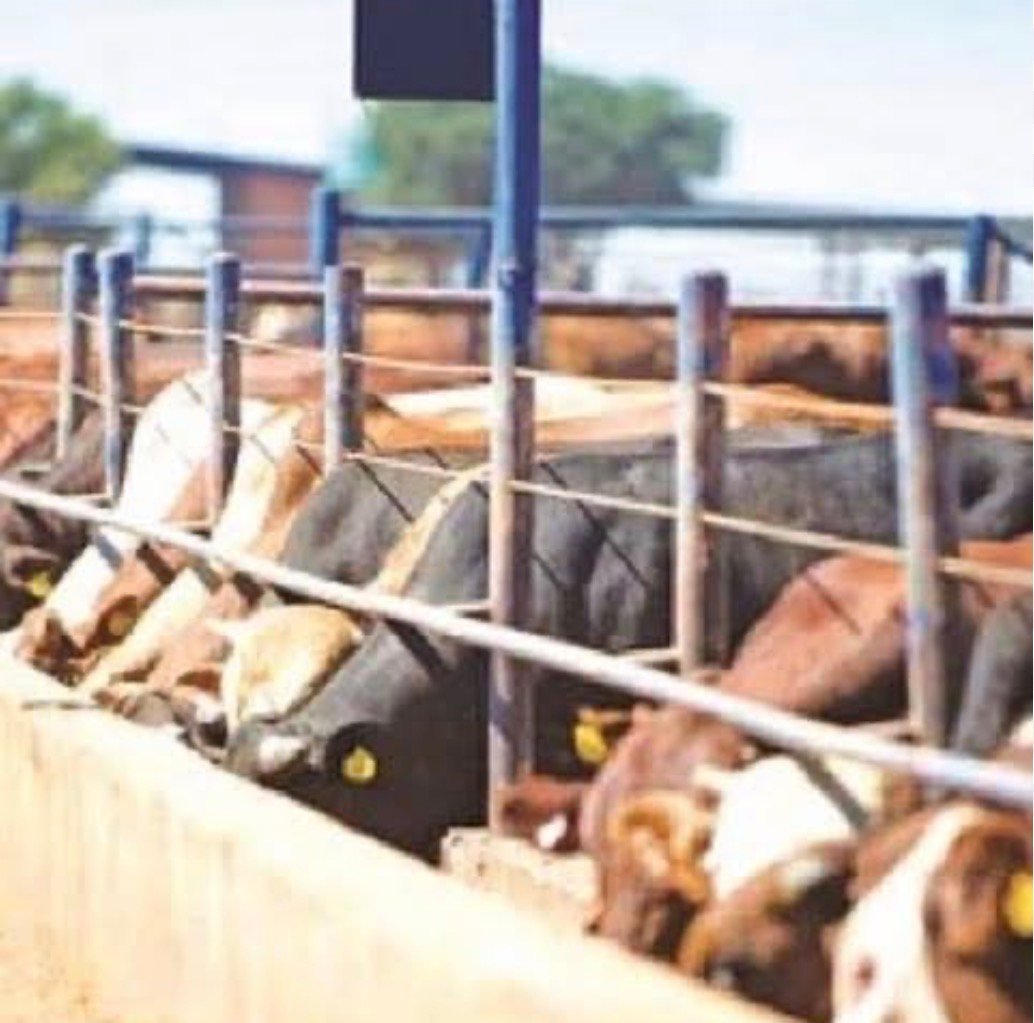
The federal government has selected Benue, Plateau, Nasarawa, Kaduna and Adamawa States, as well as the Federal Capital Territory (FCT), for the pilot implementation of its national ranching policy.
Minister of Livestock Development, Idi Maiha, disclosed this on Thursday, after briefing President Bola Tinubu in Abuja, on the federal government’s plans to transform livestock production and address challenges associated with open grazing.

Maiha said the pilot phase of the programme would commence at the Wase Grazing Reserve in Plateau State, where the government intends to test its new ranching model.
Under the initiative, pastoralists will be encouraged to raise their livestock in designated ranching locations rather than moving cattle across long distances in search of pasture and water.
The federal government is also engaging pastoral organisations as part of efforts to ensure a smooth transition from traditional grazing practices to modern ranching.
According to the minister, the programme will promote fodder cultivation and improve access to livestock feed, with the ultimate goal of boosting productivity and reducing conflicts between farmers and herders.
Beyond addressing farmer-herder clashes, the national ranching policy is expected to strengthen livestock management, curb cattle rustling and support the development of a comprehensive national livestock database.
The government is also expanding veterinary services and investing in dairy production, modern abattoirs and fodder development as part of a broader plan to reposition Nigeria’s livestock sector.
Maiha said seven model veterinary clinics have already been established, while plans are underway to ensure that every state in the country has at least one model veterinary hospital.
Read Also:
- Security analyst warns FG against sacred cow mentality in war against banditry
- Only electoral reforms “ll guarantee Igbo presidency in 2027- Ohanaeze
- presidency denies link between Shettima’s remarks, Rivers crisis, defends Tinubu’s actions
- Cross River Police Tighten Security After Farmer Is Reportedly Killed in Boki Community Clash
- Okpebholo Swears In 18 Edo LG Chairmen, Charges Them on Grassroots Development
- Gov Diri Receives UK Honour for Outstanding Grassroots Sports Development
- NUJ Urges Rivers Assembly to Review Suspension of ₦6bn PAMO Scholarship
- 1,695 Nigerians Return From South Africa Amid Fresh Xenophobia Fears
- FG Condemns Killing Of Farmers In Borno, Demands Justice
- Taraba Marshal Recovers Stolen Cow in Wukari, Urges Residents to Help Fight Crime
t
t
The pilot ranching programme is expected to provide a framework for the nationwide implementation of the federal government’s livestock development strategy as Nigeria seeks to modernise the sector, improve food security and unlock its economic potential.