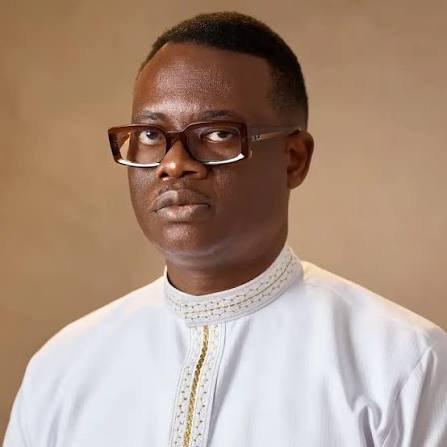
Nigerian social commentator Daniel Regha has taken aim at Apostle Arome Osayi over the preacher’s account of an alleged encounter with Jesus at a beach in Tanzania.
Osayi shared a testimony in which he claimed that Jesus appeared to him and instructed him to send ₦5 million to another pastor in exchange for supernatural powers to raise the dead and reverse autism.

The claim has triggered intense reactions online, with Regha questioning whether the figure Osayi encountered was actually Jesus.
Reacting to the account, Regha argued that the alleged instruction to exchange money for spiritual powers was inconsistent with the Bible.
“Pastor Arome Osayi seems to be making content, because what he said about the Tanzania beach is ridiculous. Jesus asked you to send ₦5m to receive the powers? People who defend him know nothing about the Bible, and it’s sad how gullible Nigerians can be,” he said.
Read Also:
- Daniel Regha Drags Davido, Wande Coal Body-Shaming Feud Into Spotlight After Tiny’s Death
- Daniel Regha tackles Deji Adeyanju over controversial electricity remark
- Davido, Erigga Clash Over ‘Family Money’ as Old Relationship Comes Under Spotlight
- Apostle Suleman Blasts Clerics Claiming To Visit Heaven Amid Arome Osayi Controversy
Regha also referenced Acts 8:20, where Peter rebuked Simon the sorcerer after he attempted to obtain the ability to confer the Holy Spirit through money.
According to Regha, another part of Osayi’s testimony further raised questions for him.
“What he said contradicts what the Bible says in Acts 8 vs 20 when someone wanted to buy powers from the apostles to perform miracles,” Regha stated.
He added that Osayi’s description of thinking about the powers he wanted before asking the figure he allegedly met at the beach made him doubt the identity of the figure.
“And if you notice in his story, he was thinking about the powers he wanted to ask the man he met at the beach, because that obviously isn’t Jesus,” he added.
Osayi’s account has continued to generate debate online, with some defending his testimony as a personal spiritual experience while others, like Regha, have questioned its theological basis.
The controversy has also reignited discussions about extraordinary supernatural claims made by Nigerian preachers and how such accounts should be examined against established biblical teachings.