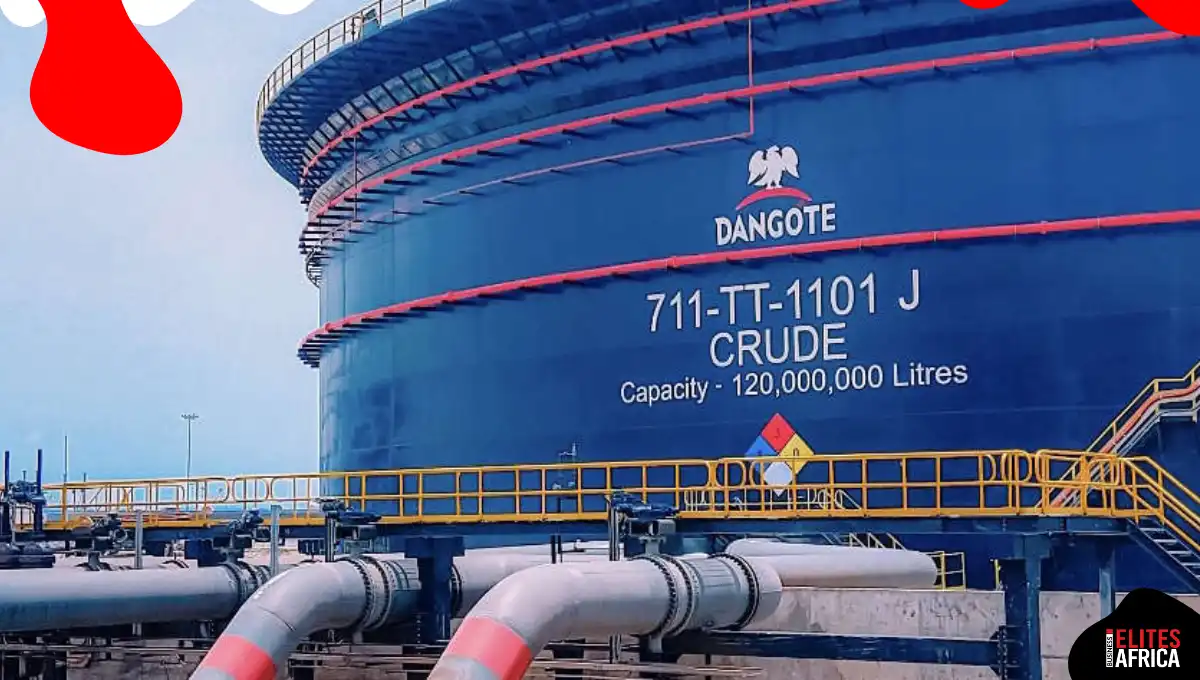
The Dangote Refinery has reversed its earlier increase in the ex-depot price of Premium Motor Spirit (PMS), returning the rate to N1,275 per litre just hours after raising it to N1,350.
The sudden policy shift, which occurred on Wednesday, sparked reactions across Nigeria’s downstream petroleum sector, as marketers scrambled to adjust to the initial hike before the reversal was announced.

A senior official at the refinery, who spoke on condition of anonymity, confirmed the development, attributing the decision to rapidly changing global oil market conditions.
“The earlier adjustment has been reversed. We have returned the gantry price to N1,275 per litre,” the official said.
The official explained that the move was driven largely by a sharp decline in global crude oil prices earlier in the day, which altered the refinery’s pricing outlook.
Market data showed that crude benchmarks recorded significant drops on Wednesday morning, with Brent crude falling to $101.7 per barrel, while West Texas Intermediate declined to $94.11 per barrel—representing decreases of 7.48 per cent and 7.98 per cent, respectively.
Despite the downward revision at the depot level, findings showed that several filling stations—particularly in Lagos—had already adjusted pump prices upward to as high as N1,400 per litre, reflecting the typical lag between ex-depot pricing and retail implementation.
The development comes barely a week after the refinery increased its ex-depot price from N1,200 to N1,275 per litre, marking the second N75 adjustment within seven days.
Read also:
- Dangote’s net worth surged to $33.2 billion as Refinery drives growth
- Dangote eyes East Africa expansion with planned Tanzania refinery
- Dangote Refinery expands fuel exports to stabilise African supply
Industry analysts say the frequent price fluctuations underscore the volatility currently defining Nigeria’s deregulated fuel market, as domestic refining increasingly replaces imports but remains vulnerable to global crude price swings, foreign exchange constraints, and supply chain dynamics.
Within the past month, the Dangote Refinery has revised petrol prices multiple times, alternating between reductions and increases in response to shifting market fundamentals, including inventory levels and supply pressures.
The latest reversal highlights the refinery’s growing dominance in local fuel supply and its expanding influence over domestic pricing structures.
However, for consumers, the immediate relief appears limited, as retail prices continue to trend upward amid persistent inflation and rising transportation costs, with marketers expected to pass on any sustained increases in wholesale prices.
The situation signals a transitional phase in Nigeria’s petroleum sector, where pricing is becoming more market-driven, but remains highly sensitive to both domestic and international variables.