
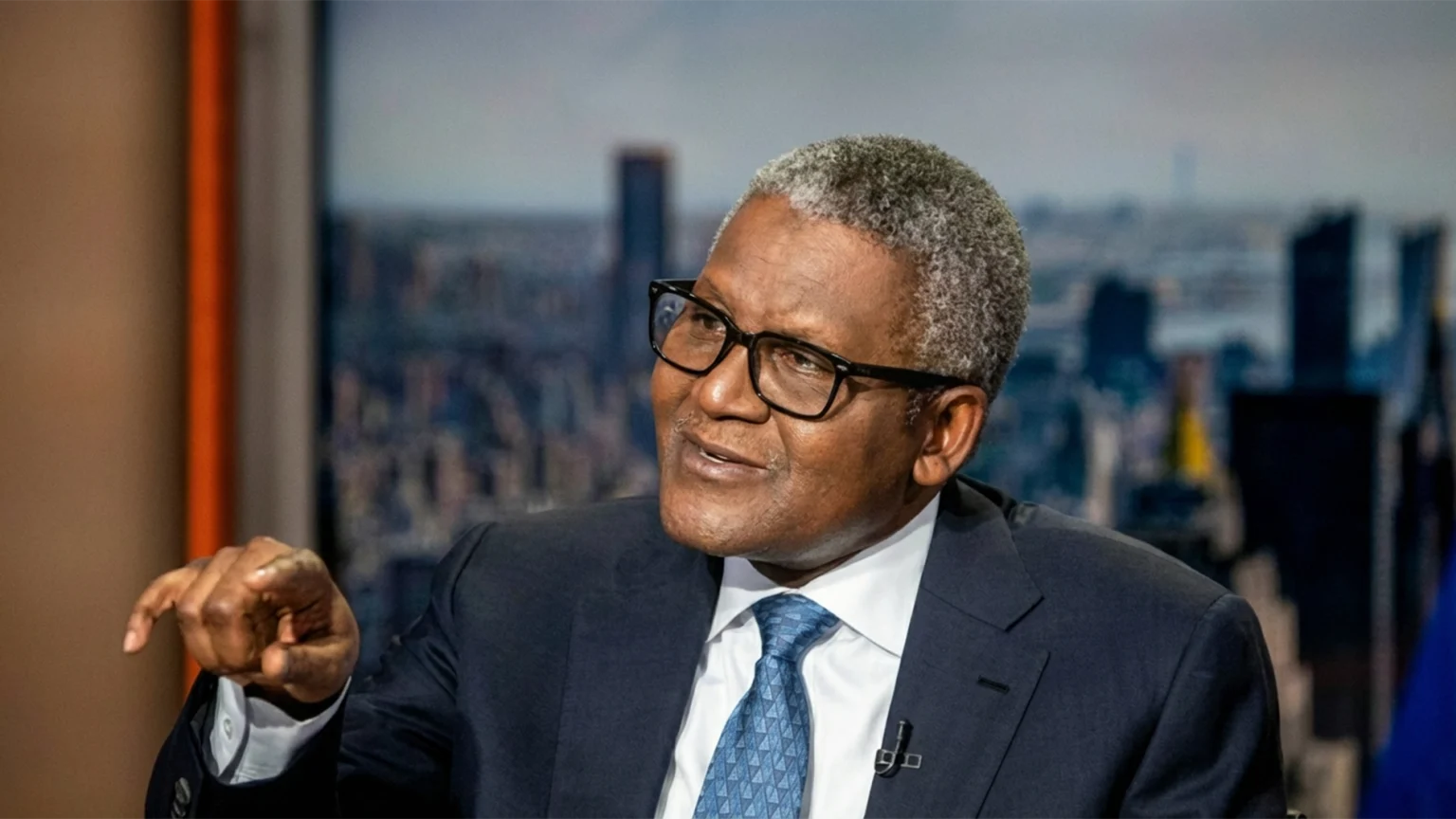
Africa’s richest man, Aliko Dangote, has unveiled plans to partner with Kenya and Uganda to build a major oil refinery in Tanzania, a move that could significantly reshape the region’s energy landscape.
Speaking at an infrastructure financing conference in Nairobi, the Dangote Group president said the proposed refinery would mirror his flagship facility in Nigeria, which processes 650,000 barrels per day.
“If they support the refinery, we will build the same one we have in Nigeria,” Dangote said, expressing confidence in the project’s viability.

The initiative, still in early stages, depends largely on political backing from regional governments.
Leaders including William Ruto and Yoweri Museveni have already engaged in discussions around the project.
Dangote revealed that his broader refining ambitions could scale up to 1.4 million barrels per day, positioning the facility among the largest globally.
He added that such capacity could account for roughly 10% of the United States’ total refining output.
Beyond fuel production, the planned refinery is expected to integrate petrochemical operations, supporting industries reliant on products like polypropylene critical for manufacturing and packaging.
Dangote used the platform to advocate for greater industrial self-sufficiency across Africa, urging countries to move away from exporting raw materials and instead focus on local value addition.
Read also:
- Dangote Refinery expands fuel exports to stabilise African supply
- Afreximbank underwrites $2.5bn of Dangote Refinery’s landmark $4bn loan deal
- African Nations turn to Dangote Refinery as Middle East crisis disrupts global fuel supply
“It is possible. Africans can do it. Let us not be scared,” he said.
He also praised policy efforts in Uganda aimed at restricting raw material exports, noting that such strategies encourage domestic industrial growth.
If realised, the Tanzania refinery project would reduce East Africa’s heavy reliance on imported refined petroleum products currently sourced largely from the Middle East, while strengthening regional energy security and industrial capacity.