
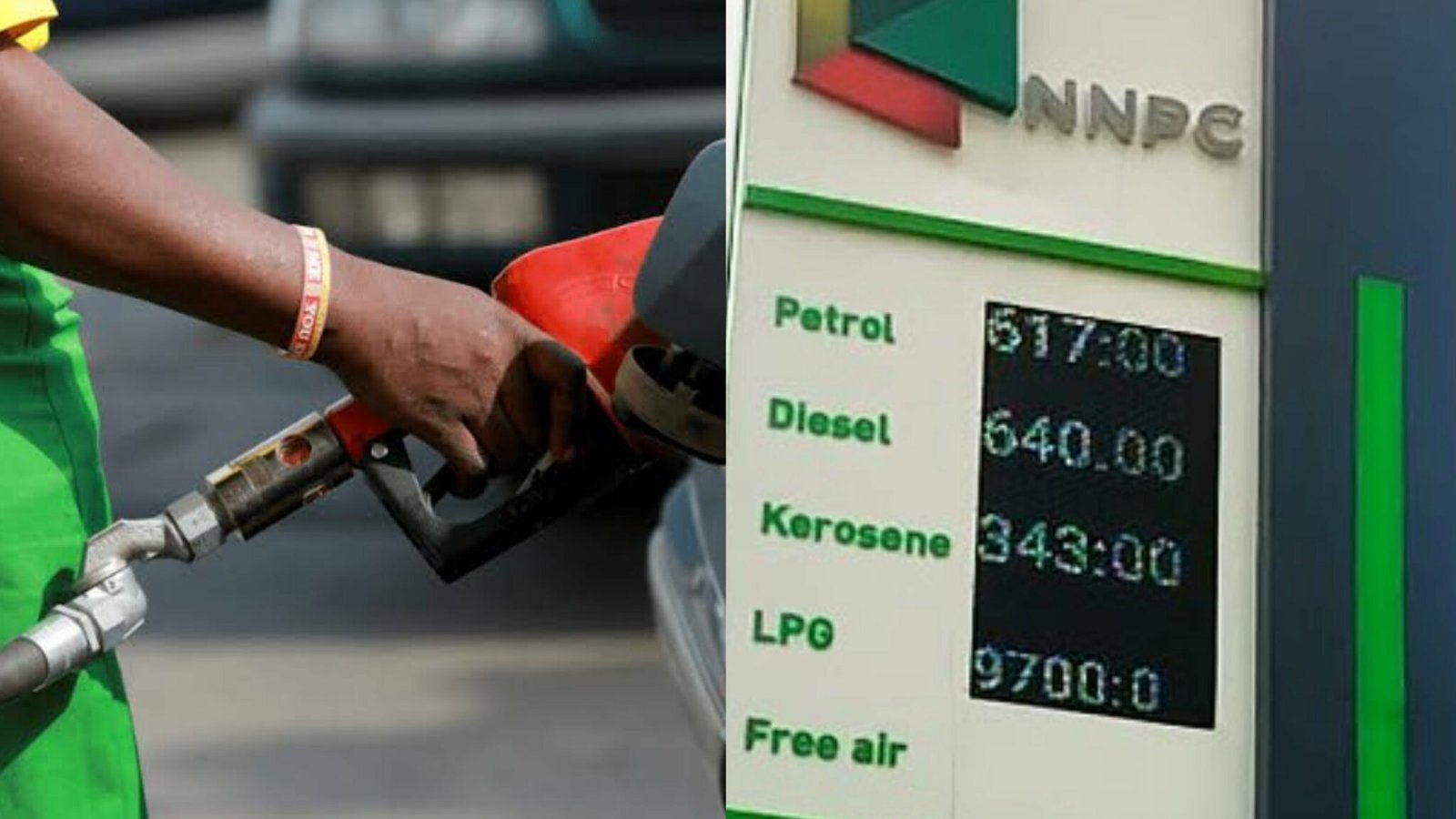
Dangote Petroleum Refinery and Petrochemicals has announced plans to reduce disparities in petrol prices across Nigeria by absorbing part of the cost of transporting its products from the Lekki refinery to markets nationwide.
The move is aimed at addressing the wide differences in pump prices between coastal areas and distant northern markets, where transportation costs often add significantly to the final price paid by motorists.

Vice President of Dangote Petroleum Refinery, Edwin Devakumar, disclosed the initiative during a media interaction with senior editors at the refinery complex on Friday.
Devakumar said the company is deploying additional trucks and subsidising transportation costs as part of efforts to expand the distribution of its petrol across the country.
He said the objective is to ensure that consumers in different parts of Nigeria would not face significant price variations simply because of their location.
Read also:
- Dangote Refinery IPO Oversubscription: What Happens If Demand Exceeds Available Shares?
- Dangote’s Fortune Surges Past $50bn as Refinery IPO Launches
“We are now actually trying to equalise the price, whether you want to buy in Sokoto, whether you want to buy in Kano or buy in Calabar. The price should be the same,” Devakumar said.»
He explained that the additional trucks were being deployed to support nationwide distribution while helping to reduce the financial burden associated with transporting petrol over long distances.
“That is why we brought all these trucks, so we can even subsidise the transport and ensure that there is a uniform price and distribution throughout the country,” he added.
According to Devakumar, the initiative is already beginning to have an impact, with the refinery seeking to extend its distribution network to more parts of the country.
He said transportation remains a major factor contributing to geographical differences in petrol prices, particularly between Lagos and markets located farther north.
The Dangote executive also maintained that petrol prices in Nigeria remained comparatively low against prices in some neighbouring countries, including nations along the West African coast.
The latest move by the refinery comes amid continued debate over petrol pricing, distribution costs and the effect of logistics on pump prices across Nigeria.
Related Stories:
Related Stories: