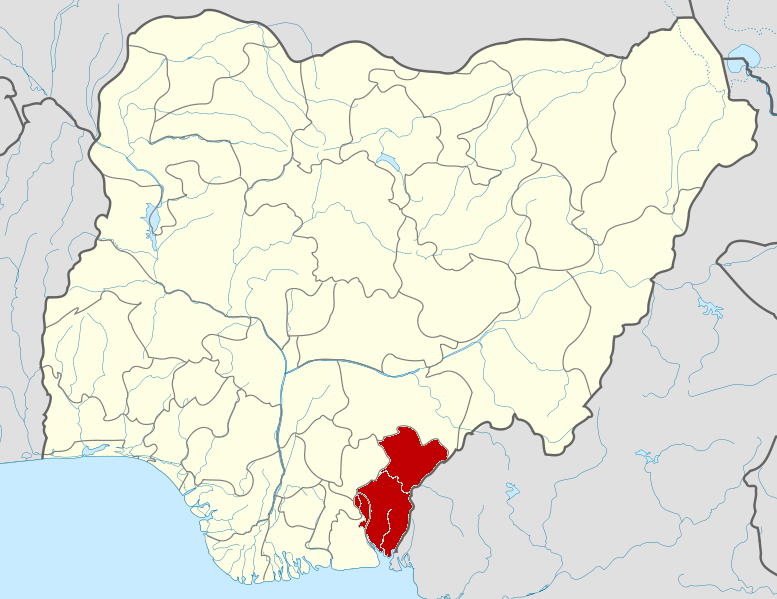
Cross River State has strengthened its preparedness for a possible Ebola outbreak with the training of 34 health workers on infection prevention and control, and water, sanitation and hygiene.
Key Highlights
- Cross River trains 34 health workers on Ebola infection prevention and control, and water, sanitation and hygiene.
- The training was held in Ikom LGA, which borders the Republic of Cameroon.
- Participants came from Ikom, Etung, Yakurr, Obubra and Boki LGAs.
- No Ebola case had been reported in the state at the time of the training.
- The exercise was supported by the WHO and NCDC.
The state Ministry of Health, in collaboration with the World Health Organization (WHO) and the Nigeria Centre for Disease Control and Prevention (NCDC), conducted the training in Ikom Local Government Area of the state.

The training in Ikom is significant because of its location along the border with the Republic of Cameroon.
It brought together surveillance officers, laboratory personnel and healthcare workers from the neighbouring local government areas of Etung, Yakurr, Obubra and Boki to improve their capacity for early detection, prompt reporting and appropriate response to suspected cases.
Commissioner Urges Residents To Stay Calm, Practise Hygiene
Speaking during the training, the state Commissioner for Health, Dr. Henry Egbe Ayuk, represented by the state epidemiologist, Dr. Inyang Ekpenyong, advised residents to avoid direct contact with the blood and other body fluids of anyone suspected or confirmed to have contracted the Ebola virus.
He also advised residents to remain calm, practise regular hand hygiene, and promptly seek professional medical advice if concerned about possible exposure or serious illness.
The commissioner commended the WHO and NCDC for their timely support, describing the exercise as an important step towards strengthening Ebola preparedness in Cross River State.
Ayuk, who disclosed that no Ebola case had been reported in the state at the time of the training, stressed the importance of building health workers’ capacity before an emergency occurs.
“Preparedness is essential to an effective public-health response. Equipping our health workers with the knowledge and skills to recognise and promptly report suspected cases will help ensure that the state is better positioned to respond to potential threats,” he stated.
Read also:
- NCDC Identifies 2 More Suspected Ebola Cases, Tracks 53 Contacts
- Ebola: NCDC Approves ₦100,000 Weekly Stipend For Contacts In Isolation
- Delta Steps Up Ebola Preparedness, Reviews Emergency Response Measures
WHO: Early Recognition Critical To Ebola Response
Representing the WHO Country Representative, Dr. Pavel Ursu, the lead facilitator, Dr. Edwin-Isotu Edeh, WHO National Technical Officer for Public Health and Environment, emphasised that early recognition, timely notification and strict adherence to infection prevention and control protocols were critical to an effective Ebola response.
The WHO Representative said: “Early recognition of suspected cases, prompt notification of the appropriate authorities and strict infection prevention practices are critical to an effective Ebola response.”
Ursu added that health workers must understand the procedures to follow to protect themselves, their patients and the wider communities.
He discussed the signs and symptoms of Ebola, its modes of transmission, relevant epidemiological developments and ongoing preparedness efforts.
For more health news and Ebola updates, follow us on X.