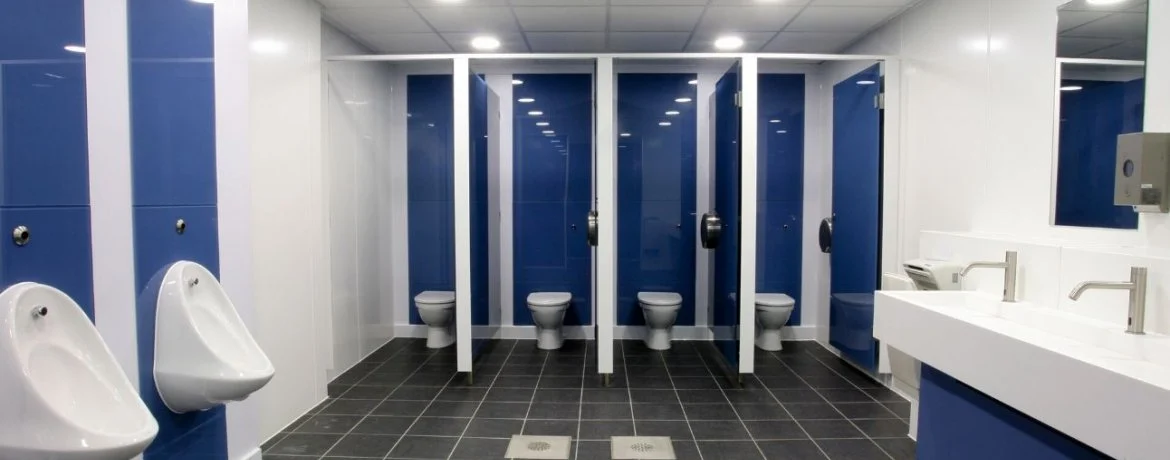
Public restrooms can make it harder for parents and caregivers to keep children in sight for a short time. Simple, age-appropriate precautions can help families manage bathroom breaks and teach children what to do if they feel unsafe or become separated.
Key Highlights
- Accompany young children into public restrooms whenever possible.
- Use a family or single-occupancy restroom when one is available and suitable.
- Agree with older children where to wait and what to do if you become separated.
- Teach children to check with their caregiver before going anywhere with another person.
- Encourage children to speak up and seek help from a trusted adult if they feel uncomfortable.
- Report immediate safety concerns to venue staff or security, and contact local authorities where necessary.
Keep Supervision Age-Appropriate
Every child’s needs are different. Parents should consider the child’s age, confidence, mobility and the layout of the facility when deciding whether to accompany them or wait nearby.

For younger children, going into the restroom together can make supervision easier. If an older child is ready to use a facility independently, a caregiver can agree to wait just outside, choose a clear meeting point and stay attentive until the child returns.
Family or single-occupancy restrooms may be a convenient option where available. They can allow a caregiver and child to use the same private space, though families should choose the arrangement that best fits the child and facility.
Teach Children Simple Safety Habits
Use calm, practical conversations rather than frightening warnings. Children can learn to stay with their caregiver, check before leaving with anyone and tell a trusted adult if an interaction makes them feel uncomfortable.
Parents can identify people who may be able to help inside a venue, such as uniformed security staff or a customer-service employee. If a child becomes separated, agree in advance that the child should stay in a staffed public area and ask an employee for help rather than leaving the building to search alone.
The U.S.-based National Center for Missing & Exploited Children recommends accompanying younger children to restrooms and planning ahead for outings. Its guidance is general child-safety information and does not measure the level of risk in Nigeria. See NCMEC’s KidSmartz safety resources for families.
Respond Calmly to Concerning Behaviour
If a caregiver observes behaviour that appears threatening or inappropriate, they can move with the child to a staffed area and notify venue management or security. If there is an immediate threat or a child is missing, contact local authorities promptly. Avoid confronting a person if doing so could increase danger.
Businesses, schools, parks and other public venues can support families with clear signage, well-lit spaces, family restroom options and staff who know how to respond to reports about a child’s safety.
Put Viral Claims in Context
Videos and posts shared online may not show the full circumstances of an incident. Unless a specific case is confirmed by reliable sources, it should not be presented as proof that abductions in public restrooms are increasing.
Stranger abduction is only one part of child safety. Children may also need help setting boundaries and speaking up when someone they know makes them uncomfortable. Ongoing, age-appropriate conversations can help children seek assistance without making them afraid of ordinary public places.
Read also:
- NAPTIP Rescues 6 Children Being Trafficked From Taraba To Oyo, Arrest Suspect
- Lagos Confirms Arrest Of Man Over Viral Toddler Abuse Video
Practical Preparation Helps
Parents can plan bathroom breaks, choose a meeting point in busy venues and keep their attention on the child while moving through crowded areas. The aim is steady supervision and clear communication, not alarm.
For more updates, follow us on X.