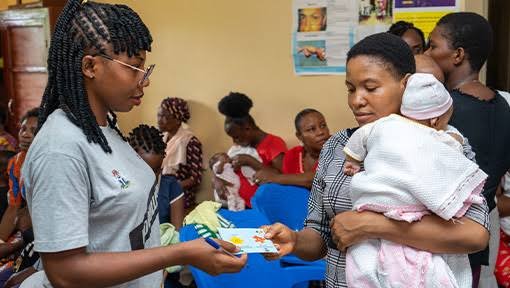
Taraba State is intensifying efforts to eliminate maternal and neonatal tetanus after six of its 16 local government areas were identified as high-risk for the preventable but potentially fatal disease.
Key Highlights
- Six Taraba LGAs have been identified as high-risk areas for maternal and neonatal tetanus.
- A statewide elimination campaign is scheduled for September 28 to October 2.
- The affected LGAs are Gashaka, Gassol, Lau, Ibi, Ussa and Sardauna.
- Health authorities will focus on vaccination, awareness and maternal and newborn healthcare.
- Traditional rulers, religious leaders, health workers and other community stakeholders are expected to support mobilisation.
- WHO warned that misinformation could undermine the vaccination campaign.
The affected local government areas are Gashaka, Gassol, Lau, Ibi, Ussa and Sardauna, which health authorities have identified as needing intensified interventions ahead of the statewide Maternal and Neonatal Tetanus Elimination (MNTE) campaign.

Taraba accounts for six of the 28 local government areas identified as high-risk for maternal and neonatal tetanus across the five states in Nigeria’s North-East region.
The development was disclosed at a stakeholders’ meeting held on Friday ahead of the campaign, scheduled to take place from September 28 to October 2.
The exercise is aimed not only at vaccination but also at addressing factors associated with maternal and neonatal tetanus, including limited access to antenatal care, inadequate skilled birth attendance, unsafe delivery practices, poor hygiene and gaps in immunisation coverage.
Campaign Targets Women and Newborns
Speaking at the meeting, Executive Secretary of the Taraba State Primary Healthcare Development Agency, Dr. Nuhu Tukura, said the campaign was part of efforts to protect pregnant women, women of reproductive age and newborns from tetanus.
According to Tukura, the campaign will focus on raising public awareness, strengthening immunisation coverage and improving access to maternal and newborn healthcare, particularly in underserved communities.
He said the success of the exercise would require the participation of health workers, traditional rulers, religious leaders and other community stakeholders to help reach eligible beneficiaries.
“The elimination initiative is aimed at ensuring that mothers and newborns are protected from tetanus infections associated with unsafe delivery and unhygienic practices,” Tukura said.
The World Health Organization says tetanus can be prevented through vaccination, while clean delivery and cord-care practices help prevent neonatal infections.
Campaign to Include Diphtheria Vaccination
The intervention will also include vaccination against diphtheria, according to Tukura, who said the exercise would provide an opportunity to strengthen protection against both vaccine-preventable diseases.
He stressed that eliminating maternal and neonatal tetanus would require sustained commitment and collaboration among government agencies, communities, health workers, development partners and the media.
The six high-risk LGAs span different communities and levels of access to healthcare. In areas where health facilities are distant or women have limited access to skilled care, stakeholders said the campaign’s success would depend on vaccine availability as well as effective community mobilisation.
Read also:
- Maternal Mortality: FG Targets 172 LGAs With Incentives To Save Mothers, Newborns
- Health Experts Raise Alarm Over Risks Of Home Birth Deliveries By Expectant Mothers In Adamawa
Traditional and Religious Leaders Urged to Mobilise
Programme Officer of Chigeri Foundation, Mohammed Sale, called for stronger collaboration with traditional and religious leaders to support the campaign.
Sale said community leaders could help build trust, address concerns and encourage eligible beneficiaries to participate in the exercise.
A WHO representative at the meeting also stressed the importance of effective communication, warning that misinformation could undermine the campaign. The representative called for clear and consistent messages to help eligible beneficiaries understand the purpose and benefits of the exercise.
Stakeholders urged the media to provide accurate information and address questions that could discourage residents from participating, particularly in areas where rumours may influence attitudes towards vaccination.
UNICEF Supports Taraba Tetanus Elimination Campaign
The stakeholders’ meeting brought together health-sector and community representatives, including leaders of the two major religious groups, traditional rulers, women’s associations and representatives of private schools across the state.
Participants pledged to support health authorities and development partners in mobilising communities and reaching eligible beneficiaries. The meeting was organised by the Taraba State Primary Healthcare Development Agency in collaboration with other partners, with support from UNICEF.
As the September 28 start date approaches, health authorities are expected to prioritise the identified high-risk communities. Stakeholders said that eliminating maternal and neonatal tetanus will require sustained action beyond the five-day campaign, including vaccination, hygienic delivery practices and continued community engagement.
For more updates, follow us on X.