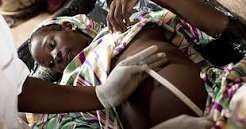
Health experts in Adamawa State have raised concerns over the continued practice of home delivery, warning that pregnant women, particularly adolescents could be exposed to life-threatening complications when they give birth outside health facilities.
Key Highlights
- Health experts in Adamawa State have warned against home deliveries, saying they can expose pregnant women—especially adolescents—to life-threatening complications.
- Skilled birth attendance is critical, as complications can arise suddenly during labour and require immediate medical intervention.
- The warning was issued at a media engagement in Yola organised by UNICEF and the Adamawa State Government under the EU-SARAH programme, with support from UNFPA.
- UNICEF Health Officer Oluseyi Olusunde urged community leaders, parents and other influential stakeholders to encourage pregnant women and adolescents to seek professional healthcare.
- Olusunde called for continuous investment in healthcare workers to ensure they can provide quality, accessible and youth-friendly services.
The experts stressed that childbirth should be attended by skilled healthcare professionals in properly equipped health facilities, where emergency services and other interventions can be provided promptly when complications occur.

The warning was issued during a one-day media engagement with journalists in Yola, organised by the United Nations Children’s Fund (UNICEF) in collaboration with the Adamawa State government under the European Union Strengthening Access to Reproductive and Adolescent Health (EU-SARAH) programme.
The programme is being implemented in Adamawa State with the support of UNICEF and the United Nations Population Fund (UNFPA), as part of efforts to improve reproductive, maternal and adolescent health services.
Speaking at the engagement, UNICEF Health Officer, Oluseyi Olusunde, called for greater involvement of community leaders, parents and other influential community gatekeepers in promoting adolescent health and encouraging pregnant women to seek professional medical care.
Olusunde said strengthening community participation was crucial to addressing practices and social barriers that prevent women and adolescents from accessing healthcare services.
He also called for continuous investment in the capacity of healthcare workers to enable them provide quality, accessible and youth-friendly services to adolescents and pregnant women.
On home birth delivery, Olusunde warned that the practice could have serious consequences, particularly when unexpected complications occur and trained health professionals or emergency medical services are not immediately available.
He explained that complications could develop suddenly during labour, making timely access to skilled medical intervention critical to saving the lives of both mothers and newborns.
“Allowing home delivery can be detrimental because health experts may not be available at that critical moment,” he said, stressing that delays in accessing emergency care could increase the risk to both the mother and unborn child.
He said the EU-SARAH initiative was part of broader efforts to promote safe delivery and expand young people’s access to appropriate reproductive and healthcare services.
Beyond access to services, Olusunde emphasised the need to create an environment where adolescents can discuss sensitive health matters freely and confidentially.
He said young people should be able to approach healthcare providers without fear of stigma, discrimination or judgment, noting that trust and confidentiality were essential to encouraging adolescents to seek timely professional advice.
According to him, empowering adolescents with accurate health information would also enable them make informed decisions about their health and seek medical attention when necessary.
The UNICEF official urged community stakeholders to work with healthcare providers to build trust and strengthen referral pathways, particularly for adolescents and pregnant women who may require specialised care.
Also speaking, the Executive Chairman of the Adamawa State Primary Health Care Development Agency (ADSPHCDA), Dr. Suleiman Bashir, said the media engagement was designed to strengthen public information and awareness on maternal and child health.
Read also:
- APC Chairman Marks 58th Birthday With Healthcare Projects at FMC Jalingo
- Recreational Park In Viral Social Media Video Is Privately Owned, Adamawa Government Clarifies
- Isoko South LG Chairman Highlights Achievements In Infrastructure, Education, Health
- Expert Predicts Nigeria Can End HIV/AIDS As Public Health Threath By 2030
- Resident Doctors Issue August 10 Strike Deadline, Threaten Nationwide Shutdown Over Unpaid Salaries, Allowances
- Plateau Orders Closure Of Public, Private Schools Over Diphtheria Outbreak
- Asaba Specialist Hospital Seeks WACS Accreditation for Residency Training
- Taraba Steps Up Maternal, Neonatal Tetanus Fight in Six High-Risk LGAs
n t
Bashir said effective dissemination of accurate health information was necessary to help communities understand the importance of antenatal care, skilled birth attendance and timely access to healthcare facilities.
He commended the collaboration between the Adamawa State government and development partners, describing it as an important avenue for strengthening healthcare delivery and improving maternal and child health outcomes across the state.
The ADSPHCDA chairman called for sustained collaboration among government agencies, development partners, healthcare workers, the media, traditional institutions and communities to address factors contributing to maternal and child deaths.
He maintained that reducing maternal and newborn deaths would require not only improved healthcare facilities but also stronger community awareness, early healthcare-seeking behaviour and collective action from stakeholders.
The experts’ warning comes amid renewed efforts to improve maternal and adolescent health services in the state, with stakeholders stressing that timely access to skilled healthcare remains critical to preventing avoidable deaths and complications during pregnancy and childbirth.
Related Stories: