
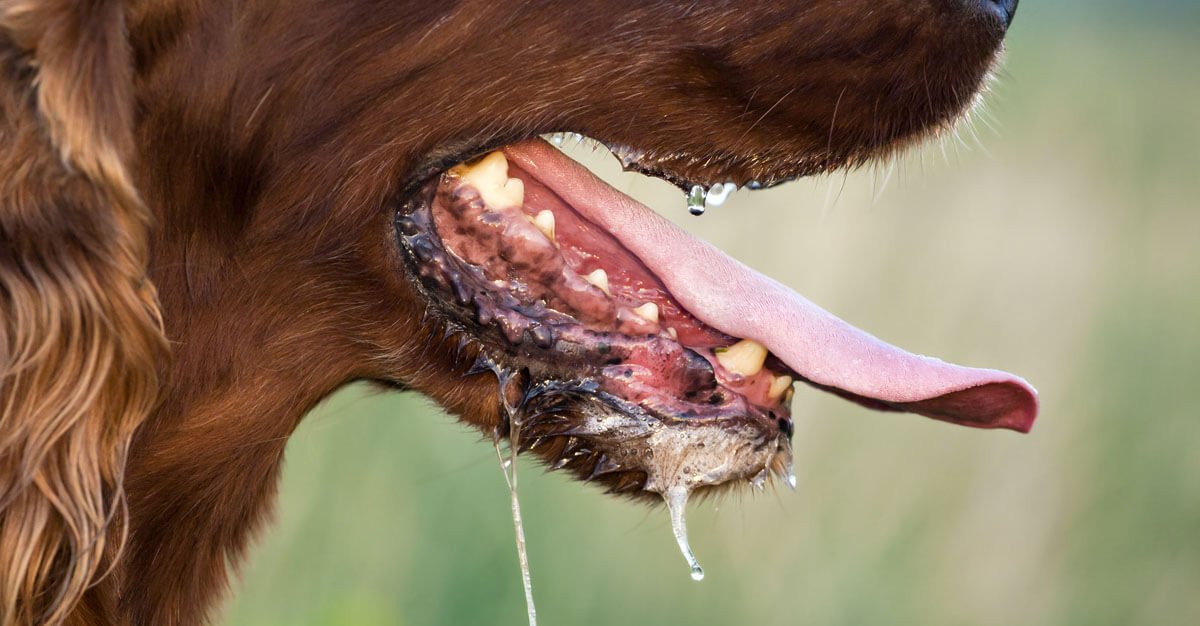
Nigeria is stepping up efforts to tackle rabies as dog-bite cases continue to pose a public health threat, with more than 100 rabies cases recorded between January and August 2026, according to the Federal Ministry of Livestock Development.
The figures were disclosed as Nigeria joins the rest of the world on Monday, September 28, to mark World Rabies Day 2026, with the theme, “Stronger Together.”

Key Highlights
- More than 100 rabies cases were recorded in Nigeria between January and August 2026.
- Between 18 and 20 states reported rabies cases in some months, according to the Federal Ministry of Livestock Development.
- The WHO says about 99 per cent of human rabies cases are linked to infected dogs.
- Nigeria is targeting the elimination of dog-mediated human rabies by 2030.
- The Federal Government is targeting vaccination of about 70 per cent of the country’s dog population.
- Prompt post-exposure treatment can prevent rabies deaths after exposure to the virus.
Nigeria Steps Up Rabies Prevention
The World Health Organisation (WHO) is using World Rabies Day to call for stronger cooperation among governments, communities, health workers and veterinary professionals in preventing and controlling the disease.
According to the Federal Ministry of Livestock Development, rabies cases have been reported across Nigeria, with between 18 and 20 states recording cases in some months.
The development has renewed concerns about dog vaccination, responsible pet ownership, disease surveillance and access to life-saving treatment for people exposed to potentially infected animals.
Rabies is a viral disease that affects the central nervous system. Once clinical symptoms develop, the disease is almost invariably fatal. However, deaths can be prevented when people exposed to the virus receive prompt and appropriate post-exposure treatment.
Dogs Linked to Majority of Human Rabies Cases
The WHO estimates that about 99 per cent of human rabies cases are linked to infected dogs, making vaccination and control of the dog population an important part of preventing human rabies deaths.
Health and veterinary experts have therefore continued to stress the need for sustained action against the disease beyond annual awareness campaigns and commemorative activities.
They have called for sustained mass vaccination of dogs, responsible animal ownership, effective disease surveillance and prompt reporting of suspected rabies cases.
Experts have also emphasised the need to improve access to post-exposure prophylaxis (PEP) for people who have been bitten or otherwise exposed to potentially infected animals.
Read also:
- Diri Inaugurates 18-Member Committee for Bayelsa Cancer Treatment Centre
- Taraba Steps Up Maternal, Neonatal Tetanus Fight in Six High-Risk LGAs
- Specialist Warns Against Chemical Fruit Ripening in Nigeria
- Free Fistula Surgery Outreach Targets Women, Girls in Taraba
Nigeria Targets Rabies Elimination by 2030
The Federal Ministry of Livestock Development has set a target of eliminating dog-mediated human rabies in Nigeria by 2030.
The strategy includes efforts to vaccinate about 70 per cent of the country’s dog population, alongside measures aimed at strengthening surveillance, prevention and public awareness.
As Nigeria marks World Rabies Day, health authorities and veterinary professionals continue to emphasise that rabies is preventable when effective measures are taken before symptoms develop.
For people exposed to a potentially rabid animal, prompt medical attention and appropriate post-exposure treatment remain critical to preventing the disease from becoming fatal. For more health updates, follow us on X.