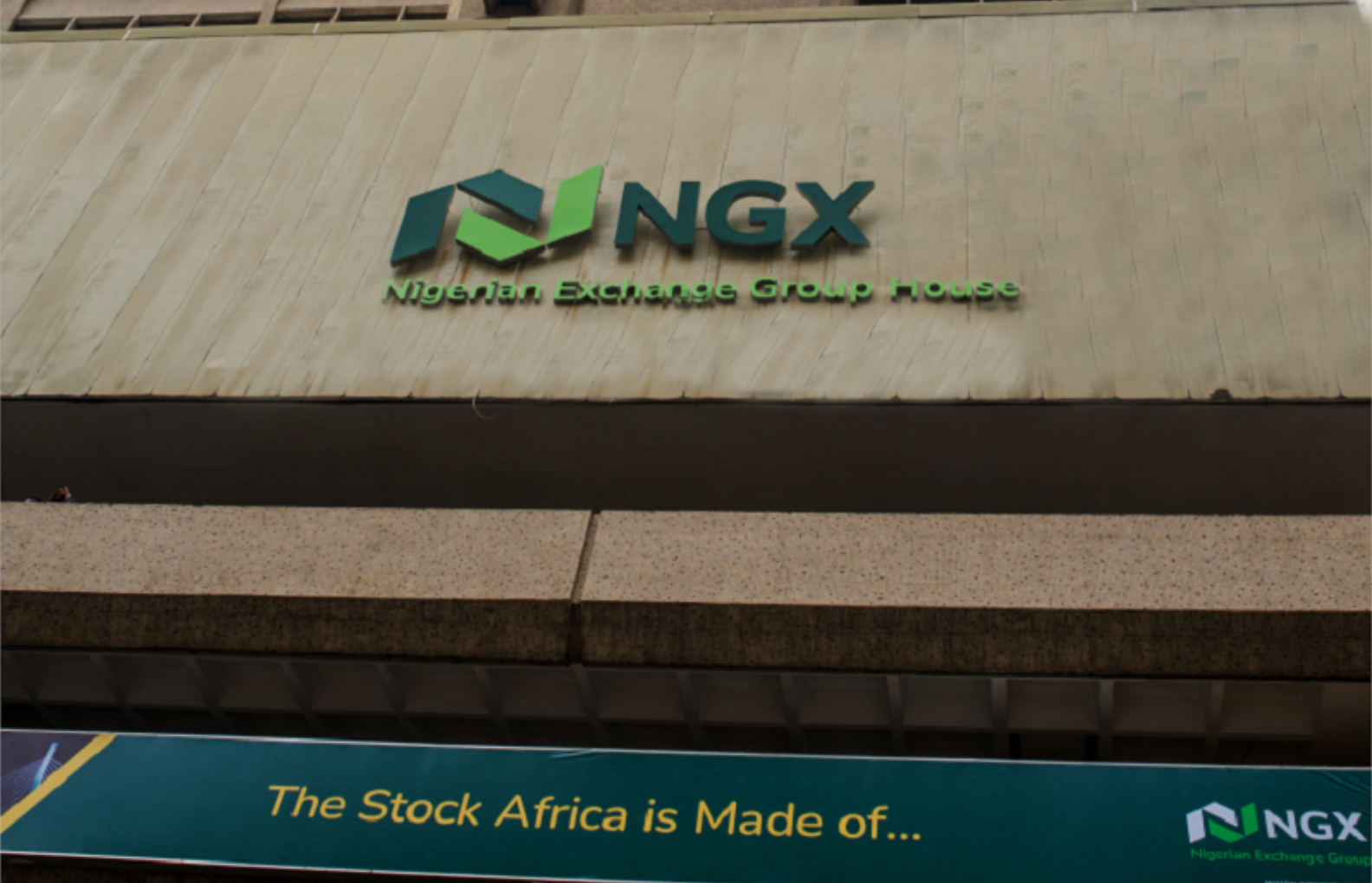
Nigeria’s stock market has emerged as the world’s best-performing equity market in U.S. dollar terms, delivering a remarkable 67 per cent return as of July 10, according to the Nigerian Exchange Group (NGX Group). However, analysts warn that despite the impressive rally, sustained foreign investment may remain constrained by market classification uncertainty, settlement reforms and high domestic interest rates.

Key Highlights:
- Nigeria records the World’s Best Stock Returns with a 67% dollar gain.
- FTSE Russell’s review of Nigeria’s Frontier Market status may delay foreign institutional inflows.
- New SEC T+1 settlement rule could discourage some overseas investors.
- High interest rates may shift investor preference toward government securities.
- Analysts say long-term foreign investment depends on policy stability and market confidence.
According to EBC Financial Group, Nigeria has made significant progress in rebuilding investor confidence, but attracting long-term foreign capital will depend on improvements in market infrastructure, exchange rate stability and consistent regulatory policies.
David Precious, Senior Market Analyst at EBC Financial Group, said global index-linked funds may postpone investments until Nigeria’s market classification is clarified.
“Index-linked funds may wait for Nigeria’s inclusion before buying, while the one-day settlement deadline could encourage other foreign investors to hold naira earlier or place smaller orders,” he said.
Read Also:
- Europe’s Mega-Cap Companies Rank: ASML Tops List As AI Boom Reshapes Europe’s Corporate Giants
- State Police: A Welcome Reform, But Nigerians Deserve Answers
- United Nigeria Airlines Expands Fleet With Two Boeing 737-800NG Aircraft, Honours Chinua Achebe, Obi of Onitsha
The NGX attributed the strong dollar-denominated return to a combination of rising equity prices and a four per cent appreciation of the naira. While this enhanced investor returns, analysts cautioned that strong market performance alone does not necessarily indicate robust foreign capital inflows or corresponding growth in corporate earnings.
FTSE Review May Delay Foreign Investment
Market sentiment has also been influenced by FTSE Russell’s decision to place Nigeria’s planned reclassification from Unclassified to Frontier Market under review. The move has prompted many index-tracking funds to delay investment decisions until the review is concluded.
Similarly, S&P Dow Jones Indices has placed Nigeria on its 2027 watchlist for a possible upgrade from Standalone to Frontier Market, signalling that investors may continue adopting a wait-and-see approach.
T+1 Settlement Raises Currency Risk
The Securities and Exchange Commission’s introduction of the T+1 settlement cycle requires trades to be settled within one business day, reducing the time foreign investors have to convert foreign exchange into naira.
Analysts say the shorter settlement period could increase currency exposure, prompting offshore investors to reduce trade sizes or hold naira balances ahead of transactions.
High Interest Rates Compete With Equities
Nigeria’s benchmark Monetary Policy Rate remains at 26.5 per cent, making Treasury bills, government bonds and fixed-income instruments increasingly attractive relative to equities.
EBC noted that while high interest rates support fixed-income returns, they also raise borrowing costs for businesses, potentially slowing corporate expansion and earnings growth.
The report further observed that about 95 per cent of Nigeria’s first-quarter foreign investment was directed into financial assets rather than long-term productive investments, underscoring concerns about the sustainability of capital inflows.
Despite the record-breaking performance, analysts maintain that continued foreign participation will depend on favourable index decisions, efficient market infrastructure, stable exchange rates and supportive monetary policy.
“Nigeria’s stock market has delivered one of the world’s strongest returns. Whether that performance translates into sustained foreign investment will depend on index decisions, payment infrastructure and interest rates moving in the right direction,” Precious added.