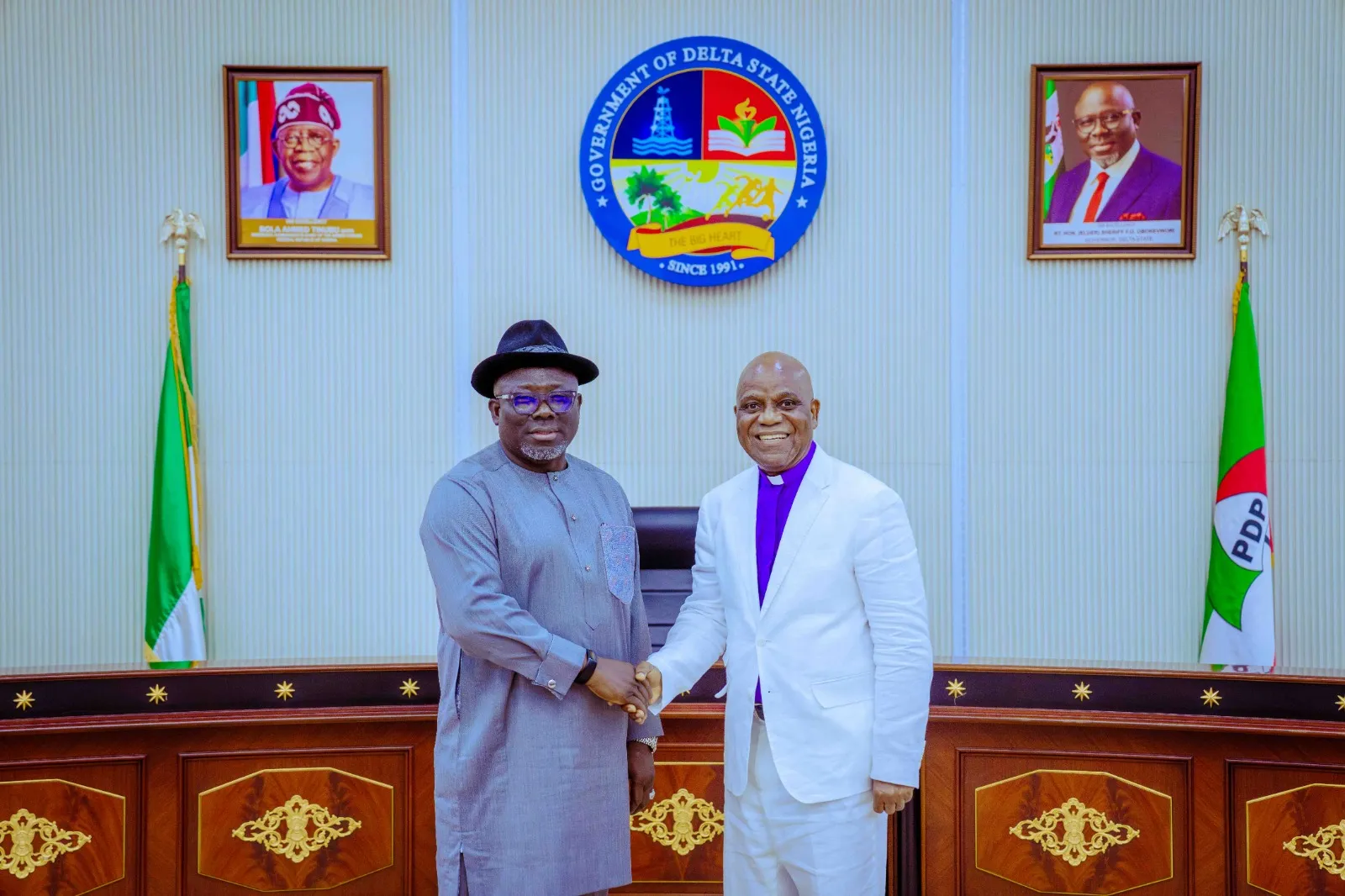
Bishop Kingsley Enakirerhi, Founder of Heroes of Faith Ministry and former President of the Pentecostal Fellowship of Nigeria (PFN), Delta State Chapter, has urged the Urhobo people to learn from what he described as the Yoruba culture of respecting and supporting their leaders, blaming what he called widespread arrogance and disregard for authority among Urhobos for the area’s slow pace of development.
Latest: Ughelli news today: latest updates from Ughelli, Delta State

The cleric made the remarks during a sermon in which he compared leadership attitudes among the Urhobo and Yoruba, arguing that respect for people in positions of authority, regardless of their age, could contribute to community development and stronger institutions.
Key Highlights
- Bishop Kingsley Enakirerhi has blamed what he described as arrogance and poor support for leadership among Urhobos for the area’s slow development.
- He urged the Urhobo people to learn from the Yoruba approach to respecting and supporting leaders.
- The bishop cited prominent Yoruba-founded churches, including Winners Chapel, RCCG and Mountain of Fire Ministries.
- He also compared development in Asaba and Ughelli, questioning the pace of growth in the Urhobo city.
- Enakirerhi called for greater unity, humility and collective responsibility among Urhobos.
Bishop Enakirerhi Cites Yoruba Respect for Leadership
Enakirerhi said the Yoruba people’s willingness to respect leaders, irrespective of their age, had contributed to the development of their communities and institutions.
He cited prominent Christian ministries founded by Yoruba leaders, including Winners Chapel, the Redeemed Christian Church of God (RCCG) and Mountain of Fire Ministries, as examples of institutions whose growth, in his view, reflected loyalty, humility and respect for leadership.
The bishop also referred to the Yoruba people’s attitude towards President Bola Tinubu, suggesting that they were less inclined to publicly criticise his administration compared with members of some other ethnic groups.
“Even though he is your son, once he becomes a leader, you respect him,” he said, arguing that people should recognise the authority attached to leadership positions regardless of age or personal relationships.
Contrasting this with what he described as the Urhobo experience, Enakirerhi criticised what he considered a pattern of arrogance and failure to support indigenous leaders.
“We here in Urhobo are very arrogant. That’s why we are where we are. We don’t know how to respect and follow leaders,” he declared.
Bishop Recalls Story About Pastor Adeboye
To illustrate his point about loyalty to respected leaders, Enakirerhi recalled an encounter with a pastor in the United States who reportedly told him that he would rather clean up an embarrassing situation involving Pastor Enoch Adeboye than allow it to bring shame to the cleric and the Redeemed Christian Church of God.
According to the bishop, the account demonstrated the level of loyalty and commitment with which some people protect leaders and institutions they respect.
He urged Urhobos to develop a similar sense of responsibility towards their leaders and institutions.
Enakirerhi Uses Ethnic Illustration to Question Urhobo’s Economic Position
The bishop also recalled an ethnic illustration that portrayed the Yoruba man holding a biro, the Igbo man counting money, the Hausa man carrying a gun and cutlass, while the Urhobo man was depicted drinking ogogoro and smoking Indian hemp.
Explaining the illustration, he said:
“So the Yoruba man is using biro to sign our resources away, the Igbo man is counting the money into his pocket, while the Hausa man comes with cutlass and gun and says the oil well does not belong to you. Take this token, buy ogogoro to drink and smoke hemp and let us take the resources.”
Enakirerhi said the illustration highlighted what he considered the need for Urhobos to become more strategic, united and committed to protecting their economic and political interests.
He argued that internal divisions and a lack of support for leadership could weaken the community’s ability to defend its collective interests.
Read also:
- Urhobo Youths Demand Public Apology From Reuben Abati Over ‘Urhobo Orator’ Remark
- RCCG Festival of Champions 09: Adeboye, Nathaniel Bassey, Mercy Chinwo Set for Three-Day Effurun Gathering
- 2027 Elections: Ukodo Nation Convener Promises 100% APC Votes In Ughelli North
Bishop Questions Development Gap Between Asaba and Ughelli
The cleric also compared the development of Asaba, the Delta State capital, with that of Ughelli, an important urban centre in Urhobo land.
He questioned why Ughelli had not experienced a similar level of physical development, despite what he considered its potential to become a major urban centre.
“Go to Asaba, it used to be just one street, but today, there are roads and streets everywhere. Meanwhile, look at Ughelli. Ughelli was supposed to be the headquarters, but look at how it is today,” he said.
Enakirerhi attributed the difference partly to what he described as the failure of the Urhobo people to respect, encourage and work with their leaders.
He maintained that community development required collective responsibility and an environment in which people in positions of authority could exercise their responsibilities and deliver on their mandates.
Enakirerhi Calls for Unity and Support for Urhobo Leaders
The bishop urged Christians and the wider Urhobo community to embrace humility, loyalty and constructive support for leadership.
He advised the people to stop undermining their leaders and instead work towards building institutions and communities capable of advancing their collective interests.
“Follow him. Follow well,” he charged.
His message centred on the need for greater unity, respect for leadership and collective commitment to the development of Urhobo communities.
For more news from Delta State and beyond, follow us on X.