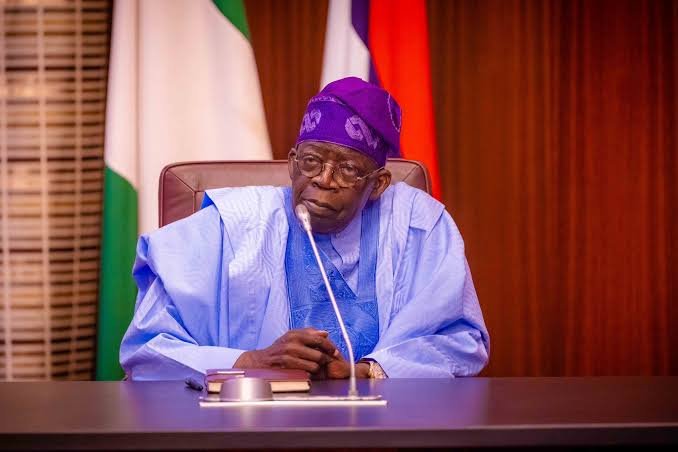
President Bola Ahmed Tinubu remains the single most-discussed figure in Nigerian politics, and searches for Tinubu, Tinubu news today and Tinubu latest news spike almost daily as his administration pushes through economic reforms, reshapes the cabinet and gears up for the 2027 election. This guide pulls together everything currently shaping the conversation — from the Tinubu presidency’s flagship policies to the latest cabinet changes and the emerging 2027 battle lines — so you have one place to catch up on Tinubu latest news today.
Key Highlights
- President Tinubu’s tax reform laws took full effect on January 1, 2026, consolidating Nigeria’s tax system despite opposition pushback.
- A cabinet reshuffle elevated Taiwo Oyedele to Finance Minister, replacing Wale Edun, as part of a broader push to sharpen economic delivery.
- The Nigerian Army is being expanded by four new divisions and 28,000 personnel under a two-phase restructuring running through 2026.
- The APC has formally endorsed Tinubu as its sole 2027 presidential candidate amid a wave of opposition defections to the ruling party.
- Opposition figures including Atiku Abubakar, Peter Obi and Nasir El-Rufai are working to build a coalition, via the ADC and a proposed new party, to challenge Tinubu in 2027.
- Economic officials say reforms are showing early signs of stabilising the economy, even as the cost-of-living crisis remains the opposition’s central argument.
Who Is President Tinubu? A Quick Recap
Bola Ahmed Tinubu was sworn in as Nigeria’s president in May 2023 after a long political career that included two terms as Governor of Lagos State. Since taking office, President Tinubu has positioned his government around what it calls the Renewed Hope Agenda — a mix of subsidy removal, foreign exchange unification, tax overhaul and infrastructure expansion designed to reset Nigeria’s fiscal foundations. First Lady Senator Oluremi Tinubu and Vice President Kashim Shettima round out the leadership team that regularly features in Tinubu news today.

Tinubu Presidency And Administration: What’s Happening Now
The Tinubu administration has kept a busy public calendar in recent weeks. The presidency has issued a string of statements from the President — congratulating officials on birthdays and honours, mourning the death of the Emir of Gumel, and marking commendations that form part of the day-to-day rhythm of the presidency, according to statements published by the Presidency.
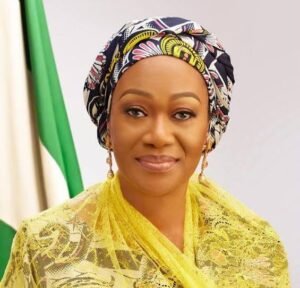
On the family front, First Lady Oluremi Tinubu is set to make her first official visit to Anambra State, where she is expected to commission projects at the Federal Polytechnic, Oko, and empower thousands of residents under her Renewed Hope Initiative poverty-reduction programme — a sign of how the Tinubu administration is using state-level engagement to reinforce its national messaging.
On security, the administration has approved a major restructuring of the Nigerian Army, creating four new divisions — in Makurdi, Ilorin, Jalingo and Benin City — and authorising the recruitment of 28,000 additional personnel. The move is intended to decentralise command, tighten border security and speed up the military’s response to insurgency and other internal threats, and it is being delivered in two phases running through 2026.
The President also recently took a three-week working vacation in Europe, beginning in London, with aides framing the break as preparation for the demanding campaign season ahead of the 2027 election.
Tinubu Economy: Reforms, Growth And The Cost-Of-Living Debate
Few topics generate as much search interest as Tinubu economy and Tinubu policies. The administration’s signature moves — removing the petrol subsidy and unifying the exchange rate — triggered sharp economic shocks in late 2023 and 2024, but officials now argue the economy is turning a corner.
Presidential economic adviser Tope Fasua has pointed to easing inflation, bank recapitalisation, stock market growth and rising insurance-sector investment as evidence the reforms are paying off, while urging the government to shift focus from crisis management toward productivity and value addition. Vice President Shettima has separately credited the administration’s reforms with helping homegrown companies — citing firms like Flutterwave, Moniepoint and Andela — scale into globally recognised brands. Officials have signalled they intend to “stay the course” on reform policy heading into the 2027 election rather than reverse direction.
That said, the cost-of-living squeeze remains the opposition’s central talking point, with critics arguing that everyday Nigerians are still absorbing the pain of subsidy removal and currency reform faster than they are seeing the promised gains.
Tinubu Tax Reform: Where Things Stand
Tinubu tax reform has been one of the most consequential — and contested — planks of the administration’s economic programme. In June 2025, the President signed four landmark tax bills into law: the Nigeria Tax Act, the Nigeria Tax Administration Act, the Nigeria Revenue Service (Establishment) Act and the Joint Revenue Board (Establishment) Act. Together, they consolidate Nigeria’s fragmented tax system, aim to cut multiple taxation, and give the country a more unified revenue administration framework.
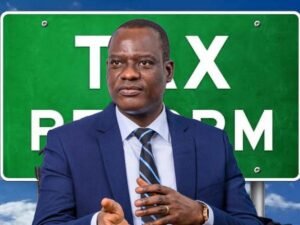
Despite pressure from opposition figures, labour groups and some legal professionals to delay implementation over concerns about the final text of the laws, President Tinubu confirmed the reforms would proceed as scheduled from January 1, 2026, describing them as a “once-in-a-generation opportunity” to build a fairer and more competitive fiscal system rather than a simple tax hike. Presidential fiscal policy committee chairman Taiwo Oyedele — who has since been elevated to Finance Minister — has been a leading voice defending the timeline and pushing universities and state governments to support the harmonisation drive. A year on from the signing, government officials point to improved tax administration, wider use of technology and continued GDP growth as early evidence the reforms are taking hold.
Tinubu Subsidy Removal: The Policy That Started It All
The removal of the petrol subsidy on Tinubu’s first day in office in May 2023 remains the reform most associated with his presidency. It has been credited with freeing up government revenue and is frequently cited alongside foreign exchange unification as the twin shocks that reshaped Nigeria’s economy in 2023–2024. Officials continue to frame subsidy removal as a necessary, if painful, step toward long-term fiscal stability, while labour unions and opposition figures continue to press the government to translate the savings into visible relief for citizens.
Tinubu Cabinet And Ministers: Recent Changes
Cabinet composition is a recurring theme in Tinubu cabinet and Tinubu ministers searches, and the Federal Executive Council has seen several rounds of change. A major reshuffle saw five ministers exit the cabinet, seven new ministers appointed and ten redeployed to different portfolios — bringing appointees such as Dr Jumoke Oduwole (Industry, Trade and Investment), Bianca Odumegwu-Ojukwu (Minister of State, Foreign Affairs) and Dr Nentawe Yilwatda (Humanitarian Affairs and Poverty Reduction) into the government, and lifting the cabinet to 48 ministers.
More recently, a targeted reshuffle removed Wale Edun as Minister of Finance and Coordinating Minister of the Economy, elevating Taiwo Oyedele — architect of the tax reforms — into the role, while Ahmed Musa Dangiwa exited the Housing and Urban Development Ministry in favour of ministerial nominee Muttaqha Rabe Darma. The Secretary to the Government of the Federation, George Akume, described the changes as an effort to strengthen “cohesion and synergy in governance” and sharpen delivery on the economy ahead of the 2027 campaign.
Read also:
- South South Governors To Engage Tinubu On Infrastructure, Environmental Development Concerns
- Imansuangbon Backs Atiku’s Border Policy, Blames Tinubu Reforms For Economic Pains
- NDYN National President Appeals To Tinubu To Increase PAP Fund
- NELFUND Dismisses Claim Tinubu Has Approved Life Jail For Loan Defaulters
- Thousands Defect To APC In Kano, Back Tinubu, Governor Yusuf
- APC Chieftain Vows To Deliver 100% Votes For Tinubu In Bayelsa East
- Kano APC Supporters Protest Over N3,000 Rally Payment In Viral Video
- Peter Obi: My Record in Anambra Shows I Can Improve Nigeria in 2027
Tinubu APC And The Party Machine
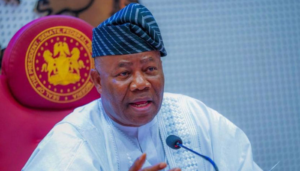
Within the ruling All Progressives Congress, President Tinubu’s position looks firmly secured. APC leadership caucuses — including Senate President Godswill Akpabio and Speaker Tajudeen Abbas — have formally endorsed Tinubu as the party’s sole candidate for the 2027 presidential election, following earlier endorsements from the party’s state governors. The APC has also benefited from a wave of defections from rival parties, which the party frames as evidence of Tinubu’s growing political dominance, even as critics call the endorsement drive a bid to discourage internal competition.
Tinubu 2027 And The 2027 Election Landscape
Tinubu 2027 and Tinubu 2027 election are now among the fastest-growing search themes as campaign season approaches. With the APC united behind the President, most of the drama is unfolding in the opposition camp. Former Vice President Atiku Abubakar, ex-Labour Party candidate Peter Obi, and former Kaduna State Governor Nasir El-Rufai have all been linked to efforts to build a single opposition coalition capable of challenging the APC, with the African Democratic Congress (ADC) emerging as one vehicle for that effort and a bid to register a new party, the All Democratic Alliance, also underway.
APC figures have repeatedly dismissed the coalition talk as fragmented and unlikely to coalesce around one credible candidate, pointing to the party’s growing numbers and Tinubu’s record in office. Opposition voices, meanwhile, argue that rising living costs, insecurity and economic hardship under the Tinubu administration give them a real opening — though the coalition has yet to settle on a single presidential candidate or resolve internal disagreements over how to zone the ticket. Diaspora structures are also mobilising: APC campaign councils abroad, including in the UK, have begun organising to support Tinubu’s re-election bid.
Tinubu Latest Speech And Statement Highlights
President Tinubu frequently uses personally signed statements to set the tone on major policy questions — from confirming the January 2026 tax law start date to congratulating officials, mourning traditional rulers, and marking national and personal milestones. These statements, often released through aides such as Special Adviser Bayo Onanuga, are a reliable source for Tinubu latest speech and Tinubu latest statement coverage, and tend to double as signals of the administration’s next policy or political move.
Frequently Asked Questions
What is President Tinubu’s current focus?
Consolidating the economic reform agenda — tax implementation, exchange rate and subsidy-related stabilisation — while positioning for the 2027 re-election campaign.
Who are Tinubu’s key economic officials right now?
Finance Minister and Coordinating Minister of the Economy Taiwo Oyedele, presidential economic adviser Tope Fasua, and Vice President Kashim Shettima are among the most visible voices on economic policy.
Is Tinubu running in 2027?
Yes. The APC has formally endorsed him as its sole candidate for the 2027 presidential election.
Who might challenge Tinubu in 2027?
Opposition figures including Atiku Abubakar, Peter Obi and Nasir El-Rufai are involved in coalition-building efforts, with the ADC and a proposed new party (the All Democratic Alliance) among the vehicles being discussed.
This article is The Trumpet’s cornerstone guide to the Tinubu presidency and will be updated as the cabinet, economy and the 2027 election race develop. For real-time updates, follow us on X.
Related Stories: