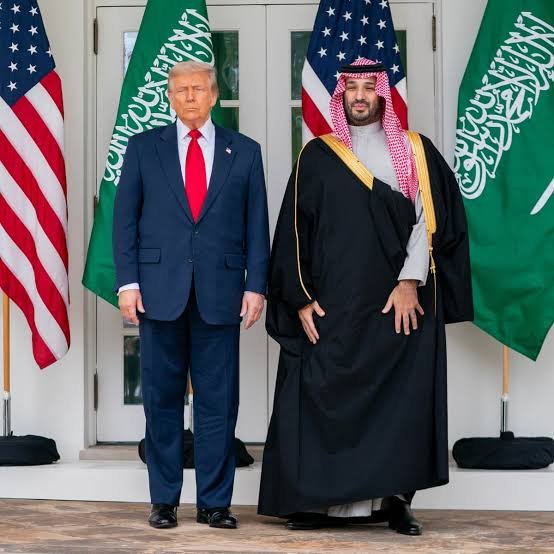
The United States and Saudi Arabia have signed a landmark civilian nuclear cooperation agreement, marking a significant step in bilateral relations while intensifying global debate over nuclear proliferation and strategic stability in the Middle East.
Key Highlights
- US and Saudi Arabia sign landmark civilian nuclear cooperation agreement.
- Deal establishes the legal framework for long-term nuclear energy collaboration.
- Agreement could pave the way for Saudi Arabia to develop domestic uranium enrichment capabilities.
- US says safeguards will ensure compliance with international nuclear safety and non-proliferation standards.
- Pact awaits review by the US Congress before full implementation.
The agreement, described by the US Department of Energy as a “peaceful nuclear cooperation agreement,” is expected to strengthen decades of collaboration in civilian nuclear energy while creating substantial commercial opportunities for American companies participating in Saudi Arabia’s emerging nuclear power sector.

Although the full details of the agreement have not been released, reports suggest it could eventually permit Saudi Arabia to enrich uranium domestically. While enriched uranium is essential for generating civilian nuclear power, experts note that the technology could also be adapted for military purposes, raising concerns among non-proliferation analysts.
The US Department of Energy said the agreement includes a bilateral safeguards framework designed to ensure the programme complies with international nuclear safety, security and non-proliferation obligations.
According to the department, the pact establishes the legal foundation for a multi-billion-dollar partnership aimed at advancing energy security, economic growth and long-term strategic cooperation between Washington and Riyadh.
Saudi Arabia welcomed the agreement, describing it as a natural extension of its growing energy partnership with the United States following Crown Prince Mohammed bin Salman’s recent engagement with Washington.
The agreement comes amid heightened geopolitical tensions in the Middle East, with the United States and its allies maintaining pressure on Iran over its nuclear programme. Washington and Israel have consistently stated that preventing Iran from acquiring nuclear weapons remains a key regional security objective, while Tehran continues to insist its nuclear programme is exclusively for peaceful purposes.
Read also:
- Trump defends Saudi crown prince over Khashoggi killing
- Iran-US Nuclear Talks: Araghchi Says Diplomacy Worth Pursuing Despite Slim Chances Of Success
- UN Calls For Tough Nuclear Verification Measures In Iran, Says Agreement Alone Not Enough
- US Marks 250 Years Of Independence With Nationwide Celebrations
- Iran Closes Strait Of Hormuz, Launches Fresh Strikes on US Bases As Tensions Escalate
- Ex-porn Star Amaranta Wins Colombian Senate Seat
- Nigerian-Born Lobbyist Karl Von Batten Appointed to Trump’s White House Commission
The prospect of Saudi Arabia developing uranium enrichment capabilities has nevertheless generated renewed debate among nuclear experts, some of whom warn it could increase long-term proliferation risks in the region.
US Energy Secretary Chris Wright defended the agreement, saying it promotes the highest standards of nuclear safety while strengthening American technological leadership, regional security and energy cooperation.
The agreement will now be submitted to the US Congress for review, where lawmakers are expected to closely examine its strategic, commercial and non-proliferation implications.
If approved, the pact could reshape US-Saudi strategic relations, expand investment opportunities in Saudi Arabia’s civilian nuclear sector and significantly influence the geopolitical balance in the Middle East.