
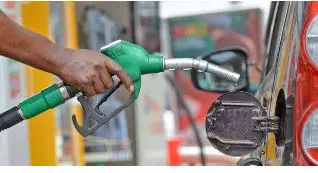
The pump price of Premium Motor Spirit (PMS), popularly known as petrol, has risen to as high as N1,230 per litre in parts of Nigeria, following a fresh upward adjustment driven by foreign exchange pressures and increasing global crude oil prices.
The latest increase comes as petroleum marketers grapple with higher replacement costs, which industry stakeholders attribute to the Dangote Petroleum Refinery’s dollar-denominated sales and the recent surge in international oil prices amid renewed geopolitical tensions in the Middle East.

Market checks indicate that petrol is now selling between N1,100 and N1,230 per litre, depending on the location, while prices at private depots have risen to between N1,185 and N1,245 per litre, raising fears that retail prices could climb further.
Industry operators say the strengthening of the US dollar, coupled with higher crude oil prices, has significantly increased the cost of importing and distributing petroleum products.
They also argue that the refinery’s decision to transact with marketers in dollars has added to the financial burden on independent fuel dealers.
The Petroleum Products Retail Outlets Owners Association of Nigeria (PETROAN) has urged regulators to ensure a competitive pricing environment, warning against allowing a single market player to dictate fuel prices.
PETROAN National President, Dr Billy Gillis-Harry, said a transparent and competitive downstream sector is essential to protect consumers from frequent price fluctuations and maintain market stability.
Read also:
- PETROAN warns fuel prices may surge further over Iran war
- Dangote Refinery hikes petrol price by N101 amid global crude volatility
- FG approves petrol price hike across the country
Meanwhile, the Dangote Petroleum Refinery has dismissed reports suggesting it temporarily suspended fuel loading operations, insisting that production and product distribution continue without interruption.
Across major cities, including Abuja, Port Harcourt, Kaduna, Enugu, Benin, Ilorin and Sokoto, filling stations remain adequately supplied, although motorists are paying considerably more than they did just weeks ago.
While there has been no widespread panic buying, transport operators and commuters have expressed concern that the latest fuel price hike will trigger higher transport fares and increase the cost of goods and services nationwide.