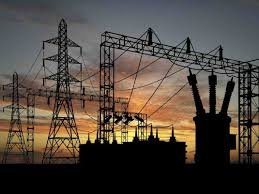
Nigeria’s electricity problem is no longer simply a question of increasing power generation. While several major projects are currently underway, stakeholders say the real challenge is ensuring that these investments translate into measurable improvements in electricity supply for households and businesses.
Key Highlights:
Experts say Nigeria’s electricity problem goes beyond power generation
Major projects including OB3, AKK, ELPS expansion, and Siemens upgrades are ongoing
Calls grow for clear project timelines and accountability mechanisms
Analysts advocate recapitalisation of electricity distribution companies (DisCos)
Concerns persist over regulatory enforcement and consumer protection
Nigeria targets 8,000MW electricity generation by 2027

Industry observers acknowledge that significant efforts are being made to improve the power sector through projects such as the OB3 Gas Pipeline, the Ajaokuta-Kaduna-Kano (AKK) Gas Pipeline, expansion of the Escravos-Lagos Pipeline System (ELPS), transmission infrastructure upgrades, Siemens-backed power initiatives, and the emergence of state electricity markets.
However, concerns remain that many projects have spent years in the implementation phase without delivering the expected benefits to consumers.
Critics argue that ongoing projects should not be viewed as achievements in themselves, especially when some infrastructure initiatives remain near completion for extended periods without becoming fully operational.
According to power sector stakeholders, every major electricity project should have clearly defined completion dates, publicly available milestones, and accountability measures to ensure timelines are met.
Calls for Review of Power Sector Privatisation
One of the major issues frequently raised in discussions surrounding Nigeria’s electricity problem is the performance of electricity distribution companies (DisCos).
Some experts believe the privatisation exercise may require a comprehensive review, including a mandatory recapitalisation programme similar to the banking sector reforms introduced by former Central Bank Governor Charles Soludo.
They argue that electricity distribution is too critical to be managed by operators unable to invest adequately in network expansion, metering infrastructure, and service delivery improvements.
Regulation Must Move Beyond Guidelines
Stakeholders have also called for stronger enforcement by regulators, including the Nigerian Electricity Regulatory Commission (NERC) and state-level electricity agencies.
According to critics, regulatory oversight should move beyond policy statements and guidelines to include proactive monitoring, measurable compliance targets, and swift resolution of consumer complaints.
Many electricity consumers continue to express frustration over unresolved service issues despite existing regulatory frameworks.
Measuring Success Through Results
Read also:
- Isoko students tackle Delta commissioner over electricity comment, demand apology
- Nigerians now budgets for ransoms despite economic hardship – Atiku
- Gov. Mutfwang has demonstrated courage, vision in Plateau’s most difficult period, says group
- Ndokwa protesters storm Govt House, vow to boycott 2027 polls over lack of electricity in communities
Analysts say the power sector should be evaluated based on actual outcomes rather than announcements and projections.
Since 2023, government officials and industry leaders have repeatedly highlighted plans to improve electricity supply, stabilise the national grid, and increase power generation.
While progress has been recorded in some areas, consumer experiences remain mixed.
In 2023, authorities promised improvements in electricity supply, but many consumers reported little change in service quality.
By 2024, attention shifted towards grid stability and transmission upgrades, yet multiple grid disturbances continued to affect electricity distribution nationwide.
In 2025, Nigeria recorded generation peaks approaching 6,000 megawatts, a milestone widely recognised as a positive development. However, experts note that sustained electricity delivery remains significantly below national demand levels.
Can Nigeria Achieve 8,000MW by 2027?
The Federal Government’s current target is to increase electricity generation to 8,000 megawatts by 2027.
Energy experts agree that the target is technically achievable if ongoing infrastructure projects are completed on schedule and supported by adequate transmission and distribution capacity.
Nevertheless, many Nigerians remain sceptical due to decades of unmet promises dating back to the era of the National Electric Power Authority (NEPA).
Observers argue that the key questions are no longer about future projections but about concrete deliverables.
Stakeholders are demanding greater transparency regarding which projects will be completed, the timelines involved, the additional megawatts expected from each project, and how success will be independently measured.
As debates over Nigeria’s electricity problem continue, many believe that restoring public confidence in the power sector will require tangible improvements in electricity supply rather than repeated policy announcements.