Nigerian lawyer Ikechukwu Obasi has explained why he identifies as an apatheist rather than an atheist, saying the question of whether God exists has become irrelevant to how he understands and lives his life. In an exclusive interview with The Trumpet Newspaper, Obasi discussed his break from Christianity, life as a non-religious person in Nigeria, alleged discrimination over his beliefs, morality, Humanism, relationships and his decision to donate his remains to medical science after death.
Key Highlights
- Obasi describes himself as an apatheist, rather than an atheist.
- He says the existence or otherwise of God is irrelevant to his worldview.
- He traced his departure from Christianity to experiences including a serious bout of malaria.
- He alleged that he faced religious pressure at an NYSC orientation camp and Nigerian Law School.
- Obasi argues that morality does not depend on religious belief.
- He plans to donate his remains to medical science after his death.
Why Obasi Calls Himself An Apatheist
Obasi said his position goes beyond simply rejecting belief in God.

“I’m not an atheist. Atheism is a bit mild. My view is much more radical. I’m an apatheist,” he said.
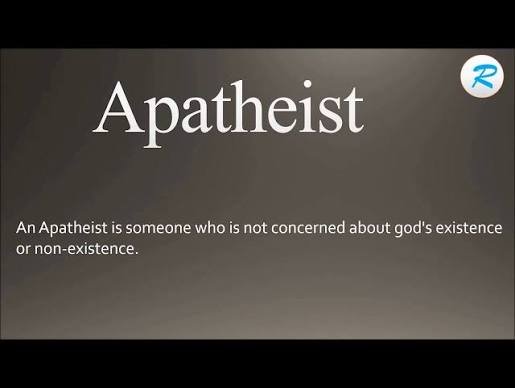
He explained that apatheism refers to an attitude of indifference toward the question of God’s existence: “Apatheism is the attitude of not minding whether or not God exists.”
According to Obasi, even evidence proving the existence of God would not change his position because he does not consider the question relevant to his daily life. “Even if anyone proves to me that God exists, it is still irrelevant,” he said, attributing the concept of apatheism to philosopher Jonathan Rauch.
How Malaria Changed His Religious Outlook
Obasi traced part of his journey away from Christianity to an experience he had while he was still a committed Christian.
He recalled becoming seriously ill with malaria but initially refusing medication because he believed God would heal him. “I became very sick with malaria and was asked to take drugs. As a staunch charismatic Catholic, I refused because I was hoping for God to heal me,” he said.
According to Obasi, his condition worsened before he eventually accepted medical treatment: “The malaria nearly escalated into chronic and acute malaria. God, if he existed, didn’t help out. Drugs eventually did when I was convinced to accept them.”
‘It Feels Like Committing Treason’
Obasi described life as an openly non-religious person in Nigeria as difficult. “Identifying yourself as an atheist, Humanist, apatheist or non-religious in Nigeria can be exhausting and frustrating,” he said.
He said the experience could feel particularly difficult in a society where religious belief has a significant influence on everyday life: “It feels like committing treason despite the secular status of Nigeria as stipulated by Section 10 of the Nigerian Constitution.”
Read also:
- Nonreligious community of Nigeria submits petitions to U.S Embassy and education ministry
- EFCC Chairman Urges Clerics To Preach Against Corruption, Fraud
Obasi Recalls NYSC, Law School Experiences
The lawyer alleged that his beliefs led to confrontations during his NYSC orientation programme in Nasarawa State: “At the Nasarawa orientation camp, I had a confrontation with a soldier for refusing to join Christian prayers.”
He also recalled his time at the Nigerian Law School in Yenagoa, where he alleged that some Christians wanted him to fail his Bar Final examinations because he did not pray: “At Yenagoa Law School, some Christians wished that I failed my Bar Finals because I did not pray.”
He said the experience later inspired an article titled Imagine a Humanist Failed Bar Finals, which he wrote after successfully passing his examinations.
‘I Can Practise Law Openly, But I May Lose Clients’
Obasi said Nigerian lawyers do not necessarily have to conceal non-religious beliefs to practise law, but he acknowledged that openly expressing such views could affect professional relationships.
“Yes, an atheist can practise law in Nigeria without hiding it, but the consequences can impact your clientele,” he said, adding: “You can lose clients because religion is very important to many Nigerians.”
Obasi Says Morality Does Not Depend On Religion
Obasi also challenged the argument that religious belief is necessary for moral behaviour: “That is a fallacy. Without religion, one can lead a moral life and uphold strong moral values.”
He argued that morality can be based on empathy, conscience and concern for human welfare rather than religious doctrine or fear of divine punishment, saying religion is “not a beacon of morality.”
Why Obasi Wants His Body Donated To Science
His Humanist worldview has also influenced his wishes concerning his remains. Obasi said he has decided to donate his body to medical science after death rather than have a conventional burial: “I have personally decided to donate my remains to medical science after death. I don’t need a normal burial.”
He said he made the decision public in the maiden edition of Secular Magazine, which he publishes annually or biannually.
‘I’m Single Because Of My Life Stance’
Obasi said his departure from Christianity initially affected his relationship with his family, although he said they eventually adapted to his decision.
He said his worldview has had a greater effect on his romantic life: “It has also affected my love life. I’m single today because of my life stance.” According to Obasi, “many women don’t want to associate with a non-religious man, no matter how kind-hearted he is,” adding that the resulting loneliness “can be frustrating and can break you if you don’t have self-esteem.”
‘Atheism Is Not Satanism’
Obasi said another misconception he encounters is the belief that atheism is connected to Satanism: “The biggest misconception is that atheism is Satanism. It isn’t. Atheists don’t believe in supernatural beings, including Satan.”
Obasi Says Nigeria Is Becoming More Accepting
Despite the challenges he described, Obasi believes attitudes toward non-religious people in Nigeria are gradually changing: “A little, because many atheists and non-religious people are speaking up, but the stigma still remains.”
He identified Humanist campaigners including Leo Igwe and Mubarak Bala as among those who have contributed to greater visibility for atheists and non-religious people in Nigeria.
For Obasi, the broader issue is freedom of thought and conscience. He believes people should be able to question religious beliefs, reject religion or remain indifferent to the question of God’s existence without automatically being considered immoral or dangerous.
For more exclusive interviews and features, follow us on X.