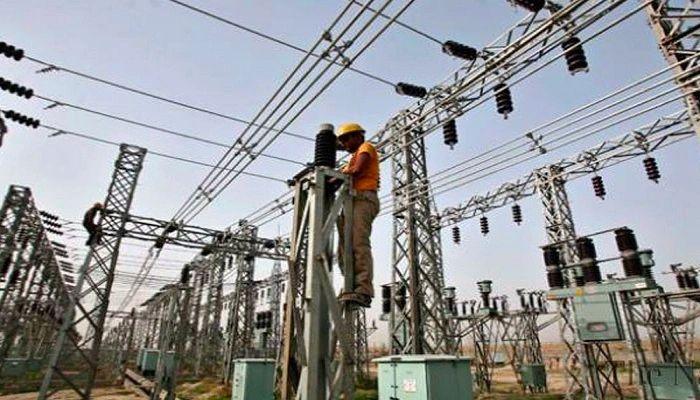
Nigeria has called for increased investment and stronger international cooperation to strengthen its power infrastructure and improve energy security.
Key Highlights
- Nigeria seeks increased investment in power infrastructure.
- Power Minister Joseph Tegbe calls for stronger international cooperation.
- Government says energy security requires resilient infrastructure and partnerships.
- UAE calls for greater investment in electricity interconnectivity.
- Nigeria used the Dubai energy summit to engage global investors and technology companies.
- Improved power infrastructure is critical to Nigeria’s industrial and economic growth.
- Middle East Energy 2026 brought together participants from more than 120 countries.
Minister of Power, Joseph Tegbe, made the call while speaking at Middle East Energy 2026 in Dubai, United Arab Emirates.

Tegbe said Nigeria had chosen to invest in the infrastructure, institutions and partnerships required to build a more resilient energy system, stressing that energy security could not be achieved by countries operating in isolation.
“Storms we cannot forecast will come, but history teaches that energy security has never been won by those who retreated behind their borders. It has been won by those who built grids, pipelines, ports, institutions, and above all, trust. Nigeria has chosen to build. Africa has chosen to build,” Tegbe said.
Nigeria Seeks Global Partnerships For Power Development
The minister’s remarks came as policymakers, investors and energy industry leaders at the three-day event discussed strategies for meeting rising energy demand while developing cleaner and more resilient power systems.
Earlier, the UAE Minister of Energy and Infrastructure, Suhail bin Mohammed Al Mazrouei, called for stronger collaboration among governments, industry players, investors, technology companies and financial institutions.
Al Mazrouei also stressed the need for increased investment in electricity interconnectivity, saying stronger connections between power systems could improve energy security and facilitate the movement of cleaner energy across borders.
Read also:
- Delta Pursuing Power Sector Reforms To Attract Private Investment, Expand Supply— Commissioner
- Reps Demand DisCos Pay Outstanding Electricity Market Debts
- FG Begins 17.7MW Mini-Grid Projects in Oyo, Rules Out Electricity Tariff Hike
t
Unreliable Power Supply Remains Major Challenge
The discussions are particularly significant for Nigeria, where inadequate and unreliable electricity supply remains a major challenge to industrial development, business expansion and investment.
Nigeria’s participation in the Dubai event provided an opportunity for the country to present its power infrastructure requirements to international investors, technology companies and energy businesses.
The UAE has in recent years strengthened its economic engagement with African countries, with energy and infrastructure emerging as key areas of cooperation and investment.
As one of Africa’s largest economies and energy markets, Nigeria remains an important market for investors seeking opportunities in the continent’s energy and infrastructure sectors.
Middle East Energy 2026 Attracts Global Industry Players
Middle East Energy 2026 brought together more than 1,500 exhibitors and participants from over 120 countries to discuss power generation, renewable energy, electricity grids, energy storage, digitalisation and energy security.
The event also provided African and Gulf policymakers with an opportunity to explore partnerships capable of mobilising capital, technology and expertise for energy infrastructure development across the continent.
For Nigeria, the summit offered a platform to draw global attention to its power infrastructure needs while positioning the UAE as a potential bridge between Gulf investment and Africa’s growing energy market. For more updates on Nigeria’s energy sector, follow us on X.
Related Stories:
Related Stories: