By Omotayo Edubi
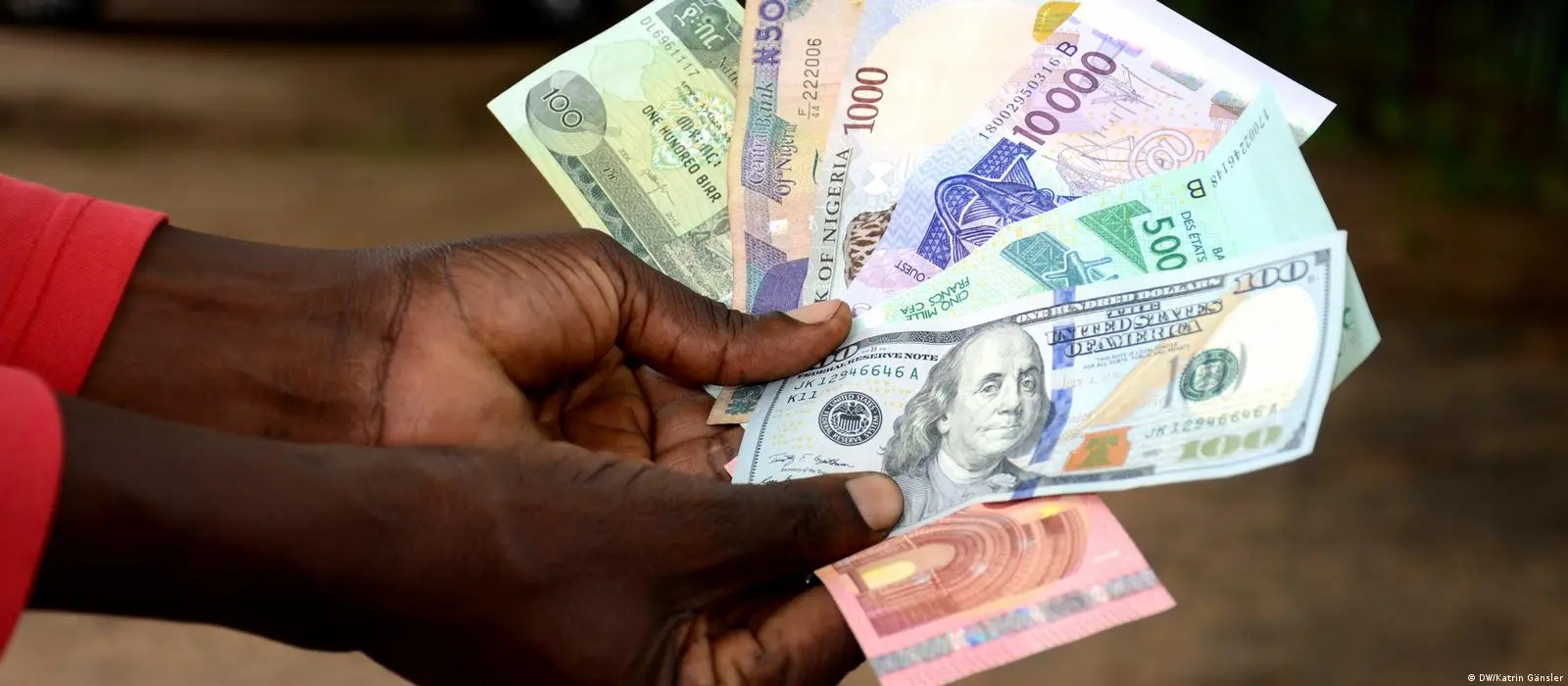
The Nigerian naira weakened further against the United States dollar at the official foreign exchange market, with the exchange rate depreciating to ₦1,357.84 per dollar on Wednesday, November 11, 2026, while parallel-market operators quoted selling rates as high as ₦1,435 on Thursday, November 12. The latest depreciation highlights continued pressure on the local currency and the persistent gap between Nigeria’s official and parallel foreign exchange markets.

Latest: Dollar to naira today: official and black market rates, updated daily (live tracker)
Key Highlights
- Official naira exchange rate falls to ₦1,357.84 per dollar.
- CBN figures show the naira weakened from ₦1,350.36 recorded on November 10.
- The currency lost ₦7.48 against the dollar in one trading day.
- Black-market dealers quoted selling rates between ₦1,419 and ₦1,435.
- The gap between the official rate and the ₦1,419 parallel-market rate stands at ₦61.16.
- Nigerians buying dollars for travel, education and business transactions face higher foreign exchange costs.
Naira Depreciates at Official Foreign Exchange Market
Data attributed to the Central Bank of Nigeria (CBN) showed that the official exchange rate stood at ₦1,357.84 per dollar on Wednesday, November 11, compared with ₦1,350.36 recorded on Tuesday, November 10.
The movement represents a depreciation of ₦7.48 against the United States dollar within one trading day, reflecting renewed pressure on the naira at the official foreign exchange market.
The latest figures have drawn attention to the currency’s performance as businesses, investors and individuals continue to monitor developments in Nigeria’s foreign exchange market.
Dollar Sells for ₦1,435 at Black Market
At the parallel foreign exchange market, popularly known as the black market, currency dealers quoted the dollar at approximately ₦1,411 for buying, while selling rates ranged between ₦1,419 and ₦1,435, depending on location and individual dealers.
The variation in parallel-market quotations reflects differences among currency dealers and locations across the country.
Using the ₦1,419 parallel-market selling rate, the difference between the official exchange rate of ₦1,357.84 and the parallel-market rate stands at ₦61.16 per dollar.
This disparity highlights the continuing difference between the official and unofficial foreign exchange markets.
How the Dollar Exchange Rate Affects Nigerians
The weakening of the naira and the difference between official and parallel-market rates could increase the cost of accessing foreign currency for Nigerians involved in international transactions.
Students paying tuition fees abroad, travellers, importers and businesses that depend on foreign goods and services are among those exposed to fluctuations in the exchange rate.
For individuals and businesses purchasing dollars, even a relatively small difference in exchange rates can translate into significant additional expenses, particularly for large transactions.
Cost of Buying $100, $500 and $1,000 at Current Rates
The difference between the official and parallel-market rates becomes clearer when applied to common dollar transactions.
Based on the reported exchange rates:
| Dollar amount | Official rate (₦1,357.84) | Parallel rate (₦1,419) |
|---|---|---|
| $100 | ₦135,784 | ₦141,900 |
| $500 | ₦678,920 | ₦709,500 |
| $1,000 | ₦1,357,840 | ₦1,419,000 |
For a $100 transaction, a buyer would pay approximately ₦135,784 at the official rate compared with ₦141,900 at the parallel-market rate.
Similarly, purchasing $500 would cost ₦678,920 officially and approximately ₦709,500 at the parallel market.
For a $1,000 transaction, the cost would rise to ₦1,419,000 at the parallel-market rate, compared with ₦1,357,840 at the official rate.
These figures demonstrate the additional financial burden associated with the difference between the two exchange rates.
Read also:
- Dollar Sells For ₦1,419 As Naira Records ₦68.64 Exchange Rate Gap
- Naira Trades at ₦1,430/$ on Parallel Market, ₦1,346.51 Officially on November 10, 2026
- CBN Cuts Interest Rate by 350 Basis Points to 23%, Biggest Reduction on Record
CBN Foreign Exchange Market and Naira Stability
The official foreign exchange market operates through the Nigerian Foreign Exchange Market (NFEM), which serves as a benchmark for authorised foreign exchange transactions.
However, access to foreign currency, market demand and prevailing dealer quotations continue to influence the cost of dollar transactions for individuals and businesses.
The latest depreciation comes amid continued attention on the naira’s performance and efforts to stabilise Nigeria’s foreign exchange market.
Market participants will be watching subsequent trading sessions for signs of whether the naira can recover against the dollar or experience further pressure.
For daily exchange rate updates, follow us on X.