Manchester United have taken a significant step forward in their plans to build a new 100,000-capacity stadium after securing the majority of the land required for the project, moving the long-anticipated development closer to reality.
Key Highlights:
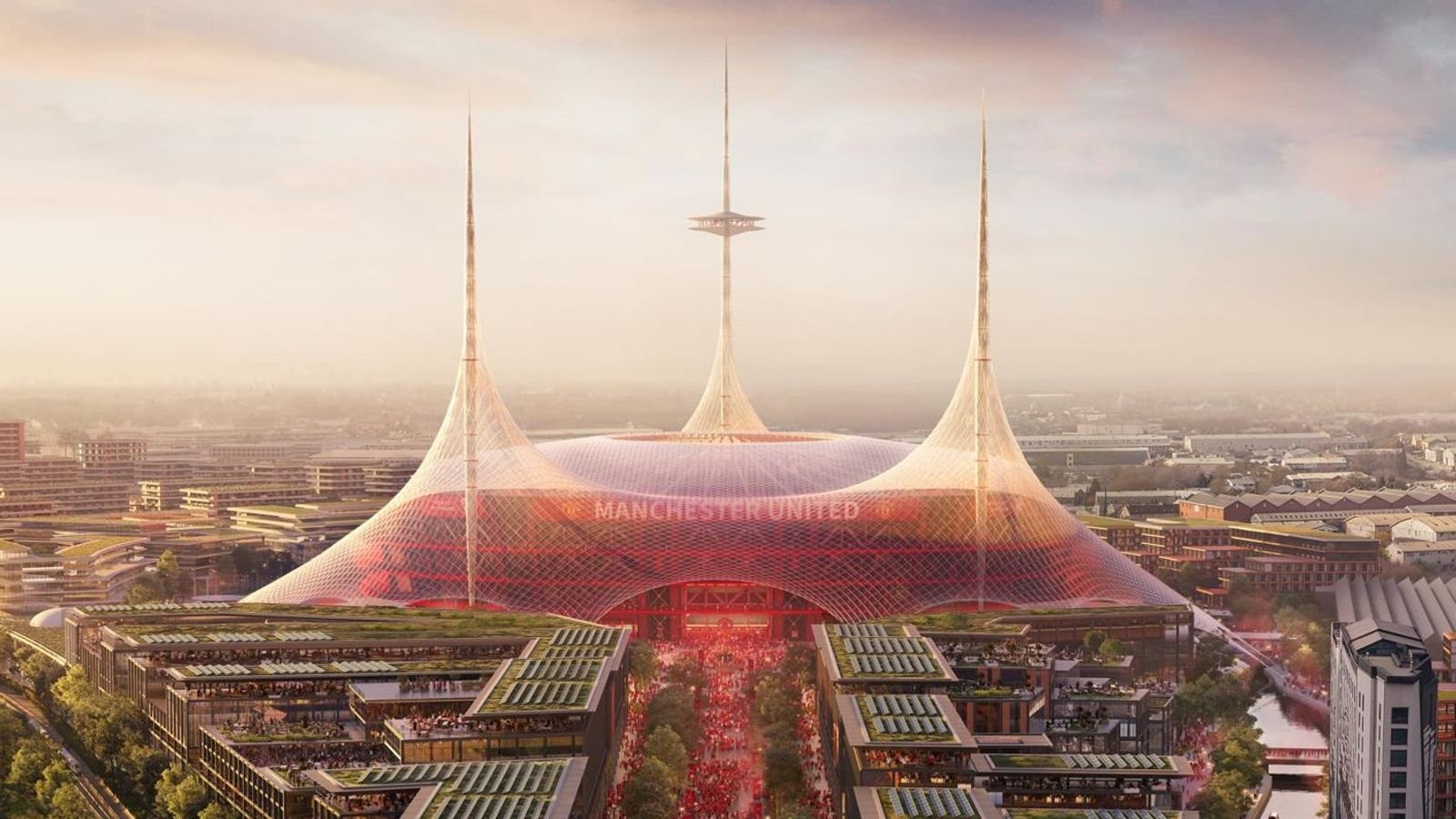
The Premier League club is pushing ahead with proposals for a state-of-the-art stadium, provisionally dubbed “New Trafford,” which is expected to become the largest football ground in the United Kingdom.

The new arena will be constructed approximately 350 metres away from the current Old Trafford, which has served as the club’s home for 115 years.
According to reports on Monday, the club has acquired a key 25-acre plot between Europa Way, Wharfside Way and John Gilbert Way, removing a major obstacle that could have delayed construction.
Read Also:
- Man United Captain Bruno Fernandes fires back at Roy Keane over “false” assist record claims
- Fernandes equals EPL record as Man United edge Nottingham Forest in 5 goal thriller
- Sesko scores late winner as Man United beat Fulham 3-2
Remaining land acquisitions are expected to be completed without major complications, paving the way for the next phase of development.
The proposed stadium, part of a wider regeneration project for the Old Trafford district, will feature a 100,000-seat capacity, making it the largest stadium in England and one of the biggest in Europe—second only to Barcelona’s redeveloped Camp Nou.
Designed with a futuristic umbrella structure, the stadium is expected to incorporate solar energy and rainwater harvesting systems. Plans also include three towering masts that would make the structure visible from up to 40 kilometres away, including on clear days from parts of the wider North West region.
The redevelopment is expected to take around five years once construction begins, with Manchester United continuing to play at Old Trafford until the new stadium is completed.
Further details on the full master plan and consultation process are expected to be released in the coming weeks as the club moves into the design phase in collaboration with supporters and stakeholders.