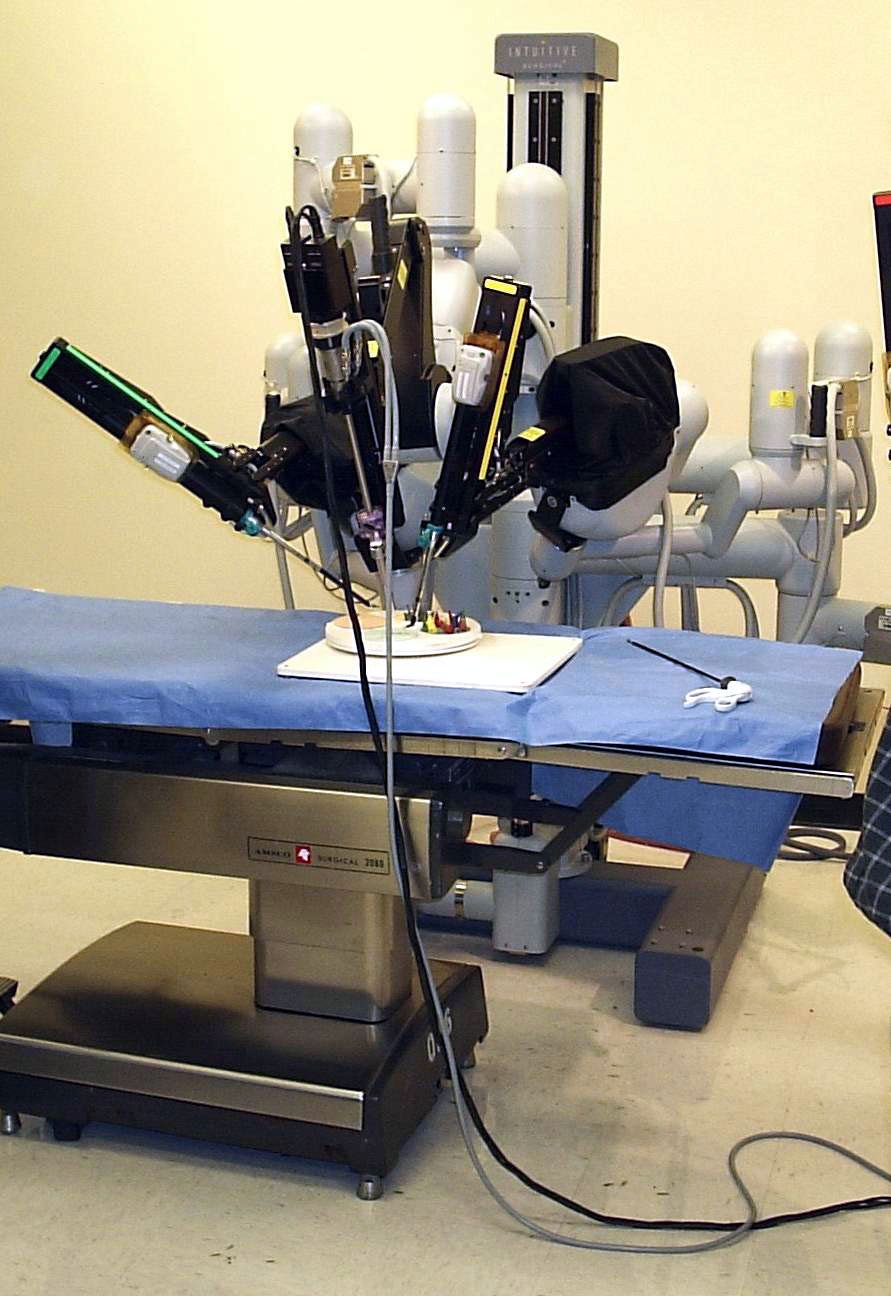
A Lagos-based hospital, Kelina Hospital, has performed over 50 robotic radical prostatectomy surgeries within one year, providing prostate cancer patients with minimally invasive treatment and faster recovery.
Key Highlights
- Kelina Hospital has carried out over 50 robotic radical prostatectomies in 12 months.
- No patient has required a blood transfusion since the hospital began weekly robotic prostate surgeries.
- More than half of its urological surgery patients are discharged within 24 hours.
- The hospital performed Nigeria’s first robotic radical nephrectomy in 2025.
- The robotic surgery programme is run entirely by Nigerian surgeons based in the country.
- Dr. Celsus Undie calls for government support and affordable financing for private hospitals.
The hospital’s President, Dr. Celsus Undie, disclosed this while highlighting the medical milestones recorded by the hospital.

Robotic-assisted radical prostatectomy is a minimally invasive procedure in which the prostate gland and surrounding tissues are removed using a surgeon-controlled robotic system to treat prostate cancer.
Early Diagnosis Key to Survival
Dr. Undie, a consultant urological surgeon, explained that prostate cancer remains the most common cancer affecting Nigerian men, noting that advances in medical technology have reduced the need for patients to travel abroad for treatment.
He said early diagnosis and treatment were critical because the chances of successful treatment were significantly higher when the cancer remains confined to the prostate.
“There is a lot of technology now, and people do not have to wait until cancer has advanced or spread around the body. When cancer is confined to any organ, the best treatment is to take it out, along with that organ, so the person can survive without that part of the body.
“Once it spreads, treatment is not so effective. For prostate cancer, robotic surgery is less mutilating and much easier to do,” he said.
Dr. Undie said Kelina Hospital has been performing robotic prostate surgeries weekly since June and has not required a blood transfusion for any patient undergoing the procedure during the period.
Erectile Function After Surgery
He acknowledged that prostate cancer surgery can affect erectile function because the nerves responsible for erection run close to the prostate gland, but stressed that saving the patient’s life remains the primary objective.
According to him, many patients can eventually regain their erectile function naturally, while others might require medication, injections or penile implants.
“We cannot put an erection ahead of the need to save a life,” he said.
He also disclosed that Kelina Hospital performed Nigeria’s first robotic radical nephrectomy in 2025, another milestone in the hospital’s development of robotic surgery.
Read also:
- Makinde Raises LAUTECH Teaching Hospital Cleaners’ Salaries from ₦15,000 to ₦80,000
- Zulum Pledges Support for Medical College at Nigerian Army University, Biu
- Ebonyi PDP Guber Candidate Promises Improved Healthcare Services, Medical Education
- FG Approves ₦40.76bn Health Fund, Extends Insurance To 90,000 Inmates
t
He said more than half of the hospital’s urological surgery patients were discharged within 24 hours, attributing the development to the efficiency of its minimally invasive surgical approach.
Dr. Undie further disclosed that the hospital’s robotic surgery programme is being conducted entirely by Nigerian surgeons based in the country.
He called for greater government support and access to affordable financing for private hospitals to enable them to acquire advanced medical equipment, improve healthcare delivery and reduce medical tourism.
For more health news and updates, follow us on X.