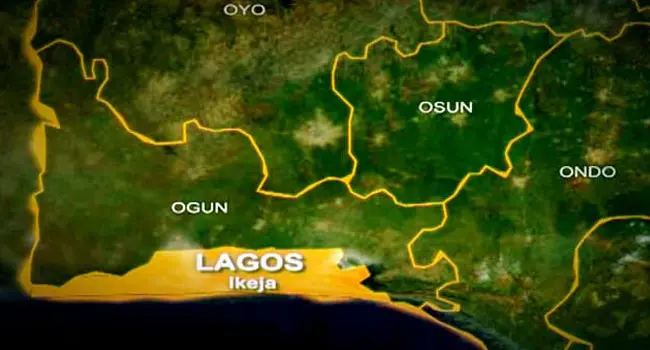
The Lagos State government has advised residents, particularly children, pregnant women, older persons and individuals who work outdoors, to adopt preventive measures against possible extreme heat as the dry season approaches.
Key Highlights
- Lagos warns of extreme heat risks as the dry season approaches amid a strengthening El Niño.
- Children, pregnant women, older persons and outdoor workers most at risk.
- Dust, haze and generator fumes could worsen air quality and respiratory illnesses.
- Residents urged to stay hydrated, wear breathable clothing and avoid open burning of refuse.
- Ministry to work with NiMet, Health Ministry and LASEMA on preparedness.
The warning follows concerns over a strengthening El Niño climate pattern, which the government said could contribute to rising temperatures, prolonged dry conditions, increased dust and declining air quality.

Commissioner for the Environment and Water Resources, Tokunbo Wahab, raised the alarm in a statement issued on Friday through the ministry’s Director of Public Affairs, Kunle Adeshina.
Wahab explained that Lagos could be particularly vulnerable to excessive heat because of its growing population, rapid urban development and coastal location.
He noted that densely developed neighbourhoods with insufficient vegetation and limited airflow could experience higher temperatures as roads, buildings and other infrastructure absorb and retain heat.
“The concentration of buildings, roads and other heat-absorbing infrastructure, coupled with limited green spaces and inadequate ventilation in some neighbourhoods, could intensify temperatures in built-up areas,” he said.
Groups Most At Risk
The commissioner warned that extended exposure to high temperatures could result in dehydration, heat exhaustion or heatstroke, stressing that severe cases could become life-threatening without prompt medical attention.
He identified children, elderly residents, expectant mothers, street traders, construction workers, waste handlers and people living with existing medical conditions as groups requiring additional protection.
Wahab therefore appealed to parents, school authorities, employers and community leaders to introduce practical safeguards for vulnerable individuals.
Beyond the direct health effects of extreme heat, the commissioner expressed concern that dry-season dust and haze could worsen air pollution and trigger respiratory difficulties.
He explained that individuals with respiratory illnesses could experience more severe symptoms, particularly in areas where dust levels are high.
According to him, the use of petrol and diesel generators during electricity outages could also increase local air pollution.
Read also:
- LAWMA Urges Lagos Residents to Report Illegal Waste Dumping, Releases Hotline Numbers
- NiMet Stepping Up Efforts To Make Climate Information More Accessible To Farmers
- How to Apply for Lagos Youth Climate Action Grant Worth Up To $5,000
Safety Tips For Residents
To minimise environmental risks, Wahab encouraged residents to stop burning refuse openly and embrace safer waste-management practices.
He advised Lagosians to stay properly hydrated, choose loose-fitting and breathable clothing, remain in shaded or ventilated environments and reduce physically demanding activities during periods of intense heat.
The commissioner also urged operators of schools, markets, offices and other public facilities to make drinking water, adequate ventilation and shaded resting areas available.
He asked residents to remain alert to warning signs of heat-related illnesses, including dizziness, headaches, nausea, muscle cramps, unusual weakness and excessive sweating.
“Sudden collapse or loss of consciousness should be treated as medical emergencies requiring immediate attention,” the statement warned.
People with respiratory conditions were equally advised to minimise exposure to dusty surroundings and comply with relevant health and air-quality guidance.
Wahab stressed that effective preparation would require cooperation among government institutions, medical professionals, environmental specialists, businesses and community organisations.
He encouraged residents to preserve existing trees, support tree-planting initiatives, maintain green spaces and dispose of waste responsibly to help reduce heat accumulation in urban communities.
The commissioner assured the public that the ministry would sustain environmental awareness campaigns and collaborate with the Nigerian Meteorological Agency, Lagos State Ministry of Health and Lagos State Emergency Management Agency to improve preparedness and response to emerging climate-related risks.
For more news updates, follow us on X.