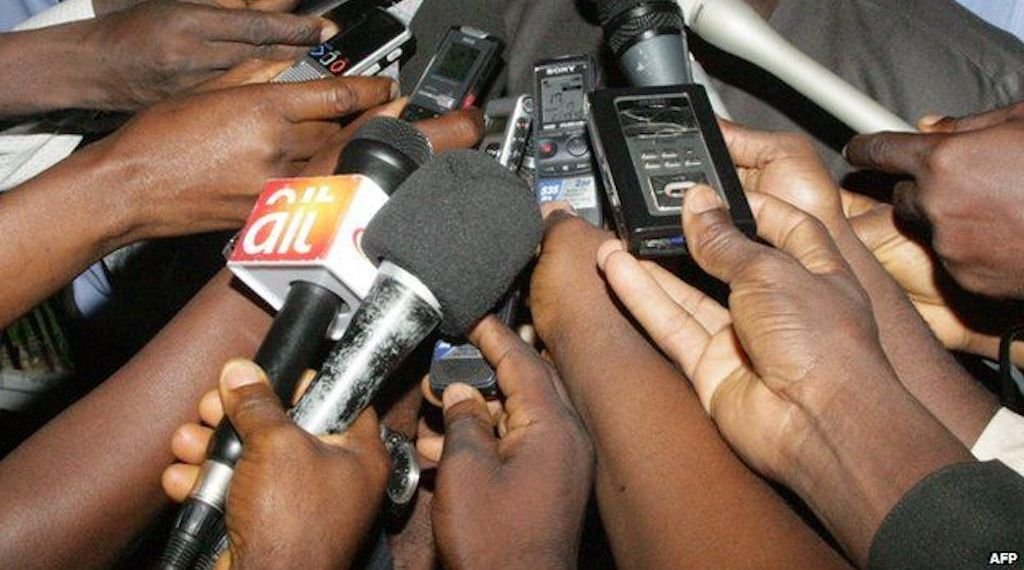
Concerns over Kaduna Journalist Exclusion From Government Events have intensified following allegations that accredited journalists are being systematically denied access to official government functions, raising fresh questions about press freedom, transparency and equal access to public information in Kaduna State.
Key Highlights:
- Journalist alleges Kaduna Journalist Exclusion From Government Events.
- Claims only selected media practitioners are invited to official government engagements.
- Concerns raised over transparency and equal access to public information.
- NUJ urged to intervene and address complaints by affected journalists.
- Government officials had not responded to the allegations at the time of filing this report.

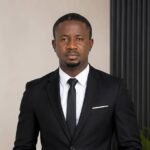
A Kaduna-based journalist, Mustapha Saye, has alleged that accredited journalists are increasingly being excluded from government activities, including meetings involving Northern governors, warning that the development could weaken media accountability and undermine the constitutional role of the press.
Saye, the Kaduna State Correspondent for Abubakar Rimi Television and Triumph Newspaper, claimed that access to major government events has become limited to a small group of selected journalists, leaving many accredited reporters unable to carry out their professional duties.
Read Also:
- Southern Kaduna Journalists hail Tinubu for appointing Gen. Musa as Defence Minister
- Police confirm kidnap of veteran Journalist in Kaduna
- Journalists’ forum applauds Tinubu for siting varsity, medical centre in Southern Kaduna
According to him, the alleged practice has created unequal opportunities within the media landscape and restricted comprehensive coverage of government activities.
“It is unfortunate that during major assignments, only a few selected journalists are allowed to cover important events, while many others are consistently left out,” Saye said.
He maintained that the current situation marks a departure from the tradition of openness that previously characterised journalism practice in Kaduna State.
“In the past, journalists in Kaduna enjoyed equal opportunities to cover official events. This level of exclusion was not common,” he added.
Saye also criticised what he described as the silence of the Kaduna State Council of the Nigeria Union of Journalists (NUJ), urging the union to intervene in the interest of fairness, professionalism and unity within the journalism profession.
According to him, the concerns of affected journalists deserve urgent attention to preserve confidence in the state’s media environment.
“The silence of the NUJ on this disturbing development has only heightened concerns among journalists. I hope the relevant authorities will intervene in the interest of fairness, professionalism and unity within the journalism profession,” he said.
Efforts to obtain official reactions from the Kaduna State Council of the Nigeria Union of Journalists (NUJ), the Kaduna State Commissioner for Information and Culture, Ahmed Maiyaki, and the Chief Press Secretary to the Governor, Ibrahim Musa, were unsuccessful as of the time this report was filed.
The allegations have renewed debate over press freedom, equal media access and the importance of ensuring that accredited journalists are given fair opportunities to report government activities without discrimination.