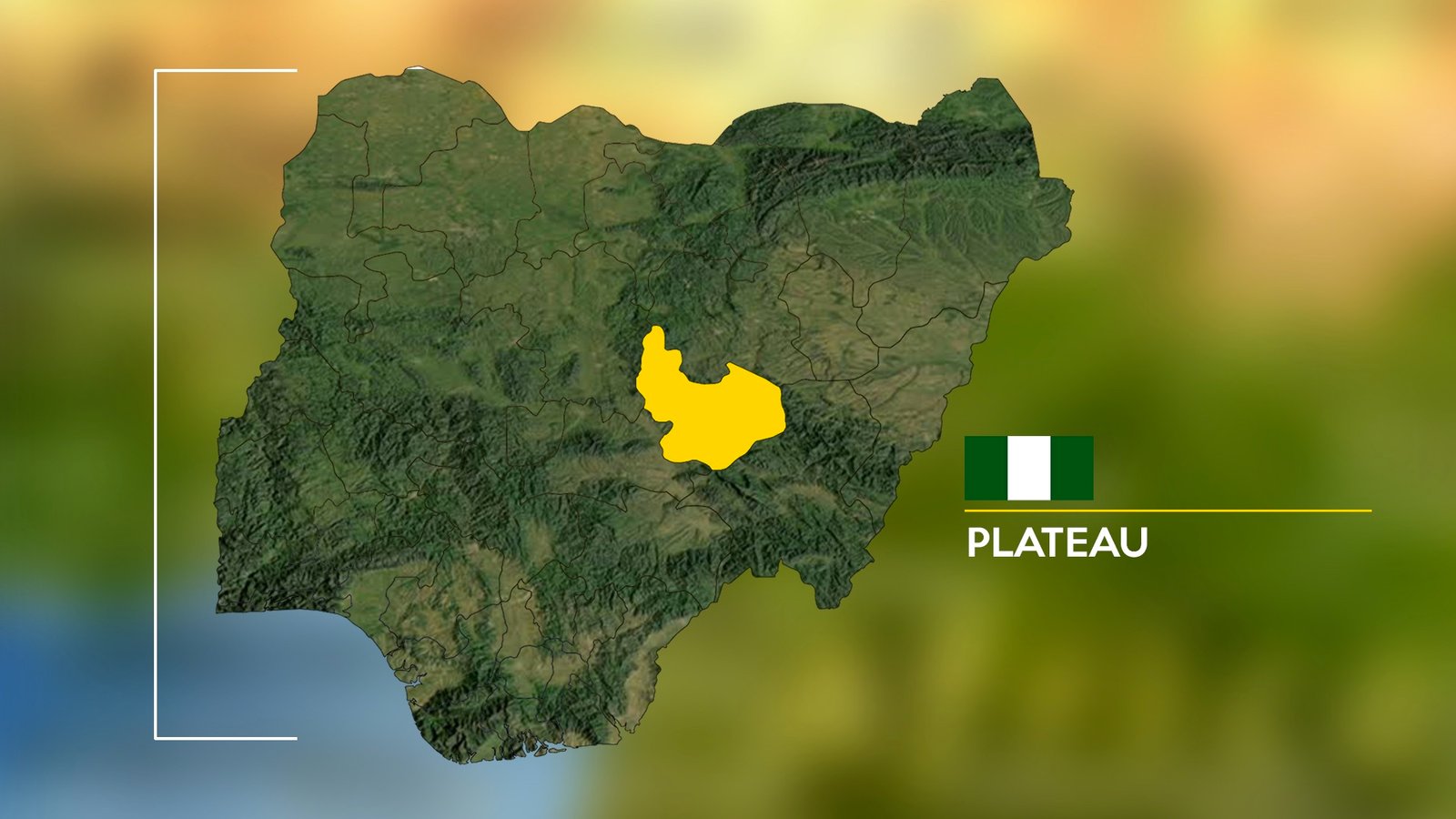
At least 21 farmers were killed and several others wounded on Sunday night when unidentified gunmen stormed Kawel village in Bokkos Local Government Area of Plateau State, in one of the deadliest single attacks on farming communities in the state this year. The massacre was confirmed by local authorities on Monday, June 23, 2026.
What Happened
The Bokkos Local Government Council Chairman, Amalau Samuel Amalau, confirmed the attack occurred on Sunday night in Kawel village. Speaking to Newsmen, he said arrangements were underway for the burial of the dead.

Local resident Joseph Marren described the assault: gunmen entered the village and opened fire randomly. Residents sheltered indoors until the early hours of Monday, when the bodies of the dead were discovered.
The attack comes as Plateau State has been at the centre of a prolonged and escalating cycle of farmer-herder violence. Rural communities in the state, which sits in Nigeria’s Middle Belt, have seen recurring clashes between predominantly Christian farming communities and semi-nomadic herders, with both groups suffering casualties in retaliatory cycles.
According to the AFP report, illegal mining and accusations of land grabbing compound existing tensions over land access, grazing routes, and water — all of which have intensified under pressure from climate change and population growth. Weak policing and persistent impunity for killings routinely fuel reprisal attacks along communal lines.
Why It Matters
The Kawel village massacre follows a broader pattern of escalating attacks in Plateau. In the weeks and months prior, separate incidents had killed several herders in Jos South LGA, while earlier in the year communities across Bokkos and Riyom LGAs recorded a series of attacks that killed at least 19 in a single escalation cycle beginning in February 2026.
Just days before this latest attack, the UN Special Rapporteur on Religious Freedom completed a two-week tour of Nigeria — including Plateau State — and warned that impunity for armed groups was fuelling genocide claims in the country. While analysts dispute whether the violence constitutes genocide, the rapporteur’s visit underscored international concern over the scale of killings.
The massacre also arrives less than two weeks after the National Assembly passed the State Police Bill on June 11, 2026 — a constitutional amendment driven in significant part by the argument that centrally commanded police cannot respond effectively to localised, fast-moving violence in states like Plateau.
What This Means for Nigerians
The Kawel killings add to an already grim toll in Plateau State and reinforce a pattern that has resisted all prior interventions: peace agreements signed, security deployments ordered, committees inaugurated — yet the attacks continue.
For Nigerians tracking the state police debate, incidents like this one make the case for those who argue that faster, locally-embedded policing is the only viable answer. Plateau State Governor Caleb Mutfwang has been among the most vocal advocates for state police, declaring earlier in 2026 that “the time for the creation of state police is now.”
Read also:
- Tinubu Orders Permanent Security Upgrade At NIPSS After Deadly Bandits’ Attack in Plateau
- Gunmen kill 1, rustle over 50 cattle in fresh Plateau attack
- Plateau busts human trafficking ring, rescues 11 victims, arrests 3 suspects
For farming communities in Bokkos and across the Middle Belt, the more immediate reality is another harvest season under threat. Residents have repeatedly reported abandoning farmlands due to fear of ambush, compounding food insecurity in already vulnerable communities.
“I entered my house soon after I heard gunshots. I did not come out, but in the early hours of Monday, we saw some people already dead.” — Joseph Marren, Kawel village resident.
The Bottom Line
The killing of 21 farmers in Bokkos LGA is the latest chapter in a Plateau State security crisis that has proved intractable under existing policing arrangements. With the state police bill now awaiting Senate passage and ratification by state assemblies, the question for policymakers is whether constitutional reform will move fast enough to change the security reality on the ground — or whether the killings will continue to outpace the legislation.