The federal government through the National Orientation Agency (NOA) in Akwa Ibom State has intensified its sensitisation campaign against Lassa fever across the state’s 31 local government areas, warning residents to adopt preventive measures to curb the spread of the deadly disease.
Speaking during a public awareness outreach in Uyo, the state Director of NOA, Mr. Mkpoutom Mkpoutom, expressed concern over the threat posed by Lassa fever and other tropical diseases, stressing the need for collective action to protect public health.

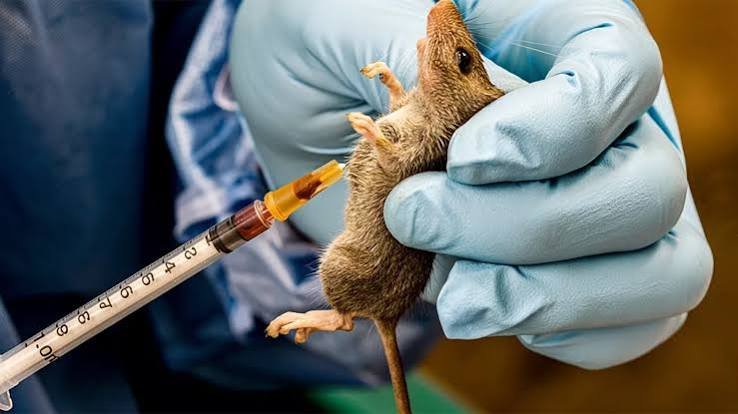
Mkpoutom noted that Lassa fever is a severe viral haemorrhagic disease endemic in Nigeria and is primarily transmitted through contact with food, household items, or surfaces contaminated by the urine or faeces of the multimammate rat (Mastomys natalensis).
He explained that the disease can be prevented through consistent sanitary practices and urged residents to prioritise personal and environmental hygiene.
According to him, households and businesses should ensure proper food storage, effective waste disposal, clean surroundings, and access to safe water sources.
The NOA director also advised residents to remain alert to early symptoms of the disease and seek immediate medical attention when necessary.
He listed common symptoms of the disease as high fever, persistent headache, sore throat, muscle pain, weakness, and fatigue, while severe cases may involve unexplained bleeding from the nose, gums, or gastrointestinal tract.
Read also:
- Akwa Ibom Group Lists Potentials Of Proposed Unyenge LG
- EFCC Investigates Suspected Serial Fraudster Over Alleged $12,000 Scam in Enugu
Mkpoutom warned against self-medication and the use of herbal remedies, emphasising that prompt treatment at recognised health facilities significantly improves survival chances.
“You cannot afford to manage these symptoms at home. Early presentation at a health facility increases the chances of survival significantly,” he said, urging residents to report suspected cases immediately.
He further called for a community-driven approach to disease prevention, encouraging traditional rulers, religious leaders, market women, youth groups, and other stakeholders to support the campaign by promoting healthy practices within their communities.
The NOA director proposed the establishment of local sanitation task forces to monitor environmental cleanliness and strengthen grassroots efforts aimed at preventing the spread of the disease.
As the rainy season often leads to increased rodent activity, the NOA boss urged residents to remain vigilant and assured that orientation and mobilisation officers would extend the awareness campaign to all local government areas to ensure that no community is left out.
He reaffirmed the agency’s commitment to promoting public health awareness and fostering behavioural change among residents to reduce the risk of Lassa fever outbreaks across the state.