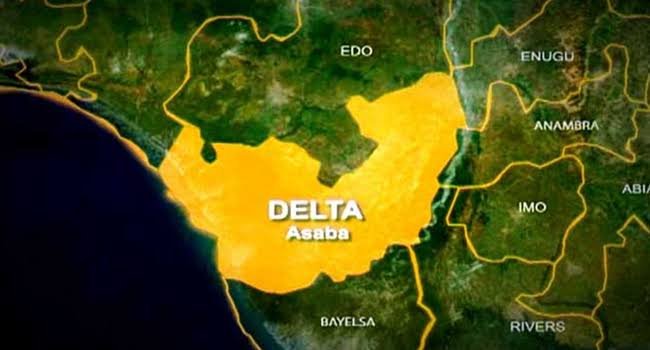
Delta State marks 35 years since its creation on August 27, 1991, with a rich history shaped by diverse cultures, oil and gas, agriculture, waterways, commerce and a growing tourism industry.

Key Highlights
- Delta State was created on August 27, 1991, from the former Bendel State.
- Asaba is the state capital, while the state has 25 local government areas.
- Major ethnic groups include the Urhobo, Isoko, Itsekiri, Ijaw and Anioma communities.
- Delta is one of Nigeria’s major oil and gas-producing states.
- Major attractions include River Ethiope, Nana’s Palace, Lander Brothers Anchorage and Mungo Park House.
- Agriculture, fishing, tourism, commerce and other sectors remain important to the state’s economy.
- The state is popularly known as “The Big Heart.”
How Delta State Was Created
On August 27, 1991, Nigeria’s political map changed with the creation of Delta State from the former Bendel State.
Thirty-five years later, Delta has developed into one of Nigeria’s culturally diverse and economically important states, occupying a strategic position in the South-South region.
With Asaba as its capital, the state stretches from the relatively urbanised areas around Asaba and Agbor to the creeks, mangroves, wetlands and riverine communities of the Niger Delta.
Before its creation as a state, the territory passed through several administrative arrangements, including the former Western Region, Mid-Western Region and Bendel State.
Read Also:
- Delta State Government Converts Model Technical College, Omadino, into Campus of Federal Polytechnic Orogun
- Delta State Suspends Works Commissioner Izeze After Court Remands Him Over APC Meeting Violence
- Delta State University Teaching Hospital Faces Healthcare Crisis as Resident Doctors Demand Urgent Power Restoration
The creation of Delta State gave its diverse communities a distinct political identity and established the administrative structure that exists today.
A State of Many Cultures
Delta State is home to several major ethnic groups, including the Urhobo, Isoko, Itsekiri, Ijaw and Anioma communities.
Its cultural diversity is reflected in the languages spoken, traditional attire, festivals, music, dances, marriage ceremonies, cuisine and traditional institutions found across the state.
For many communities, culture is part of everyday life. It is expressed through family structures, community gatherings, traditional leadership and the preservation of ancestral heritage.
The state’s cultural diversity has also contributed to its distinctive identity within Nigeria.
Beyond Oil and Gas
Delta is one of Nigeria’s important oil and gas-producing states, with petroleum playing a major role in its economic history.
Oil-producing communities across the state have contributed significantly to Nigeria’s petroleum industry, while cities such as Warri, Sapele, Ughelli, Asaba, Agbor and Kwale have developed into important commercial and administrative centres.
Yet the Delta economy extends beyond petroleum.
Agriculture remains important across the state. Farmers cultivate crops including cassava, oil palm, rubber, cocoa and cashew.
Fishing is also central to the livelihoods of many riverine communities, where generations of families have depended on the state’s waterways.
Delta’s Rivers and Natural Attractions
Delta’s geography has played a major role in shaping the lifestyle and economy of its people.
The state has an extensive network of rivers, creeks, wetlands and waterways that support fishing, agriculture, transportation and tourism.
One of its best-known natural attractions is the River Ethiope.
The river rises at Umuaja and flows through several communities in Delta State. Its clear waters and surrounding vegetation have made it an attractive destination for visitors seeking a quieter environment away from major urban centres.
Beyond its recreational value, River Ethiope is closely connected to the communities whose lives and livelihoods depend on the waterway.
Nana’s Palace and Delta’s Historical Heritage
Delta State also has several attractions that preserve important chapters of Nigerian history.
At Koko, visitors can explore the legacy of Chief Nana Olomu, the influential Itsekiri merchant and political figure of the 19th century.
Nana’s Palace remains one of Delta’s notable historical attractions. It offers an insight into a period when indigenous trade, European commercial interests and colonial expansion were reshaping the Niger Delta.
In Asaba, the Lander Brothers Anchorage recalls the journeys of Richard and John Lander and their association with the exploration of the River Niger.
The Mungo Park House also provides a link to the period of European exploration and colonial administration in the region.
These historical sites demonstrate that the region had a long history of trade, transportation, agriculture and political organisation before crude oil became central to its economy.
Warri and Asaba: Two Cities, Different Identities
Warri has developed a distinctive identity that extends beyond its commercial importance.
The city is known for its humour, street culture, expressions and distinctive use of Nigerian Pidgin. Its energetic social atmosphere has also contributed to Nigeria’s entertainment and popular culture.
Asaba, on the other hand, has evolved from a relatively quiet administrative centre into an increasingly cosmopolitan city.
Located along the western bank of the River Niger and close to Onitsha, Asaba has grown as a commercial, residential and administrative hub.
Across the state, modern businesses, hotels, restaurants and shopping centres exist alongside communities where traditional rulers and indigenous institutions remain influential.
Delta’s Rich Food Culture
Food is another important part of Delta State’s identity.
The state’s various ethnic communities have developed distinctive culinary traditions, with dishes such as banga soup and starch, ukodo, pepper soup, seafood meals and different native soups featuring prominently in local cuisine.
Palm oil, fish, seafood, cassava and other locally sourced ingredients are common in traditional meals.
Food also plays an important social role, particularly during weddings, festivals, family gatherings and ceremonies welcoming visitors.
Fascinating Facts About Delta State
Delta State was officially created on August 27, 1991, from the former Bendel State.
Its capital is Asaba, and the state has 25 local government areas.
Its popular nickname, “The Big Heart,” has become an important part of its identity and is associated with the warmth and hospitality of its people.
Delta is also one of Nigeria’s major oil and gas-producing states and has extensive waterways that support fishing, transportation, maritime activities and tourism.
Its combination of natural and historical attractions gives the state a tourism profile that extends beyond its petroleum economy.
The Future Beyond Oil
As Delta State marks its 35th anniversary, attention is increasingly turning towards economic diversification.
Agriculture, tourism, fisheries, manufacturing, logistics, real estate and commerce offer opportunities for reducing dependence on petroleum revenues and creating more employment.
The state’s extensive waterways, historical sites, agricultural resources and human capital provide a foundation for broader economic development if effectively harnessed.
35 Years of Delta State
Ultimately, the story of Delta State is a story about people and place.
It is about the fisherman navigating a creek at sunrise, the farmer working the land, the trader opening a shop in Warri, the civil servant heading to work in Asaba, the young entrepreneur building a business and the traditional ruler preserving customs passed down through generations.
For decades, oil has dominated conversations about Delta State. Beneath that oil economy, however, is a state rich in rivers, farmland, history, culture and human potential.
At 35, Delta State stands at an important point in its journey. Its past is deeply rooted in history and culture, while its future will depend partly on how effectively it develops its natural resources, tourism attractions, human capital and economic opportunities.
From the waterways of the Niger Delta to the historic heritage of Koko, from the vibrant streets of Warri to the growing cityscape of Asaba, Delta State remains one of Nigeria’s most diverse and fascinating states.