By Obah Sylva
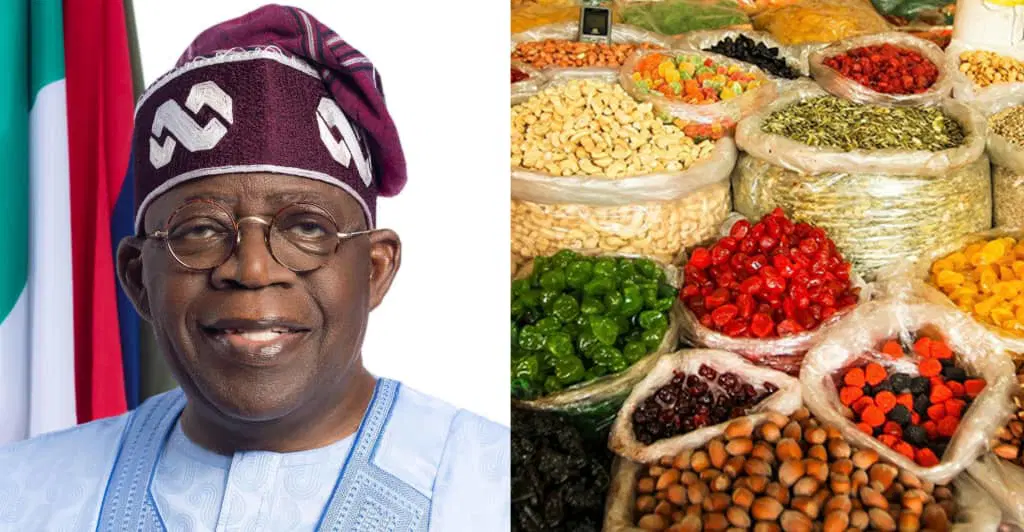
The Christian Association of Nigeria (CAN) has urged President Bola Tinubu to reduce fuel and food prices and take further steps to ease the rising cost of living, with the association’s Niger State chairman saying the economic hardship facing Nigerians has become too severe.

Key Highlights
- CAN urges Tinubu to reduce fuel and food prices amid rising living costs.
- CAN Niger State Chairman Bulus Yohanna made the appeal during Nigeria’s 66th Independence anniversary service in Minna.
- Yohanna also called for lower inflation, a stronger naira and increased external reserves.
- The CAN chairman urged the Federal Government to strengthen the security of lives and property, particularly in areas affected by insecurity.
- Former CAN President Samson Ayokunle separately called for action on hunger, insecurity and inflation.
- President Tinubu has rejected calls to return to the former petrol subsidy regime.
- The President has instead promoted CNG and electric-powered transportation as alternatives for reducing transport costs.
- Tinubu has said the Federal Government’s priority is to reduce the cost of living through lower production and transportation costs.
- The renewed CAN appeal comes amid continued debate over the impact of economic reforms on households.
CAN Urges Tinubu to Reduce Fuel and Food Prices
CAN Niger State Chairman, Most Rev. Bulus Dauwa Yohanna, who is also the Bishop of Kontagora Diocese, made the call during an interdenominational service organised to mark Nigeria’s 66th Independence anniversary in Minna.
Yohanna appealed to President Tinubu to take urgent measures to stabilise the economy and improve security across the country.
He said Nigerians were looking forward to a significant reduction in fuel and food prices, lower inflation, a stronger currency and growth in the country’s external reserves.
The CAN chairman also urged the government to ensure that economic reforms translate into jobs, infrastructure and tangible improvements in the standard of living.
CAN Chairman Calls for Lower Cost of Living
Yohanna said the challenges confronting Nigeria were enormous but could be overcome through sustained action and responsible leadership.
He also linked economic recovery with improvements in security, particularly in parts of the country affected by insecurity.
According to the CAN chairman, the outcome of national reforms should ultimately be reflected in the daily lives of Nigerians through improved economic opportunities and lower living costs.
His comments came as the Federal Government continues to defend its economic reform programme and seek alternative measures to reduce the impact of high energy and transportation costs.
Former CAN President Also Raises Alarm Over Economic Hardship
The appeal from the CAN Niger State chairman came shortly after former CAN President Samson Olasupo Ayokunle separately called on the Federal Government to address hunger, insecurity and inflation.
Speaking in Ibadan, Ayokunle said the removal of the petrol subsidy had contributed to higher living costs and urged the government to take stronger measures to cushion the impact on Nigerians.
Ayokunle questioned whether the income of the average Nigerian had kept pace with the increase in the cost of essential goods and services.
He did not specifically call for the restoration of the petrol subsidy but urged the government to address the economic consequences of its removal.
Tinubu Rejects Return to Petrol Subsidy
President Tinubu has maintained that his administration will not return to the former petrol subsidy system.
In his October 1, 2026 Independence Day address, Tinubu said the priority of his administration was to bring down the cost of living by reducing the cost of producing and transporting goods and services.
The President argued that returning to the previous subsidy regime would reverse the government’s economic reform efforts.
Tinubu has instead highlighted measures including agricultural mechanisation, improved storage, infrastructure development and cheaper transportation as part of his strategy for reducing economic pressure on households.
Tinubu Pushes CNG to Reduce Transport Costs
The Federal Government has also continued to promote compressed natural gas (CNG) and electric-powered transportation as alternatives to petrol-powered transport.
On September 19, Tinubu directed state governments to accelerate the National Affordable CNG Transit Programme, with the stated objective of delivering measurable reductions in transportation costs from October 1.
The President said states should work with transport unions and commercial operators to ensure that savings from cheaper energy translate into lower fares for commuters.
He cited examples from states where CNG and electric transport services have already been associated with lower fares.
Fuel Prices Remain a Major Part of Cost-of-Living Debate
The call from CAN comes as fuel prices remain a major concern for households, transport operators and businesses.
The debate has increasingly centred on whether the benefits of Nigeria’s economic reforms are reaching consumers quickly enough, particularly through lower transportation, food and energy costs.
CAN’s latest appeal therefore places renewed attention on the relationship between petrol prices, food prices, inflation, transportation costs and household purchasing power.
CAN Wants Economic Reforms to Deliver Tangible Relief
The CAN leadership’s position is that economic reforms should ultimately produce measurable improvements in the lives of Nigerians.
While the Federal Government has defended the removal of petrol subsidies and promoted alternative energy and transport solutions, religious leaders and other stakeholders continue to call for faster relief from the high cost of living.
The debate is expected to continue as the government implements its economic policies and seeks to expand CNG-powered transport, agricultural production and other measures aimed at reducing costs.
For CAN, the central demand remains that economic reforms should translate into lower fuel and food prices, reduced inflation, stronger purchasing power and improved living conditions for Nigerians.