
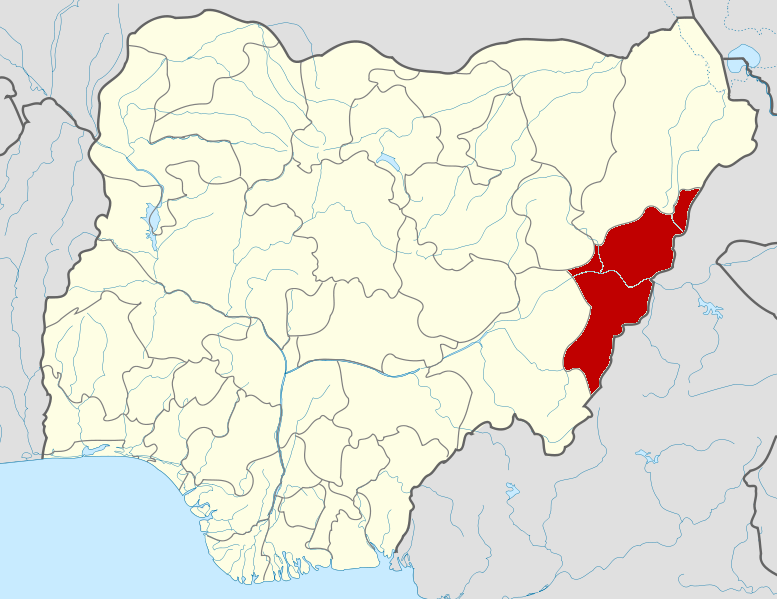
Adamawa State Government has announced plans to introduce mandatory health screening for all incoming travellers arriving by air, road and designated river routes, as part of efforts to prevent the possible introduction and spread of Ebola virus disease in the state.
Latest Adamawa news: Adamawa news today: latest updates from Yola and Adamawa State

Key Highlights
- Adamawa plans mandatory Ebola screening for all incoming travellers by air, road and river.
- Screening points include Yola International Airport, motor parks and River Benue arrival points.
- Travellers will undergo visual checks, temperature checks and brief health assessments.
- Rapid response team, emergency operations centre and infectious disease centre activated.
- Disease surveillance intensified across the state’s 21 local government areas.
- Start date for the screening exercise has not yet been announced.
The planned measure comes as the state intensifies its disease surveillance and emergency preparedness efforts, with health authorities seeking to strengthen early detection, improve response coordination and protect residents against potential public health threats.
Commissioner for Health and Human Services, Chubado Jada, announced the initiative during an emergency meeting with the state rapid response team at the State Infectious Disease Centre.
The meeting reviewed the state’s preparedness and response arrangements against the potential Ebola threat, with particular attention to surveillance, identification of suspected cases and the coordination of emergency health services.
How the Ebola screening will work
Under the proposed arrangement, the state Ministry of Health and Human Services will coordinate screening at Yola International Airport, motor parks and designated arrival points along the River Benue.
Designated health personnel are expected to conduct visual observations, temperature checks where appropriate and brief health assessments on incoming travellers.
They will also ask questions about travellers’ health conditions, recent travel history and possible contact with suspected or confirmed Ebola cases.
Travellers who exhibit symptoms of concern or meet the established criteria for suspected cases will be referred for further clinical assessment and investigation in accordance with approved public health protocols.
Although the government has not indicated when the mandatory screening exercise will commence, the proposed intervention signals an effort to strengthen the state’s capacity to identify potential infections before they spread into communities.
Broader Ebola preparedness strategy
The planned screening exercise forms part of a broader preparedness strategy that extends beyond monitoring the movement of people into the state.
According to the commissioner, the government is also activating the state rapid response team and emergency operations centre structures while intensifying disease surveillance across the state’s 21 local government areas.
The state infectious disease centre is also being activated, alongside statewide public sensitisation to improve awareness and encourage residents to report suspected cases promptly.
These measures are intended to strengthen the state’s ability to detect potential infections, coordinate investigations and ensure timely intervention should a suspected case emerge.
The government is further strengthening coordination among the emergency operations centre’s operational teams responsible for surveillance, case management, laboratory services, logistics and risk communication.
The approach is designed to ensure that suspected cases can be identified, investigated and managed through a coordinated system rather than through isolated responses by individual health agencies.
Participants at the emergency meeting reviewed existing preparedness arrangements and discussed ways to improve collaboration among response teams, enhance early identification of suspected cases and facilitate timely public health interventions.
Read also:
- Ebola: NCDC Approves ₦100,000 Weekly Stipend For Contacts In Isolation
- NCDC Identifies 2 More Suspected Ebola Cases, Tracks 53 Contacts
- Delta Steps Up Ebola Preparedness, Reviews Emergency Response Measures
Travellers, transport operators urged to cooperate
The state government has called on travellers, transport operators, airport authorities and water transport operators to cooperate with health personnel when the screening exercise begins.
They have also been urged to provide accurate information during health assessments to help authorities identify potential risks and determine whether further medical investigation is necessary.
Residents, meanwhile, have been advised to remain vigilant and promptly report suspected cases to the appropriate health authorities.
Health authorities have identified symptoms associated with Ebola as including fever, severe weakness, headache, muscle pain, sore throat, vomiting, diarrhoea and, in some cases, unexplained bleeding.
However, the symptoms are not exclusive to Ebola and may occur in other illnesses, making proper medical assessment essential.
The public is therefore advised against relying solely on symptoms to determine whether a person has Ebola, as suspected cases require evaluation by qualified health professionals.
For more updates on Ebola preparedness across Nigeria, follow us on X.