The Accord Party has recorded a surprise victory at the polling unit of former Osun State Governor, Olagunsoye Oyinlola, in Okuku, Odo-Otin Local Government Area, in the ongoing 2026 governorship election.
Results uploaded to the Independent National Electoral Commission’s IReV portal showed that Accord Party secured 125 votes to defeat the All Progressives Congress (APC), which polled 85 votes at the polling unit.
The African Democratic Congress (ADC) came a distant third with five votes, while the African Action Congress (AAC) recorded two votes.

The Social Democratic Party (SDP), Young Progressive Party (YPP) and Zenith Labour Party (ZLP) each secured one vote.
Several other parties, including the AA, ADP, APGA, APM, APP, BP, NNPP and PRP, failed to record a single vote at the polling unit.
A total of 228 voters were accredited, with 220 valid votes cast and eight ballots rejected.
The election was held at Court Hall I, Okuku, in Odo-Otin Local Government Area.
The result has attracted attention because of Oyinlola’s reported endorsement of APC governorship candidate Bola Oyebamiji ahead of the election.
Read also:
- Osun Decides: Governor Adeleke’s Running Mate Predicts Victory, Raises Alarm Over Late Arrival Of INEC Officials
- Osun 2026: Early Voter Turnout In Adeleke’s Hometown Ede As Residents Await Accreditation
- Osun 2026: Adeleke Votes, Raises Alarm Over Alleged Police Threats, Predicts Victory
- APP Demands Transparency Over Alleged Relocation of Ideato Collation Centre
- Enugu LG Election: Security Agencies Assure Residents of Peaceful, Hitch-Free Poll
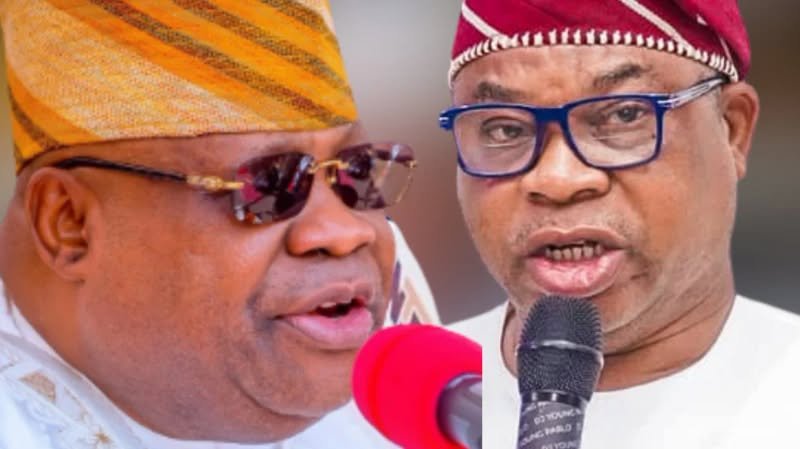
Oyinlola, who governed Osun from 2003 to 2010, had publicly backed Oyebamiji rather than incumbent Governor Ademola Adeleke, who is seeking another term on the platform of the Peoples Democratic Party.
Despite the former governor’s reported support for the APC candidate, the party failed to win his polling unit, losing to Accord by a margin of 40 votes.
The development is likely to generate political discussion as results continue to emerge from polling units across Osun State.
The 2026 Osun governorship election has featured a closely watched contest involving Adeleke, Oyebamiji and candidates of other political parties, with early polling-unit results providing competing signals about the strength of the major contenders.