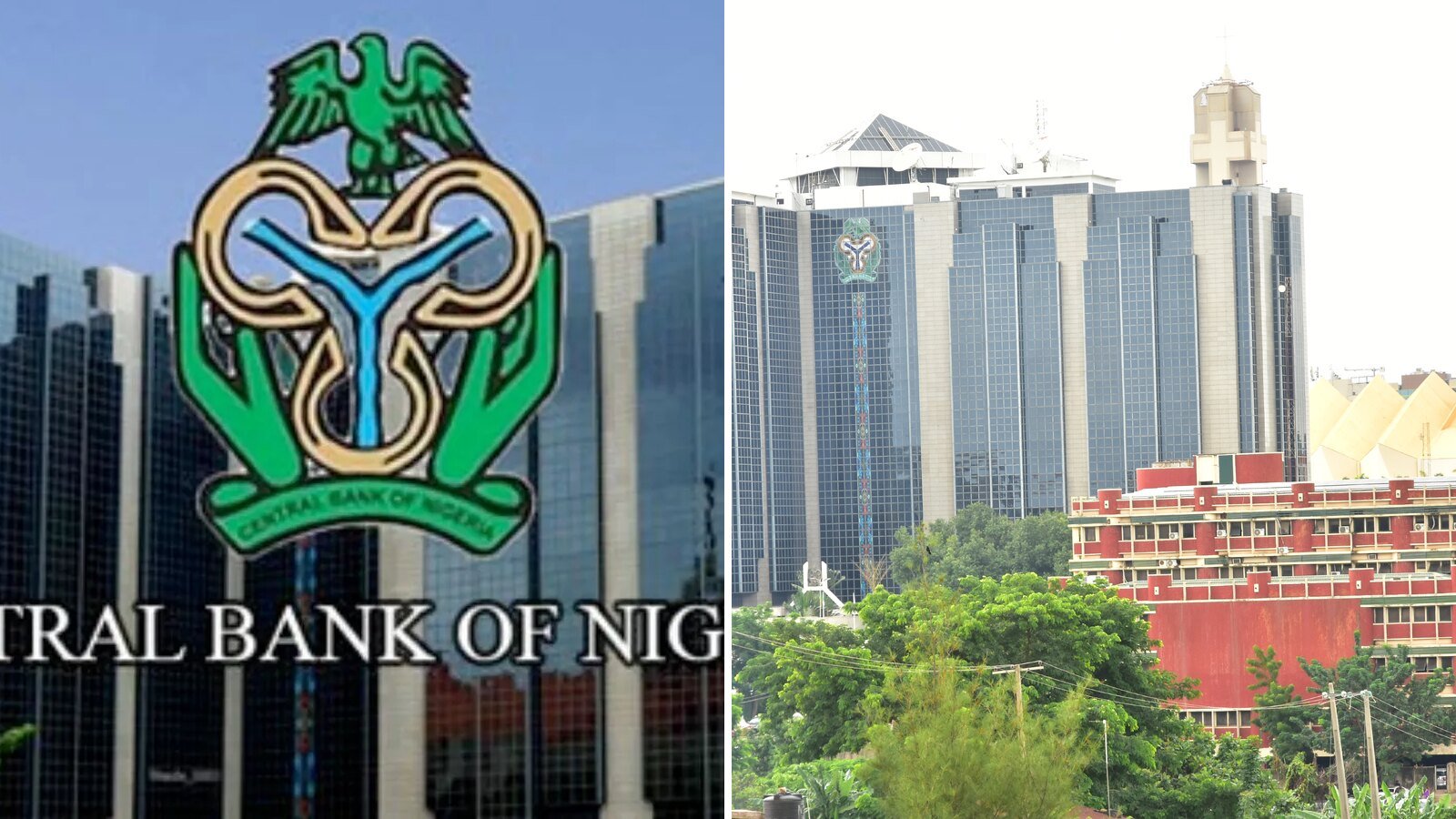
The Central Bank of Nigeria (CBN) and the Nigerian National Petroleum Company Limited (NNPCL) have signed a landmark agreement aimed at strengthening macroeconomic stability, improving foreign exchange inflows and boosting energy financing in Nigeria.
Key Highlights
- The CBN and NNPCL signed a memorandum of understanding (MoU) in Abuja on Wednesday, November 18, 2026.
- CBN Governor Olayemi Cardoso said the deal will improve FX flows and the management of oil and gas proceeds.
- The partnership covers energy financing, gas monetisation, treasury integration, payment automation and cybersecurity.
- Nigeria’s gross external reserves have risen above $55 billion, according to CBN Deputy Governor Emem Usoro.
- NNPCL says closer cooperation will support plans to raise crude output from about 1.8 million to 3 million barrels per day.
Speaking at the signing at the apex bank’s headquarters in Abuja on Wednesday, November 18, 2026, the Governor of the CBN, Mr. Olayemi Cardoso, said formalising the bank’s partnership with the NNPCL would strengthen macroeconomic management, improve foreign exchange flows and support Nigeria’s long-term economic stability.

Cardoso described the agreement as a significant milestone in the long-standing relationship between the two state institutions.
He said it would provide a more structured framework for collaboration, given both institutions’ critical roles in supporting fiscal revenues, external reserves, foreign exchange inflows and Nigeria’s broader economic performance.
Oil Proceeds, FX Inflows Key to Monetary Stability – Cardoso
The CBN governor stressed that efficient management and settlement of oil and gas proceeds, predictable foreign exchange inflows and closer institutional coordination were particularly important for maintaining monetary stability during periods of global and domestic volatility.
He explained that the agreement would deepen cooperation on the monetisation of oil and gas assets, energy financing and liquidity support, and leverage the CBN’s convening role to attract global financial institutions and develop financing structures to unlock Nigeria’s vast natural gas resources.
Cardoso identified other areas of collaboration, including payment automation, integration of the CBN and NNPCL treasury systems, regulatory alignment, compliance and risk management, cybersecurity and operational resilience, and knowledge sharing and capacity development.
According to him, joint steering and working committees would enable both institutions to coordinate their activities, monitor implementation and pursue shared objectives, while positioning Nigeria’s energy assets for greater global competitiveness.
Cardoso emphasised that the agreement did not create a new relationship but formalised years of cooperation, noting that the decision evolved naturally from sustained collaboration rather than being a ceremonial exercise.
He commended the Group Chief Executive Officer of the NNPCL and his team for the progress made in addressing challenges inherited by the company, and reaffirmed the CBN’s commitment to sound monetary policy, macroeconomic stability, financial system resilience and the long-term prosperity of Nigerians.
Read also:
- CBN Cuts Interest Rate by 350 Basis Points to 23%, Biggest Reduction on Record
- Reps Probe CBN, NNPCL Over Alleged Unremitted Operating Surplus, Query OAGF On MDA Fund Deductions
MoU Aligns Energy and Financial Sectors – Ojulari
Group Chief Executive Officer of NNPC Limited, Mr. Bayo Ojulari, described the MoU as a strategic framework to align Nigeria’s energy and financial sectors to support economic growth and stability.
Ojulari acknowledged the CBN governor’s guidance during the early and challenging period of his tenure, which he said helped him navigate the transition and stabilise the NNPCL.
He said the critical role of oil and gas in Nigeria’s foreign exchange earnings underscored the close link between the energy sector and the financial system, adding that the NNPCL’s transition into a commercially driven company under the Petroleum Industry Act had increased the need for a structured and transparent relationship with the CBN.
According to him, the agreement would strengthen export proceeds and foreign exchange flows, align NNPCL’s operations with national monetary and energy objectives, and deepen energy financing and hydrocarbon monetisation, including enabling the company to leverage its balance sheet to raise capital.
He added that joint governance structures and measurable performance indicators would ensure effective implementation.
Reserves Above $55bn – CBN Deputy Governor
Earlier, the CBN Deputy Governor, Operations, Ms. Emem Usoro, said the agreement established a structured framework for cooperation in international trade and foreign exchange flows, energy financing and hydrocarbon monetisation, and regulatory alignment and risk management.
Noting that Nigeria’s gross external reserves have risen above $55 billion in recent times, supported by higher oil production and sustained diaspora remittances, she expressed confidence that the partnership would strengthen export earnings, bolster the country’s reserves and resilience to external shocks, and deliver tangible economic benefits for Nigeria.
The Group Chief Finance Officer of NNPC Limited, Mr. Adedapo Segun, described the collaboration as a defining step towards replacing ad hoc engagements between the NNPCL and the CBN with a structured, transparent and accountable partnership.
He said the partnership would focus on strengthening external reserves and investor confidence, supporting naira stability and de-dollarisation through closer alignment with CBN policy, and deepening payment systems, technology adoption and digital innovation.
Segun added that closer cooperation would support efforts to increase crude oil production from about 1.8 million to 3 million barrels per day and to unlock Nigeria’s gas resources, while agreed working groups, timelines and accountability mechanisms would ensure effective implementation and contribute to long-term economic stability.
More information on the apex bank’s policies is available on the CBN website. For more business news, follow us on X.