The Delta State Government has yet to release an official timetable for the planned audit and profiling of 1,880 public schools, raising concerns over when the state’s emergency education intervention will begin. The exercise, directed by Governor Sheriff Oborevwori, is expected to assess 1,400 primary schools and 480 secondary schools requiring urgent attention, with the state’s education ministries still working on the operational schedule.
Key Highlights
- Delta State has yet to announce a timetable for auditing and profiling 1,880 public schools.
- Governor Sheriff Oborevwori has directed an assessment of 1,400 primary schools and 480 secondary schools.
- Information Commissioner Charles Aniagwu says the exercise will address deep-rooted problems rather than cosmetic renovations.
- The audit is expected to identify deteriorating classrooms, teacher shortages and staffing imbalances.
- Education ministries are preparing the operational schedule for the exercise.
- Parents, teachers and community leaders are awaiting details of when assessments will begin.
- The government says the intervention is intended to support lasting improvements in public education.
Delta State Yet to Announce School Audit Timetable
Uncertainty remains over the start of Delta State’s planned public school audit, as government officials have acknowledged that a definitive timetable has not been released.

The proposed exercise will cover 1,880 public schools across the state, including 1,400 primary schools and 480 secondary schools identified for urgent rehabilitation and assessment.
The ministries responsible for education are still developing the operational arrangements for the exercise. Until the schedule is announced, school communities and other stakeholders have limited information about when their institutions will be assessed.
The delay has raised questions about the timeline for implementing the state’s education intervention, although the government says the exercise requires detailed planning.
Oborevwori Seeks Lasting Improvements in Public Schools
Governor Sheriff Oborevwori’s directive is aimed at identifying the condition of public schools and determining the interventions required to improve learning environments across Delta State.
According to Information Commissioner Charles Aniagwu, the government does not want the exercise to result in superficial renovations that fail to address underlying problems.
Instead, the proposed profiling is intended to provide a clearer picture of the challenges facing schools and guide decisions on rehabilitation, staffing and resource allocation.
The approach is expected to help the government determine which schools require urgent structural repairs and where administrative changes may be necessary to improve educational outcomes.
Audit to Identify Dilapidated Classrooms and Unsafe Facilities
One of the major objectives of the planned school audit is to identify classrooms and other facilities that have deteriorated to the point of requiring urgent intervention.
The assessment is expected to examine the condition of school buildings and identify potentially unsafe learning environments that could affect pupils, students and teachers.
A comprehensive picture of the state of school infrastructure would help the government determine rehabilitation priorities and allocate available resources according to need.
However, the extent of the required repairs and the implementation schedule will become clearer once the profiling exercise begins and its findings are made available.
Delta State to Review Teacher Shortages and Staffing Imbalances
Beyond infrastructure, the proposed audit is expected to examine the distribution of teachers across urban and rural communities.
The government has highlighted concerns that some urban schools have more teachers than required, while schools in rural areas face shortages.
The profiling exercise is expected to assess staffing levels and teacher-to-student ratios to identify areas where personnel may need to be redeployed or additional teachers provided.
Addressing such imbalances could help improve access to instruction and reduce disparities in the quality of education available to pupils and students across local government areas.
The findings could also provide the government with a basis for making more informed decisions about teacher recruitment, deployment and school management.
Read also:
- Oborevwori Orders Immediate Overhaul Of All Dilapidated Public Schools In Delta
- Oborevwori’s ₦50m Education Fund for Delta Student Sparks Mixed Reactions
- Delta Government Offers Free Electric Vehicle Skills Training for Youths in Asaba, Warri
Education Ministries Expected to Coordinate the Exercise
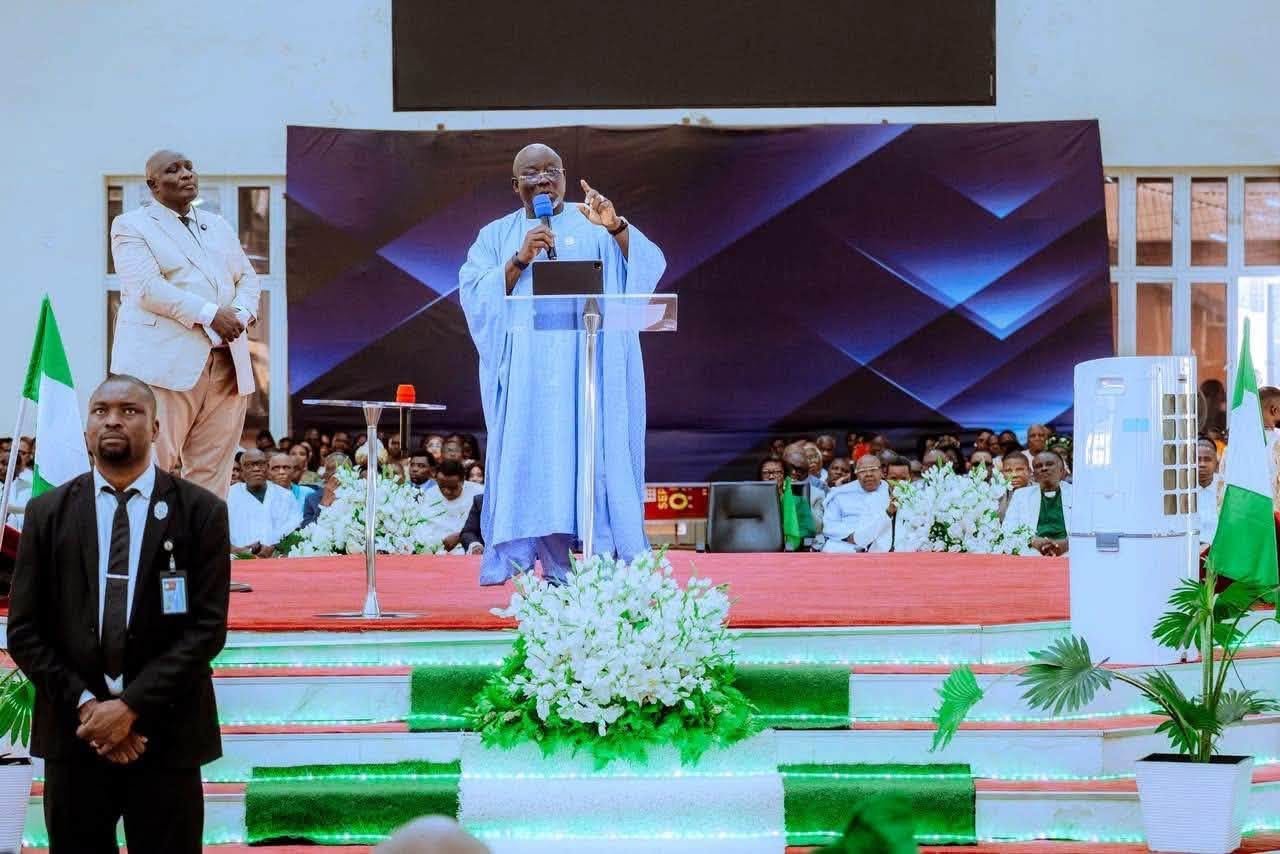
The directive was announced during the commissioning of the Model Technical College in Oghareki, placing responsibility for coordinating the next steps on the state’s education ministries.
Officials are expected to develop the operational arrangements required to assess schools across the state, although a definitive timetable has not yet been announced.
The scale of the exercise means that coordination, data collection and the identification of rehabilitation priorities will be important to its implementation.
Education stakeholders have called for the government to communicate the timetable clearly so that school administrators, teachers, parents and local communities can understand when assessments will take place.
Parents and Teachers Await Details of the Intervention
The absence of a published timetable has left school communities waiting for clarification on when the exercise will begin and how the government intends to implement its findings.
Parents want to know when deteriorating facilities may be repaired, while teachers and school administrators are concerned about the practical implications of the planned staffing review.
Community leaders and education stakeholders have also emphasised the importance of transparency and regular updates to ensure that the intervention moves from announcement to implementation.
The release of a clear timetable would help stakeholders understand the process and monitor progress across the affected schools.
Delta State School Audit: What Happens Next?
The immediate next step is for the education ministries to complete the operational schedule and communicate the arrangements for the profiling exercise.
Once the timetable is announced, attention is expected to shift to the assessment of school facilities, teacher distribution and other administrative challenges affecting public education.
The government will also need to determine how the audit findings will inform rehabilitation projects, staffing decisions and the allocation of resources. Federal support may also be relevant: the Universal Basic Education Commission has said states must assess schools’ needs before accessing intervention funds under its new 2026–2035 roadmap.
While the proposed exercise signals an intention to address long-standing problems in Delta State’s public schools, its impact will depend on the speed of implementation, the quality of the assessment and the government’s response to the findings.
For now, stakeholders are awaiting an official timetable to clarify when the audit of the 1,880 public schools will begin.
For more Delta State news, follow us on X.