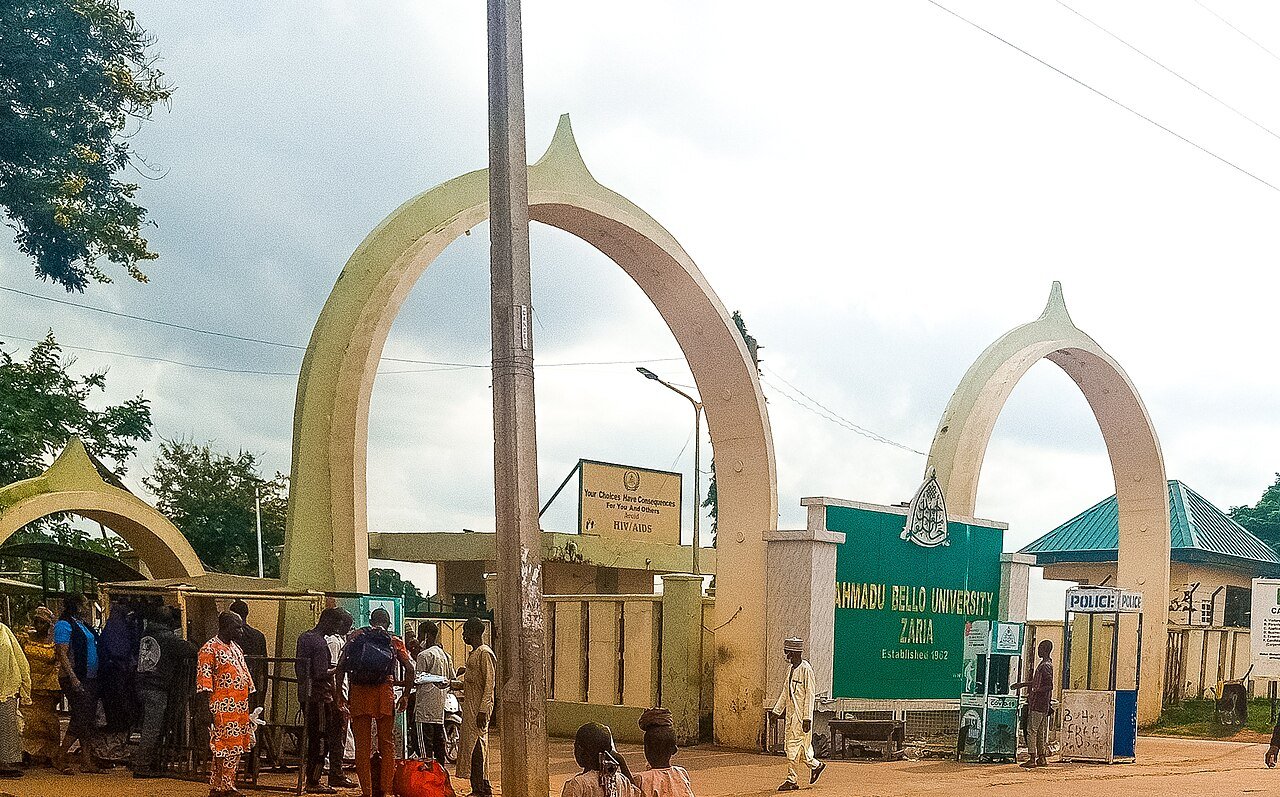
Ahmadu Bello University (ABU), Zaria, has suspended the implementation of its revised undergraduate registration fees for the 2026/2027 academic session following strong opposition from students and the Students’ Representative Council (SRC). The proposed charges, which range from ₦143,000 to nearly ₦298,000 depending on the programme and level of study, have been put on hold pending further consultations with students and other stakeholders.
Key Highlights
- ABU Zaria suspends its proposed 2026/2027 school fees increase after student protests.
- The revised charges ranged from ₦143,000 to nearly ₦298,000, depending on the course and level.
- Medicine, Dentistry and other professional programmes faced some of the highest proposed fees.
- Management described students’ concerns as legitimate and deserving of further consideration.
- NANS President Akinteye Afeez criticised the proposed increase, warning against unilateral fee hikes.
- The suspension is temporary and does not amount to a permanent cancellation of the revised charges.
- Other universities contacted in separate reports had not confirmed similar immediate increases.
ABU Suspends Revised School Fees After Student Backlash
ABU announced the suspension in a special bulletin after the SRC raised concerns over the revised charges shortly before implementation was due to begin.

The university said students’ submissions were “legitimate, responsible and deserving of further consideration”, adding that the decision was taken “in the spirit of consultation, mutual respect and responsible governance”.
The revised schedule had been approved by the university’s Governing Council on September 29, 2026, following a Senate resolution.
Under the proposed arrangement, undergraduate charges would have risen significantly from the approximately ₦62,000 to ₦84,000 range reported for the previous academic session.
Management’s decision to pause implementation is intended to allow wider consultation with students and other stakeholders. However, the suspension does not mean the increase has been permanently cancelled, and further communication is expected after the consultations.
Proposed ABU Fees Reached ₦298,000
The proposed charges varied according to faculty, programme and level of study, with several professional and science-based courses facing substantial increases.
Under the revised schedule:
- Medicine and Surgery and Dentistry: ₦242,000 for some 100-level students.
- Law: ₦182,000.
- Engineering and Computer Science: ₦172,000 for major programmes.
- Nursing Science, Medical Laboratory Science and Radiography: ₦212,000.
- Veterinary Medicine: ₦232,000.
- Some higher-level students in professional programmes: charges approaching or reaching ₦298,000.
The proposed amounts represented a significant increase compared with charges reported for the previous session, prompting concerns about affordability among students and their families.
The university has linked the review to rising operating costs, including expenditure on student welfare, security, utilities, transportation and campus facilities.
Management has also cited a Court of Appeal judgment requiring ABU and the Central Bank of Nigeria to pay nearly ₦2.5 billion in connection with long-running claims involving former workers.
NANS President Condemns Proposed Fee Increase
The proposed increase attracted criticism from the National Association of Nigerian Students (NANS), whose president, Akinteye Afeez, also known as Akinteye Babatunde Afeez, described the hike as “a joke taken too far”.
Afeez criticised what he viewed as unilateral increases in university charges, arguing that students and their families should not be subjected to substantial financial demands without adequate consultation.
He also addressed the role of the Nigeria Education Loan Fund (NELFUND), stressing that support for the student-loan programme should not be interpreted as acceptance of arbitrary fee increases.
NELFUND provides loans to eligible students to support their education. However, because the assistance is repayable, it does not eliminate the financial burden associated with higher school fees.
Students also expressed anger online, while the Nigeria Democratic Congress (NDC) blamed broader economic policies for worsening the financial pressure on working-class families.
Why ABU Wants to Increase School Fees
ABU’s proposed fee review highlights the financial pressures facing public universities as they attempt to maintain facilities, provide essential services and meet rising operational costs.
The university has pointed to increased expenditure on campus security, utilities, transportation, student welfare and infrastructure as reasons for reviewing its charges.
The nearly ₦2.5 billion judgment involving former workers’ claims has also been cited as an additional financial pressure.
However, students and their representatives have argued that higher charges could make university education less accessible, particularly for families already struggling with rising food, transport and housing costs.
The dispute reflects a wider debate over how Nigerian public universities should finance their operations while keeping education affordable.
Read also:
- Southern Delta University, Ozoro Denies Tuition Fee Hike Report
- NELFUND Student Loan 2026/2027: Portal, Payment and Requirements Live Tracker
- Covenant, UI, UNILAG Lead Nigerian Universities in 2027 Times Higher Education World University Rankings
- SSANU Strike Ultimatum Expires October 19 as FG Pays Eight Months of Salary Arrears
- FUWUKARI Suspends Law Admissions for 2026/2027 Session, Directs Applicants to Change Course
- FUNATO Admits First 2,700 Students for 2026/2027, Seeks NUC Approval for Bigger Quota
Will Other Nigerian Universities Increase Their Fees?
Reports indicated that several other federal universities had not announced comparable immediate increases when contacted about the issue.
Bayero University Kano (BUK) reportedly said it had not increased its fees, while the University of Abuja, now known as Yakubu Gowon University, said it was not aware of plans for a similar review.
At the University of Benin (UNIBEN), parents indicated that charges had remained unchanged from the previous year in at least some cases. The University of Jos also reportedly said it had received no formal or informal communication about a proposed increase from the National Universities Commission or other sources.
These responses do not rule out future reviews. They indicate only that the institutions had not confirmed comparable immediate increases at the time of the report.
Funding Pressures Persist Across Public Universities
Despite the absence of confirmed, similar increases at the institutions contacted, public universities continue to face financial pressures linked to operating expenses, infrastructure requirements and funding constraints.
Federal directives have also encouraged universities to meet certain expenditure obligations through internally generated revenue, adding to discussions about how institutions can sustain their operations.
Some education stakeholders argue that adequately funded universities require substantial resources to maintain academic standards, pay staff and improve facilities. Others warn that transferring too much of the cost to students could deepen inequality and restrict access to higher education.
The outcome of ABU’s consultations may therefore be watched closely by students and university administrators elsewhere as they consider how to balance institutional funding needs with affordability.
What Will DELSU Charge in 2026/2027?
Students asking whether Delta State University (DELSU), Abraka, will introduce a similar increase should verify the latest charges through the university’s official channels.
Education websites have published varying estimates for DELSU fees, with some listing core charges of approximately ₦64,500 for indigenes and ₦84,500 for non-indigenes across a number of programmes. Acceptance fees are also commonly listed separately, at around ₦30,000 for indigenes and ₦40,000 for non-indigenes.
When additional compulsory levies are included, estimated totals can rise, with costs varying according to programme, student status and level of study. Hostel accommodation is generally charged separately.
However, these figures come from third-party education websites and should not be treated as a confirmed, universal fee schedule for the 2026/2027 session. Charges may differ for clinical and other professional programmes, while individual invoices may include additional items.
As of the information cited in the reports, there was no confirmed implementation of an ABU-scale fee increase at DELSU for the 2026/2027 session. Students should check the official DELSU student portal or contact the university directly before making payments.
Students Await Outcome of ABU Consultations
ABU’s decision to suspend the proposed increase has temporarily eased the immediate dispute, but the long-term position remains unresolved.
The next steps will depend on discussions between university management, student representatives and other stakeholders, as well as any revised decision communicated by the institution, as reported by Premium Times.
For students and parents, the central concern is whether the university can address its funding pressures without making higher education increasingly difficult to afford.
The episode has renewed attention on the financial sustainability of Nigeria’s public universities and the need for transparent fee-setting processes that take students’ concerns into account.
For more education news and updates, follow us on X.