


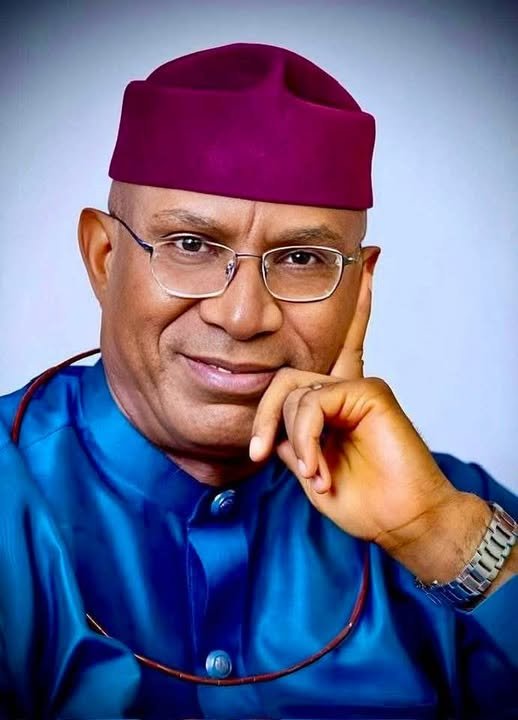
The Supreme Court’s decision upholding key provisions of the Electoral Act 2026 has renewed questions about politicians who lost party primaries before crossing to other parties in pursuit of tickets for the 2027 elections. Former Deputy Senate President Ovie Omo-Agege and former Delta Assembly Speaker Victor Ochei are among the figures whose moves to the Nigeria Democratic Congress (NDC) have brought the issue into focus.
Key Highlights
- Ovie Omo-Agege lost the APC Delta Central senatorial primary before moving to the NDC.
- Omo-Agege and Victor Ochei later received NDC waivers to seek senatorial tickets.
- Sections 77(5)-(7) restrict primary participation to members listed in party registers submitted to INEC.
- Section 84(2) provides for direct primaries or consensus as nomination methods.
- Other politicians, including Mohammed Abubakar Adamu, Shehu Buba and Abdulrahman Haske, also changed parties after primary contests.
- The Supreme Court restored the challenged provisions, but did not decide the individual candidacies discussed here.
Omo-Agege: From APC Defeat to NDC Ticket
Omo-Agege contested the APC Delta Central senatorial primary on May 18, 2026, against incumbent Senator Ede Dafinone. The APC declared Dafinone the winner with 116,252 votes against Omo-Agege’s 3,643. Omo-Agege rejected the result and initially declared himself the winner.

Days later, Omo-Agege resigned from the APC and joined the NDC, announcing that he would seek the Delta Central seat under the new platform. The NDC subsequently granted him a waiver to contest its senatorial ticket. The party also granted a waiver to Ochei, who moved from the APC and sought the Delta North ticket.
The sequence raises a question under the new law: how can a politician who has contested a primary in one party take part in another party’s nomination process if the second party has already submitted its membership register to INEC?
Why Section 77 Matters
Section 77 requires parties to submit membership registers to INEC ahead of primaries. Under subsections (5) and (6), only members listed in the submitted register are eligible to vote or be voted for in party primaries, congresses and conventions, and parties cannot use another register for those exercises.
This may create a difficulty for politicians who lose a primary in one party and move to another after its register has been submitted. There remains debate over how the rules apply when a party uses consensus rather than a fresh direct primary, and whether a waiver can resolve membership and nomination requirements.
Section 84 and the Supreme Court Ruling
Section 84(2) provides for candidate nomination through direct primaries or consensus. The Supreme Court on Thursday, September 24, 2026, set aside the Court of Appeal judgment that had voided Sections 77(5), 77(6), 77(7) and 84(2), restoring the Federal High Court decision in a challenge brought by the Zenith Labour Party.
The apex court did not rule specifically on Omo-Agege’s candidacy or on every politician who changed parties after a primary. Its decision means the statutory provisions remain in force; individual disputes may still turn on when a politician joined a party, whether their name appeared in its register submitted to INEC, which nomination method the party used, and whether a waiver complies with the law and party rules.
The Supreme Court ruling on the Electoral Act provisions restores the legal framework ahead of the 2027 elections.
Other Politicians Who Changed Parties After Primary Setbacks
Omo-Agege is not the only politician whose movement has raised questions about party registers and nomination rules.
Former Inspector-General of Police Mohammed Abubakar Adamu contested the APC governorship primary in Nasarawa State, then resigned and joined the Social Democratic Party (SDP). Senator Shehu Buba of Bauchi South lost the APC governorship ticket and subsequently joined the Peoples Redemption Party (PRP), according to reports. Senator Sama’ila Dahuwa of Bauchi North left the APC after failing to secure a second-term National Assembly ticket.
Read also:
- Omo-Agege Fires Back at Waive, Says Documents Expose Contradictions Over FMC Ovwian Bill
- Court Upholds Jerry Damara’s APC Gombe South Senatorial Primary Victory
- NDC Taraba Warns Members Against Anti-Party Activities Ahead Of 2027
- Alex Otti Explains Support for Tinubu, Says He Has Labour Party Candidate for 2027
In Adamawa, Abdulrahman Haske lost the APC governorship primary before resigning and securing the Allied Peoples Movement (APM) ticket for the 2027 governorship election. Aisha Yesufu joined the NDC from the African Democratic Congress (ADC), then lost the NDC FCT senatorial primary to Amanda Pam. Ken Pella, who had moved from the Labour Party to the NDC, lost the party’s governorship primary to Chris Iyovwaye and publicly congratulated the winner.
The Delta Angle
Omo-Agege’s case combines a major APC primary contest, a high-profile defection and an attempt to secure a ticket with a new party. Ochei’s move to the NDC and waiver adds another Delta example. The larger issue is whether a new party has complied with membership-register and nomination requirements before awarding a ticket to a recent arrival.
For each aspirant, relevant questions include when they joined the new party; whether their name was in the register submitted to INEC and when it was submitted; whether the party used a direct primary or consensus; and whether another aspirant or party member challenges the nomination in court.
The next legal test may therefore arise from an individual nomination dispute. The Supreme Court’s ruling restored the statutory framework, while leaving case-specific questions about party membership, waivers and nomination procedures to be assessed on their facts.
For more updates on this and other developing political stories, follow us on X.

