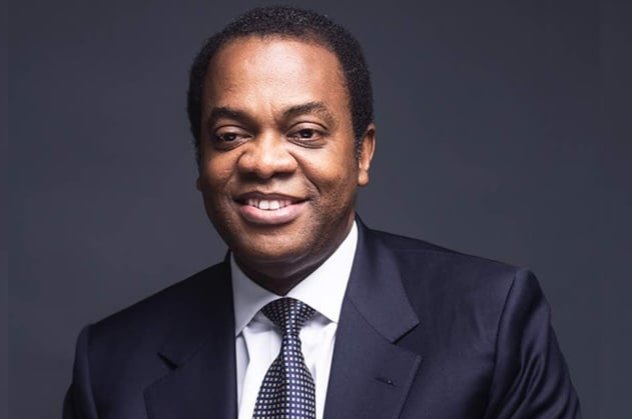
Former Cross River State Governor and 2027 presidential candidate of the Peoples Redemption Party (PRP), Donald Duke, has sparked controversy with a proposal to radically change Nigeria’s secondary school system and restrict young Nigerians from studying abroad.
Key Highlights:
- Donald Duke proposed skills-based education for SS1–SS3, focusing on practical trades.
- He wants children under 18 barred from studying abroad until university level.
- Duke said early overseas education can cause cultural disconnection.
- He wants Nigeria’s curriculum to focus more on technology and emerging fields.
- The proposal has sparked debate over parental choice and education reform.
Duke argued that students in Senior Secondary School 1 to 3 (SS1–SS3) should focus primarily on acquiring practical and vocational skills rather than preparing solely for university education.

Speaking on the Naija Unfiltered Podcast, the former governor said Nigerian students should leave secondary school with skills capable of helping them earn a living, whether or not they eventually proceed to university.
“For me, SS1 to SS3 should be purely skills acquisition,” Duke said, suggesting that students should be encouraged to pursue practical areas such as masonry, plumbing and other trades based on their interests and abilities.
However, it was his proposal concerning Nigerians who want to send their children abroad for education that has generated even stronger reactions.
Duke said he would ensure that Nigerian children below the age of 18 are not granted visas to study abroad, arguing that students should remain in Nigeria until university level.
“I’ll ensure that no child is given a visa for education outside Nigeria except it’s from university level up,” he said.
According to the PRP presidential candidate, sending children abroad at very young ages could disconnect them from Nigerian culture and make it difficult for them to fully integrate into either Nigerian or foreign society.
“When you start sending kids at the age of nine abroad, you’re deculturalizing,” Duke said. “They end up going there, they are neither citizens there, they’ll never be accepted there, and they can’t fit in here.”
Read also:
- Stop Using Atiku As Election-Year Scapegoat Every 4 Years, Timi Frank Replies Obasanjo
- 2027 Election: Oborevwori Urges Delta Religious Leaders to Support Tinubu’s Re-Election Bid
- Tinubu Joins US Request for 10-Day Extension in Legal Battle Over Drug Investigation Records
His proposal is likely to trigger a fresh debate among Nigerian parents, particularly wealthy families who send their children abroad from primary or secondary school.
While Duke believes the policy could encourage affluent Nigerians to invest their money in local schools and strengthen Nigeria’s education sector, critics may argue that parents should have the freedom to decide where and how their children are educated.
Duke also called for Nigeria’s education curriculum to become more globally relevant, with greater emphasis on information technology, cybernetics and other emerging fields.
He maintained that keeping students in Nigeria through secondary school could help retain educational spending within the country, create employment opportunities and encourage investment in local education.
The proposals have placed Duke’s vision for Nigeria’s education system at the centre of debate, with questions likely to emerge over whether government should regulate where parents educate their children or instead focus on making Nigerian schools competitive enough to keep students at home.