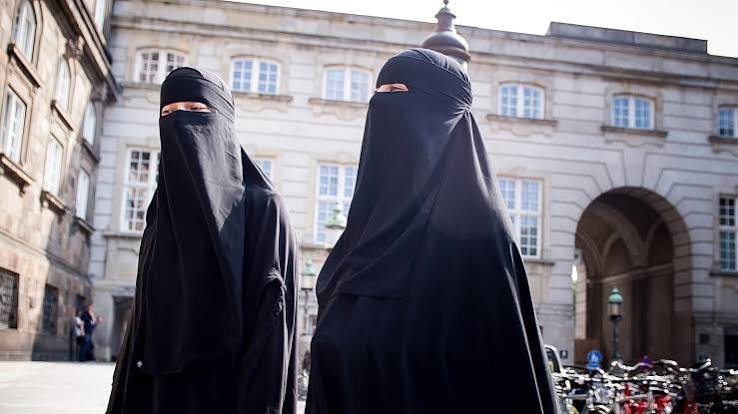
Portugal has approved legislation restricting the wearing of full-face coverings in public spaces, with offenders facing fines of up to €3,000 under a law that has drawn criticism from rights groups over its potential impact on Muslim women who wear the burka or niqab.

Key Highlights:
- Portugal has approved a ban on full-face coverings in public spaces.
- Offenders could face fines ranging from €150 to €3,000.
- Exemptions apply for medical, professional, artistic and weather-related reasons.
- Full-face coverings remain permitted in places of worship, diplomatic missions and aircraft.
- Critics say the law could affect Muslim women and raise religious-freedom concerns.
- Portugal joins several European countries with restrictions on full-face coverings.
Under the new legislation, commonly referred to as Portugal’s “burka law”, people who cover their faces in public without an approved exemption could be fined between €150 and €3,000.
The law provides exemptions for certain circumstances, including medical, professional, artistic and weather-related reasons. Full-face coverings are also permitted in places of worship, diplomatic missions and on aircraft.
Read Also:
- Airforce Assesses C-130H Aircraft Maintenance in Portugal, Reaffirms Commitment To Safety
- Europe’s Tech Job Boom: Luxembourg, Portugal Lead As AI Reshapes Employment Across Europe
- Ronaldo Makes World Cup History As Portugal Hammer Uzbekistan 5-0
The legislation further makes it an offence to force another person to cover their face on grounds related to gender, religion, age or origin.
Portugal Defends Full-Face Covering Ban
Portuguese President António José Seguro has defended the legislation, arguing that the human face plays an important role in identity and communication.
According to Seguro, the ability to see one another’s faces contributes to social trust and interaction.
Portugal’s parliament approved the legislation in July following a proposal by the right-wing Chega party, with backing from the centre-right Social Democratic Party.
The measure received support from right-wing and far-right lawmakers, while left-wing parties opposed it over concerns about religious freedom and its potential impact on minority communities.
Critics Raise Religious Freedom Concerns
Legal groups and other critics have questioned the constitutionality of the legislation, warning that the restrictions could disproportionately affect Muslim women who wear the burka or niqab for religious reasons.
Critics have also raised concerns that the law could contribute to Islamophobia and further stigmatise Muslim communities in Portugal.
The legislation places Portugal among European countries that have introduced restrictions on full-face coverings in public spaces, including France, Belgium, Austria and Denmark.
The debate is expected to continue as authorities begin implementing the new restrictions and affected groups consider the legal and social implications of the measure.