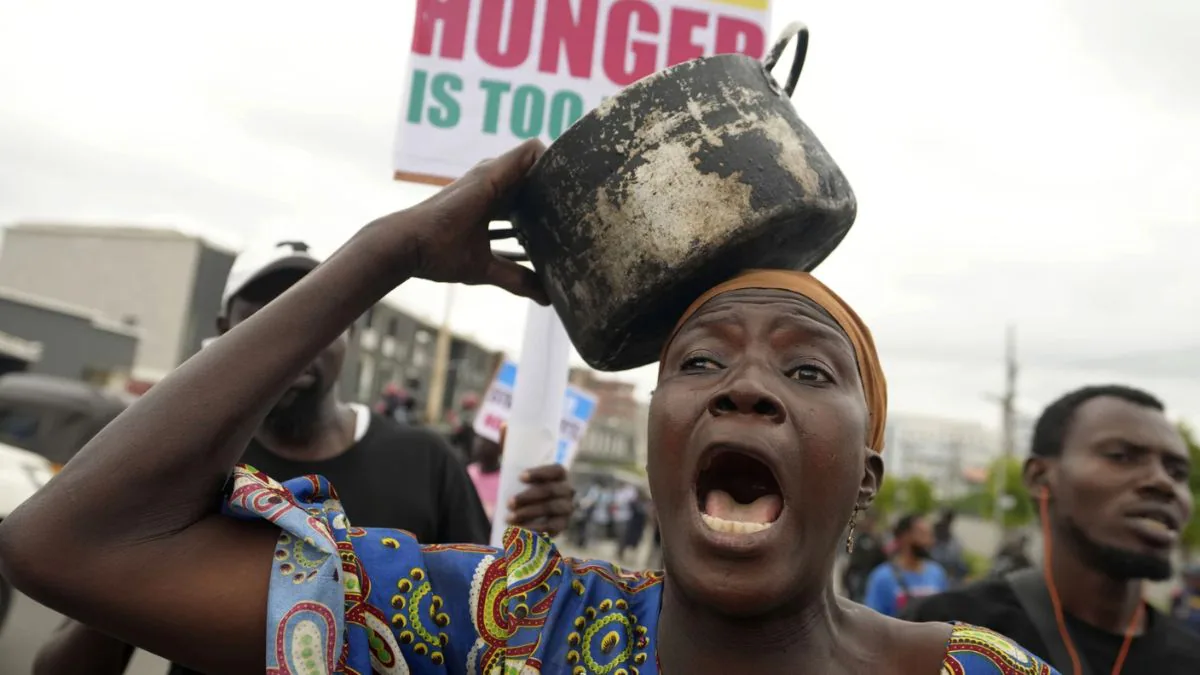
Africa has overtaken Asia as the continent with the largest number of people experiencing hunger, according to a new report jointly released by the Food and Agriculture Organization (FAO) and four other United Nations agencies.
The report estimates that 309 million people in Africa faced hunger in 2025, representing 20 percent of the continent’s population.

In comparison, 292 million people in Asia were affected, accounting for about six percent of its population.
The findings mark a significant shift in the global hunger landscape, despite an overall decline in the number of undernourished people worldwide.
The report also found that Africa has the highest proportion of people unable to afford a healthy diet, with approximately 66.6 percent of the population lacking access to nutritious food—more than double the rate recorded in Asia.
David Laborde, Director of the FAO’s Agrifood Economics Division, attributed Asia’s progress to sustained investments and policy interventions by countries such as China and India.
He noted that while China has largely overcome its hunger challenges and India continues to make significant progress, Africa has become the new global epicentre of food insecurity.
Globally, the proportion of people facing hunger declined from 8.6 percent in 2022 to 7.8 percent in 2025, reducing the number of undernourished people by about 43 million to 645 million.
Read Also:
- Rescued Oyo Pupils, Teachers Thank Tinubu, Security Operatives For Safe Return
- Soldiers Earn N100,000: Defence Minister Christopher Musa Reveals Salary Increase, Calls For Tougher Security Measures
- Northern Governors, Emirs Demand Urgent Action on Security, Back State Police, Regional Strategy
However, the report stressed that global hunger levels remain higher than they were before the COVID-19 pandemic.
Although hunger has increased steadily across Africa since 2017, the UN agencies said preliminary data for 2025 suggests there are early signs of improvement.
The report urged African governments to accelerate reforms in food systems, particularly in the production of animal-source foods, which remain among the most expensive food groups across the continent.
It also identified armed conflicts and climate-related disasters as major drivers of worsening food insecurity, citing ongoing crises in countries such as Sudan and the Democratic Republic of Congo, where violence has displaced communities and disrupted agricultural production.
The UN has previously warned that around 20 million people in Sudan are facing acute food insecurity due to the prolonged conflict, while continuing instability in the Middle East could further increase the number of people at risk of hunger.