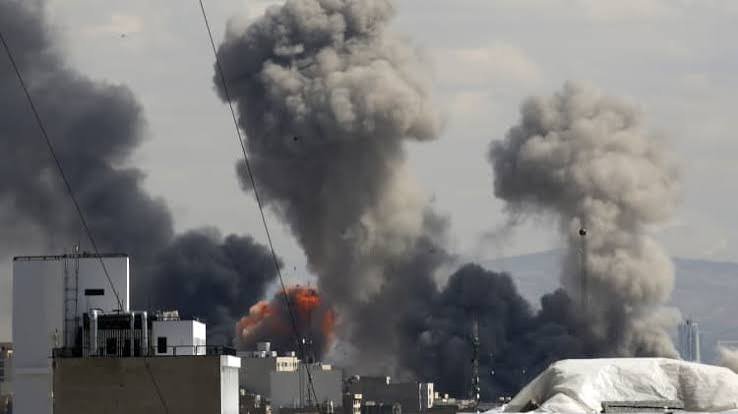
U.S. President Donald Trump has ordered a large-scale military offensive against Iran, declaring that the United States would “open the gates of hell” following an Iranian attack in Jordan that reportedly killed American service members.
Key Highlights
- President Donald Trump ordered a large-scale U.S. military offensive against Iran following a reported Iranian attack in Jordan that allegedly killed American service members.
- The U.S. military, through CENTCOM, conducted multiple nights of coordinated airstrikes targeting Iranian military installations, energy facilities, and critical infrastructure.
- The Trump administration said the campaign is intended to significantly degrade Iran’s military capabilities and deter future attacks on U.S. personnel and allies.
- Iran reportedly launched retaliatory attacks on civilian and military infrastructure in Bahrain and Kuwait after U.S. and Israeli strikes, further escalating regional tensions.
- The conflict has heightened concerns over stability in the Middle East, the security of the Strait of Hormuz, global energy supplies, and the potential for a wider regional war, prompting renewed international calls for diplomacy.
The directive triggered a major wave of airstrikes by the U.S. military, significantly escalating tensions across the Middle East.

Read also:
- Trump Hands Spain World Cup Trophy After Extra-Time Win Over Argentina
- R. Kelly Officially Writes Trump, Seek Clemency To Reduce 30-Year Prison Sentence
- US Birthright Citizenship: Trump Administration Weighs Travel Restrictions On Pregnant Women After Supreme Court Ruling
- Trump Seeks Financial Compensation For Protecting Strait Of Hormuz
According to U.S. Central Command (CENTCOM), the operation involved multiple nights of coordinated strikes targeting Iranian military installations, energy facilities and critical infrastructure.
The Trump administration said the campaign is aimed at severely degrading Iran’s military capabilities and deterring further attacks on U.S. personnel and allies.
The latest escalation has intensified the regional conflict, with Iran reportedly launching retaliatory attacks on both civilian and military infrastructure in Gulf countries, including Bahrain and Kuwait, following U.S. and Israeli strikes.
The renewed hostilities come after the collapse of an interim ceasefire and weeks of mounting tensions surrounding the Strait of Hormuz.
President Trump had earlier issued an ultimatum demanding that Iran reopen the strategic waterway and comply with U.S. conditions, warning of severe consequences if Tehran failed to do so.
The widening conflict has raised fresh concerns over regional stability, global energy supplies and the possibility of a broader military confrontation involving additional countries in the Middle East.
World leaders have continued to call for restraint and a return to diplomatic engagement to prevent the crisis from escalating further.