The administration of President Donald Trump is considering new immigration restrictions that could bar some pregnant women from entering the United States as part of renewed efforts to address US Birthright citizenship and curb what it describes as “birth tourism.”

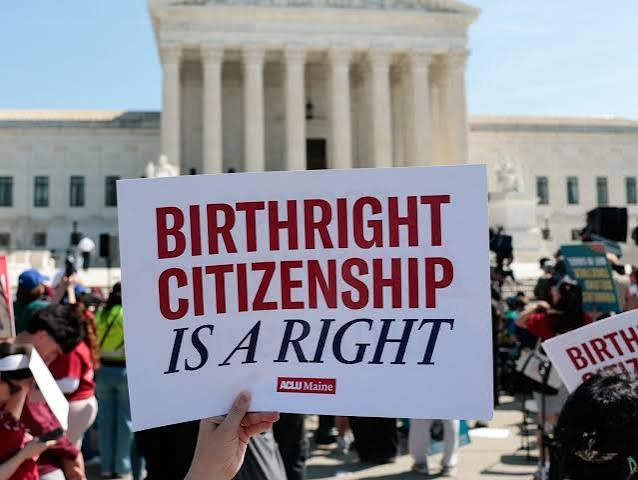
The proposal comes after the US Supreme Court rejected the administration’s attempt to end birthright citizenship, reaffirming the constitutional principle that grants automatic American citizenship to children born on U.S. soil.
Key Highlights
Trump administration considers restricting entry for pregnant foreign women.
Proposal follows Supreme Court decision upholding US Birthright citizenship.
White House says move is aimed at tackling “birth tourism.”
Stephen Miller says the administration will review temporary entry rules.
Supreme Court rules that ending birthright citizenship would violate the 14th Amendment.
Legal experts say birth tourism accounts for only a small percentage of U.S. births.
The proposed measure is the latest effort by the Trump administration to tighten immigration policies and discourage what officials describe as the exploitation of America’s citizenship laws through birth tourism, where foreign nationals travel to the United States to give birth so their children automatically become U.S. citizens.
Although the practice exists, immigration experts have maintained that birth tourism represents only a small fraction of births in the United States.
The administration has consistently argued that US Birthright citizenship, as currently applied, encourages illegal immigration and provides benefits to individuals who violate immigration laws.
Senior White House adviser Stephen Miller said the administration would take “a hard look” at preventing heavily pregnant foreign nationals from entering the country on temporary visas.
According to Miller, immigration authorities must carefully assess temporary visitors because of the possibility that some may be travelling primarily to secure U.S. citizenship for their unborn children.
He argued that a child born on American soil automatically becomes a U.S. citizen for life, creating what he described as long-term access to government benefits and future immigration pathways for family members.
Read also:
- UK To Require Some Asylum Seekers Repay £10,000 Before Permanent Settlement
- Knicks end 53-year wait, clinch historic NBA championship
- Schools In UK Shut As Record Heatwave Triggers Red Weather Warning
- PRP Presidential Aspirant Rejects Chairman’s Call For Tinubu’s Resignation
Miller’s comments followed the Supreme Court’s rejection of President Donald Trump’s executive order signed on his first day back in office, which sought to deny automatic citizenship to children born in the United States to parents who were in the country illegally or temporarily.
In a 6-3 ruling, the Supreme Court held that ending automatic citizenship for children born in the United States would violate the 14th Amendment to the U.S. Constitution, reaffirming a long-standing constitutional interpretation that has remained in place for more than a century.
The ruling represents a significant legal setback for the administration’s immigration agenda and underscores the constitutional protections surrounding US Birthright citizenship, while leaving open the possibility of further policy measures aimed at limiting birth tourism through visa and border enforcement rather than constitutional changes.